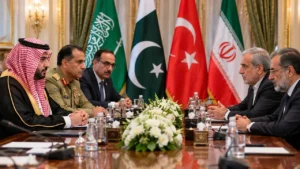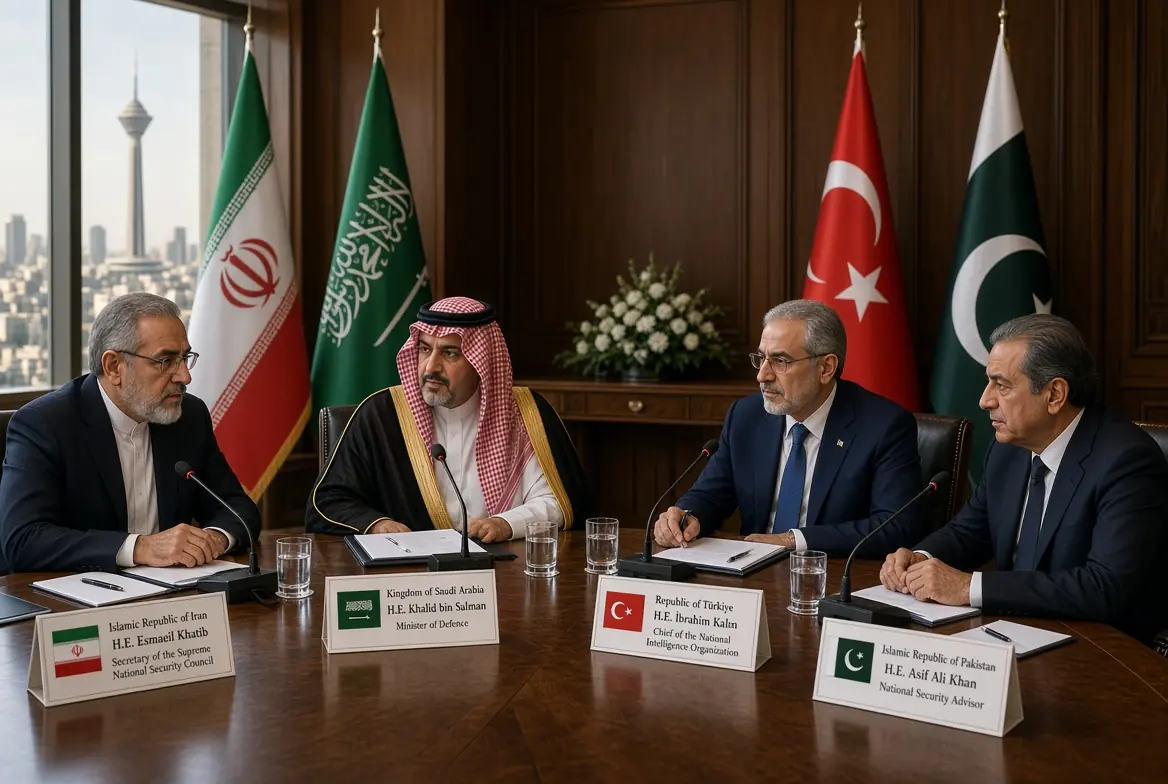

Senior officials from Pakistan, Saudi Arabia and Turkiye are set to hold important security talks in Tehran today. The four-party meeting aims to strengthen coordination on regional stability and could mark a meaningful move toward lasting peace in the area.
According to Iranian official Ali Bagheri Kani, deputy secretary of Iran’s Supreme National Security Council, the discussions will take place with Iran’s security chief Mohsen Rezaei. Saudi Defence Minister Khalid bin Salman and Turkish intelligence chief Ibrahim Kalin are expected to join the talks. Kani described the gathering as a potentially effective step that could help build lasting regional security and contribute to a more stable environment.
Reuters, citing people familiar with the matter, confirmed that senior representatives from Islamabad, Riyadh and Ankara will meet Iranian counterparts in Tehran on Monday to discuss regional coordination.
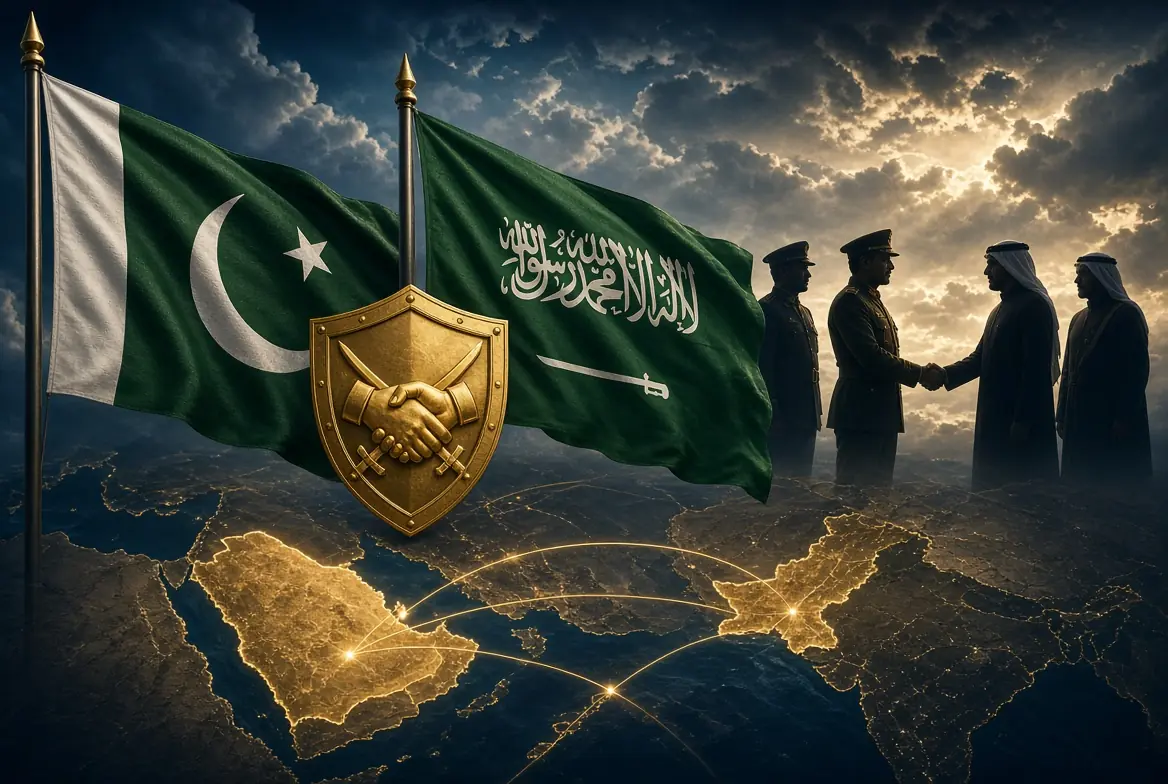
The three countries already share a trilateral defence arrangement known as the Makkah Joint Defence Agreement. Signed in August, the pact treats an armed attack on any one member as an attack on all three. Its first article states that the parties shall use all necessary means to eliminate threats to one another’s territorial integrity, sovereignty or internationally recognised borders.
The agreement emerged amid ongoing regional tensions that began earlier this year. In February, the United States and Israel carried out surprise strikes on Iran during nuclear talks. An April ceasefire, brokered by Pakistan, ended the first phase of intense fighting. However, both sides have continued competing for influence over the Strait of Hormuz, a vital waterway that once carried around a fifth of the world’s oil and liquefied natural gas.
Iran has claimed control of the strait and has targeted vessels attempting passage without its approval. The United States has responded with a naval counter-blockade on Iranian ports. Diplomatic efforts with Washington remain stalled after a June deal aimed at a permanent settlement collapsed.
The conflict has also spread, drawing in fighting between Saudi Arabia and the Houthis in Yemen. Against this backdrop, today’s meeting in Tehran brings together key players linked by the Makkah pact. Officials hope the talks will open channels for better coordination and reduce the risk of further escalation across the region.
The discussions reflect a shared interest in managing security challenges through dialogue rather than confrontation. While details of the agenda remain limited, the presence of high-level defence and intelligence figures signals the seriousness of the effort.