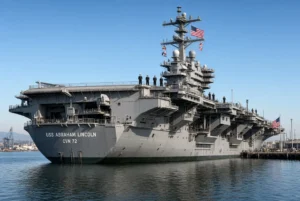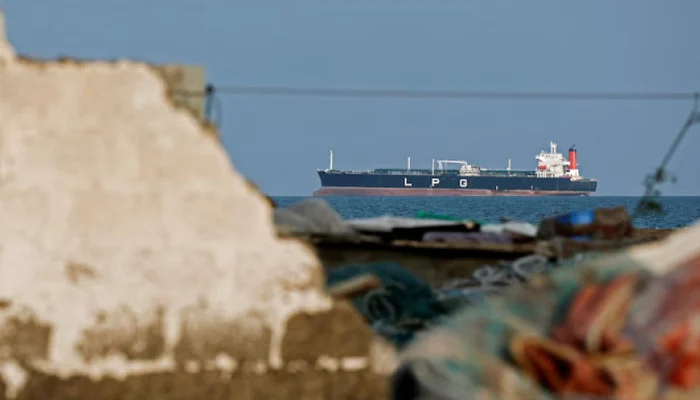

Tensions between the United States and Iran have reached a critical point as President Donald Trump announced the launch of “Project Freedom.” This new maritime operation aims to escort commercial vessels and their crews safely out of the Strait of Hormuz, which remains under a strategic blockade by Iranian forces. Trump characterized the move as a humanitarian gesture to assist stranded ships that are reportedly running low on essential supplies like food.
In response, Tehran has issued a stern warning, stating that any American interference in the strait will be viewed as a direct violation of the ceasefire that began on April 8. While the United States has deployed guided-missile destroyers and 15,000 service members for this effort, Iranian military advisers have countered with bellicose rhetoric, threatening to sink US warships if the operation proceeds. Currently, over 900 commercial vessels are caught in the region, causing global oil prices to surge nearly 50% above pre-conflict levels.
Despite the military buildup, there are signs of back-channel diplomacy. Iran has reportedly proposed a 14-point plan to end the conflict and has set a one-month deadline for negotiations to reopen the waterway. While Trump mentioned “very positive discussions” are taking place, the US Treasury continues to enforce a strict economic embargo aimed at suffocating the Iranian regime’s financial capabilities. International allies, including Germany, have urged for a negotiated solution, emphasizing that the reopening of this global trade route is vital for the stability of the world economy.