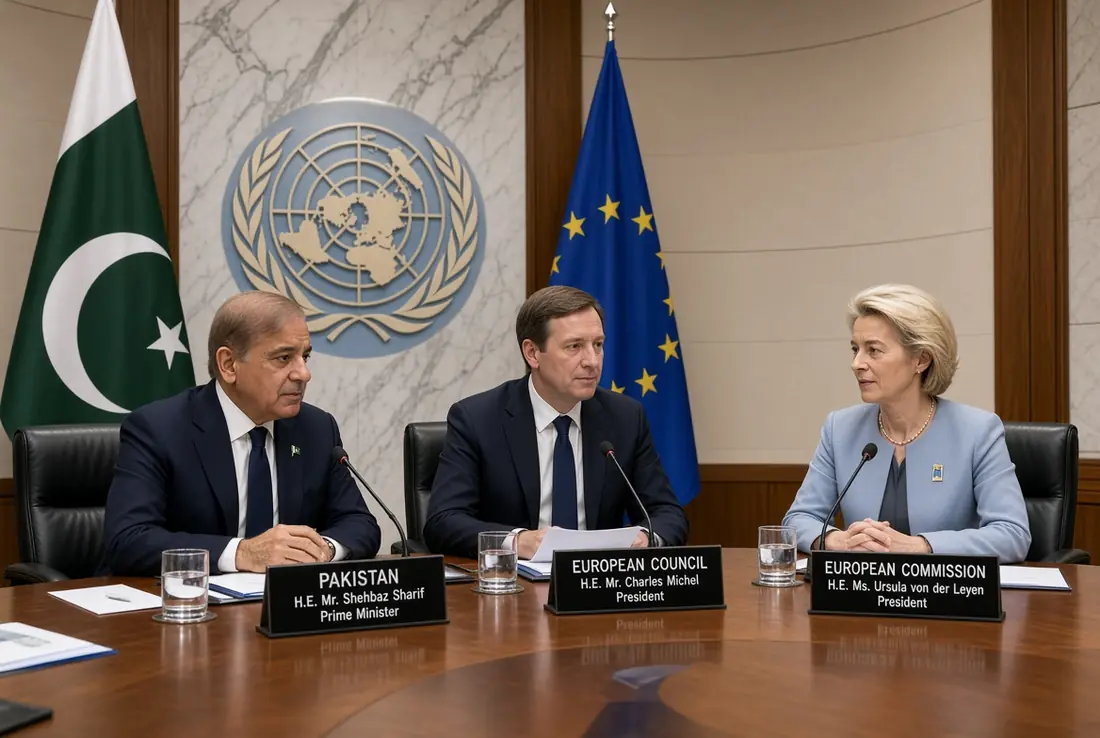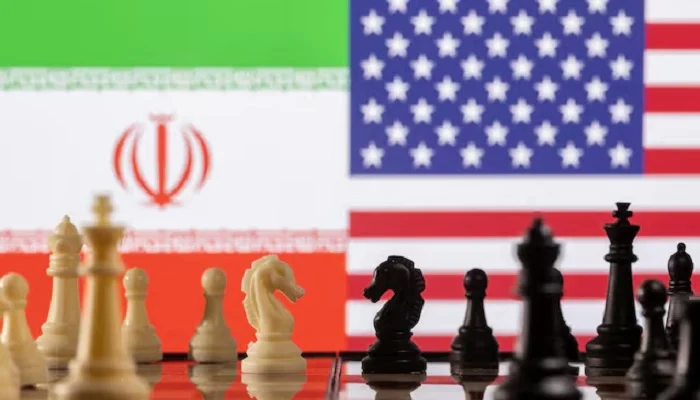

Tehran is currently reviewing a response from the United States regarding its latest 14-point peace proposal, which was delivered through Pakistani diplomatic channels. While Iranian state media confirmed the receipt of the message, President Donald Trump has expressed skepticism, suggesting on social media that he is likely to reject the offer. Trump argued that Iran has “not yet paid a big enough price” for its historical actions, though he noted he has yet to review the final, exact wording of the plan.
A central sticking point remains the sequencing of negotiations. Iran’s proposal suggests deferring nuclear talks until after the current conflict ends and maritime blockades are lifted. This “significant shift” aims to resolve the Strait of Hormuz standoff first to create a better atmosphere for the more complex nuclear issue. However, this directly conflicts with Washington’s demand for immediate and stringent restrictions on Iran’s highly enriched uranium stockpile.
The urgency to resolve the conflict is heightened by several factors:
Energy Crisis: The blockade of the Strait of Hormuz has choked off 20% of global oil and gas supplies, leading to a surge in US gasoline prices.
Political Pressure: Trump faces potential voter backlash in the upcoming November midterm elections due to these rising costs.
Regional Escalation: Despite a four-week suspension of bombing, tensions are rising in Lebanon, where Israel recently ordered evacuations in the south following reported ceasefire violations.
Iran maintains that negotiations cannot fully resume without a stable ceasefire in Lebanon. Meanwhile, the US and Israel have kept their bombing campaigns suspended for the last month as they weigh the possibility of a lasting resolution versus a return to military strikes.