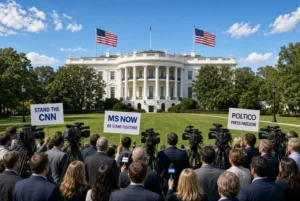

A new Israel Lebanon ceasefire agreement has renewed hopes for a broader diplomatic breakthrough that could help end the ongoing conflict involving Iran, Israel, and the United States. The agreement, announced by the US administration, is seen as an important step toward reducing tensions across the Middle East after months of military confrontations.
According to a joint statement, both Israel and Lebanon have agreed to implement measures aimed at ending hostilities and improving security along their shared border. The plan includes the establishment of pilot security zones where the Lebanese Armed Forces will assume full control, preventing the presence of armed non state groups in those areas. The agreement also calls for further direct negotiations to address unresolved political and security concerns.
The ceasefire carries broader significance because Iran had previously linked progress in negotiations with the United States to an end to fighting between Israel and Lebanon. As a result, the latest development has increased expectations that talks regarding the wider regional conflict could move forward in the coming weeks.
Despite the positive diplomatic signals, tensions remain high across the region. Recent attacks in Kuwait, disputes over military actions near the Strait of Hormuz, and continued accusations between Iran and the United States have highlighted the fragile nature of the current situation. The strategic waterway remains a major concern for global energy markets, with disruptions affecting oil prices and international shipping routes.
Both sides are expected to resume political and security discussions during the week of June 22 in an effort to reach a more comprehensive agreement. International observers view these talks as a critical opportunity to prevent further escalation and create conditions for lasting stability.
While challenges remain, the Israel Lebanon ceasefire represents one of the most significant diplomatic developments in recent months. If successful, it could pave the way for broader negotiations involving Iran and the United States, potentially easing one of the most serious geopolitical crises currently affecting the Middle East and global markets.