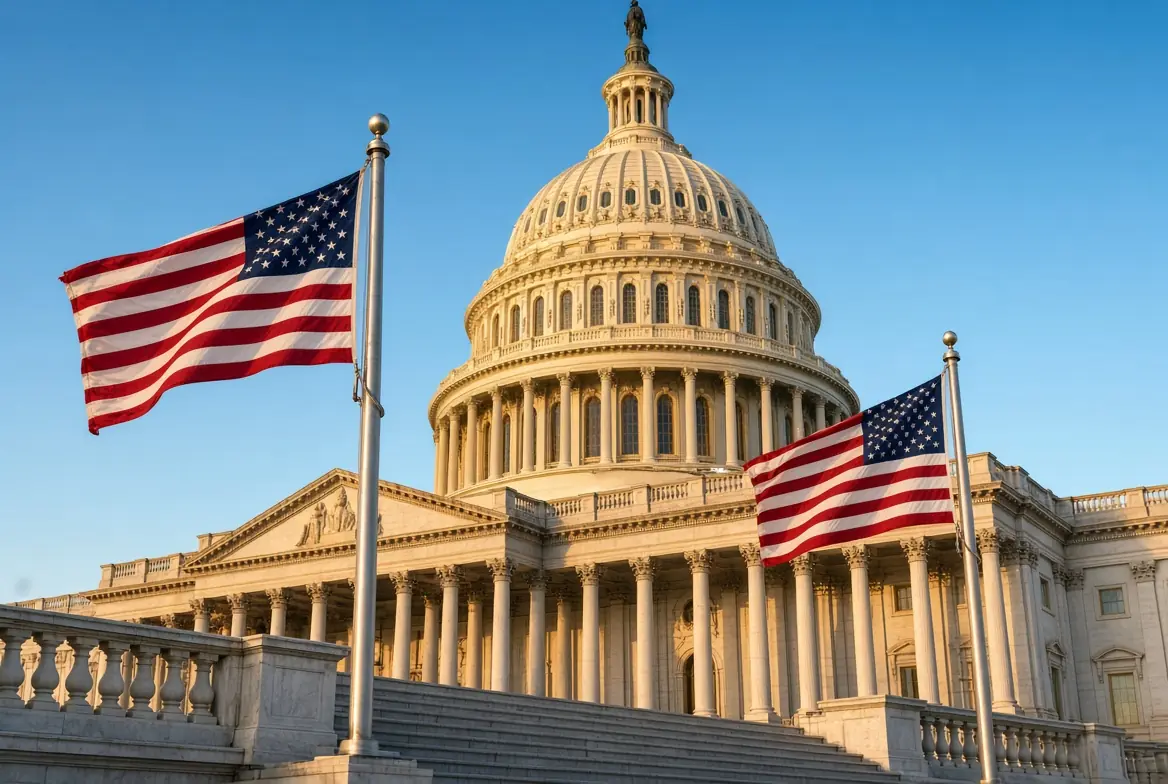

The US House of Representatives has passed a new measure aimed at stopping universities from boycotting Israel while still receiving federal support. On Thursday the Republican-majority chamber approved the Protect Economic and Academic Freedom Act by a vote of 237 to 169. The bill now moves to the Senate, where its future remains uncertain.
This legislation would block federal student aid and certain other funds for any college or university that takes part in a commercial boycott of Israel. Sponsors stress that the rule targets only non-expressive commercial actions, not classroom debate or peaceful protest. Institutions would also need to certify that students face no unreasonable barriers to academic programs in Israel and that Israeli scholars can take part in US programs on equal terms.
The vote largely followed party lines. Just two Republicans opposed the measure while 33 Democrats crossed the aisle to support it. Representative Josh Gottheimer, a New Jersey Democrat and one of the bill’s lead sponsors, told colleagues the proposal is simple and fair. He said any university that accepts taxpayer dollars should not single out one country for discrimination in partnerships or investments.
The measure comes amid ongoing campus tensions linked to the war in Gaza. Israeli military operations have caused heavy loss of life and widespread destruction in the Palestinian territory. Protests and calls for boycotts have spread across many American campuses. Supporters of the bill argue that some of those actions cross into antisemitism and unfairly isolate the Jewish state. Critics, including Representative Jerrold Nadler of New York, say they oppose the global Boycott, Divestment and Sanctions movement yet still reject the bill. Nadler warned that limiting institutional choices risks chilling free expression for everyone.
The BDS campaign seeks to pressure Israel over its treatment of Palestinians through economic and cultural isolation. Bill sponsors insist their legislation does not ban academic speech or genuine scholarly disagreement. Instead it aims to keep federal money from supporting institutions that deliberately shut out Israel while accepting public funds.
If the Senate also approves the bill and it becomes law, universities would face a clear choice: end commercial boycotts of Israel or risk losing important streams of federal support. The outcome will shape how American higher education handles partnerships with Israel in the years ahead and could influence broader debates about campus politics, free speech, and foreign policy.