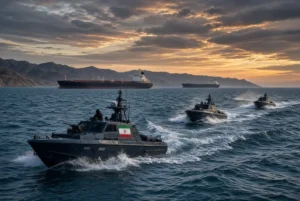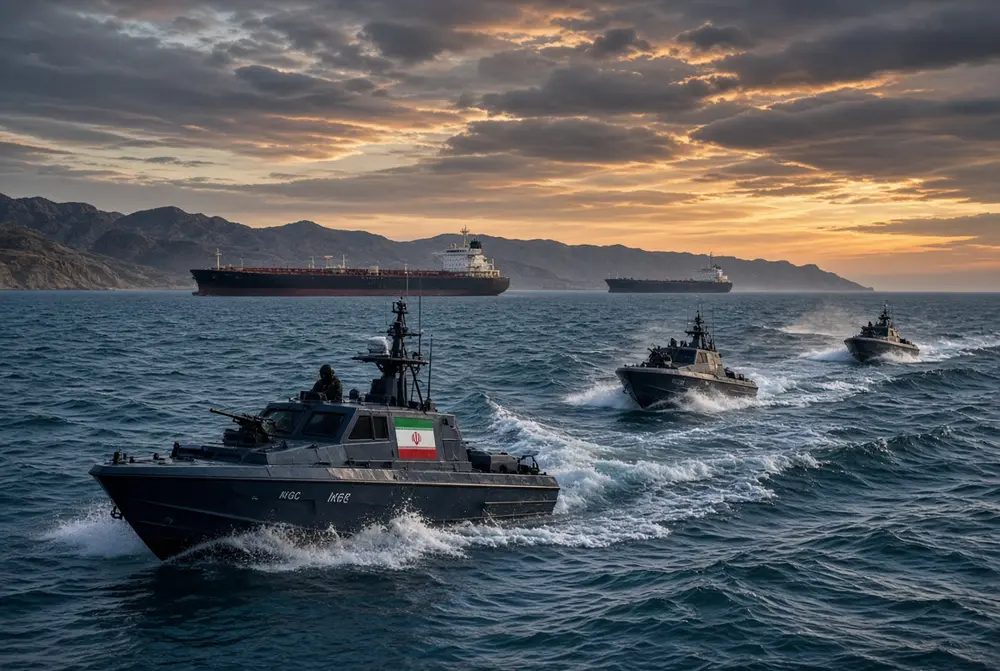

Iran is stepping up its campaign against commercial vessels near the Strait of Hormuz in a calculated move to keep global oil prices elevated ahead of the US midterm elections. Two senior Iranian officials revealed that new naval tactics began roughly ten days ago, involving both different methods and a faster pace of attacks on ships that ignore Tehran’s restrictions.
Since the US and Israel struck Iranian targets on February 28, Tehran has worked hard to control the vital waterway that once carried about one fifth of the world’s oil and LNG. Threats and assaults have already cut traffic sharply and pushed prices higher, although some tankers still get through. Officials say the latest changes were ordered at the highest levels of Iran’s leadership and coordinated across the ruling system. One described the effort as a game of chess, aimed at frustrating American and allied attempts to lower energy costs before voters go to the polls in November.
A US military source confirmed one key shift. After American strikes damaged much of Iran’s radar network, the Islamic Revolutionary Guard Corps began using unarmed spotters in small boats to locate targets, including US Navy ships. In one recent incident, American forces confronted a dhow carrying Iranian spotters, ordered the crew to abandon ship, and destroyed the vessel without casualties. Despite these efforts, Iran has struggled to stop the recent rise in oil exports through the strait because its remaining fast boats are at risk.
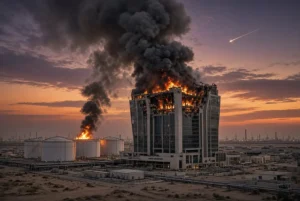
Attacks have already intensified. Maritime security data shows at least five incidents involving tankers and other commercial ships in the past 48 hours around the Hormuz area, matching the elevated rate seen earlier this month. Tehran plans to widen the danger zone beyond the strait itself into the Gulf of Oman and waters off Qatar and the United Arab Emirates. Officials insist no vessel that breaks their rules will be safe, and one claimed a complete closure of the strait is coming soon.
The ongoing war, which costs the United States around three billion dollars each month, has become a major campaign issue. President Trump has ruled out further strikes before the vote while continuing a naval blockade of Iranian ports and tighter sanctions. Energy markets remain highly sensitive to every new attack, with shipping and insurance costs still high. Both sides are locked in a tense contest where oil prices and political timing matter as much as military moves.