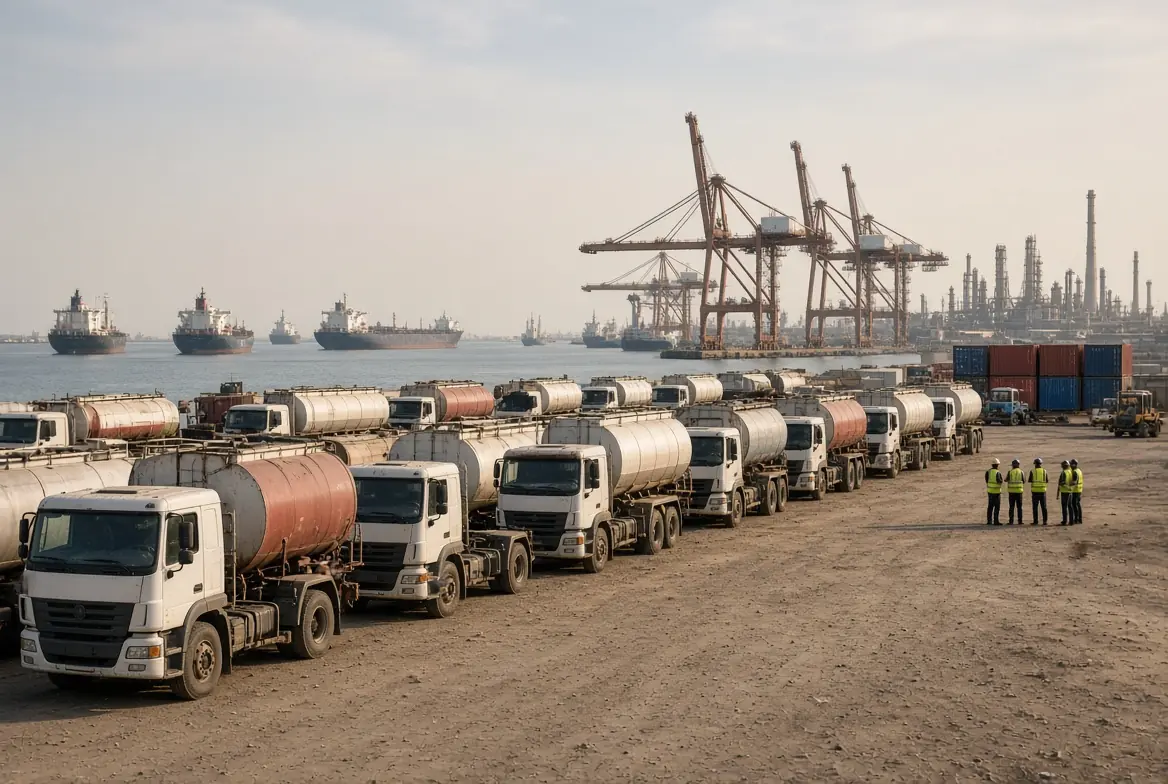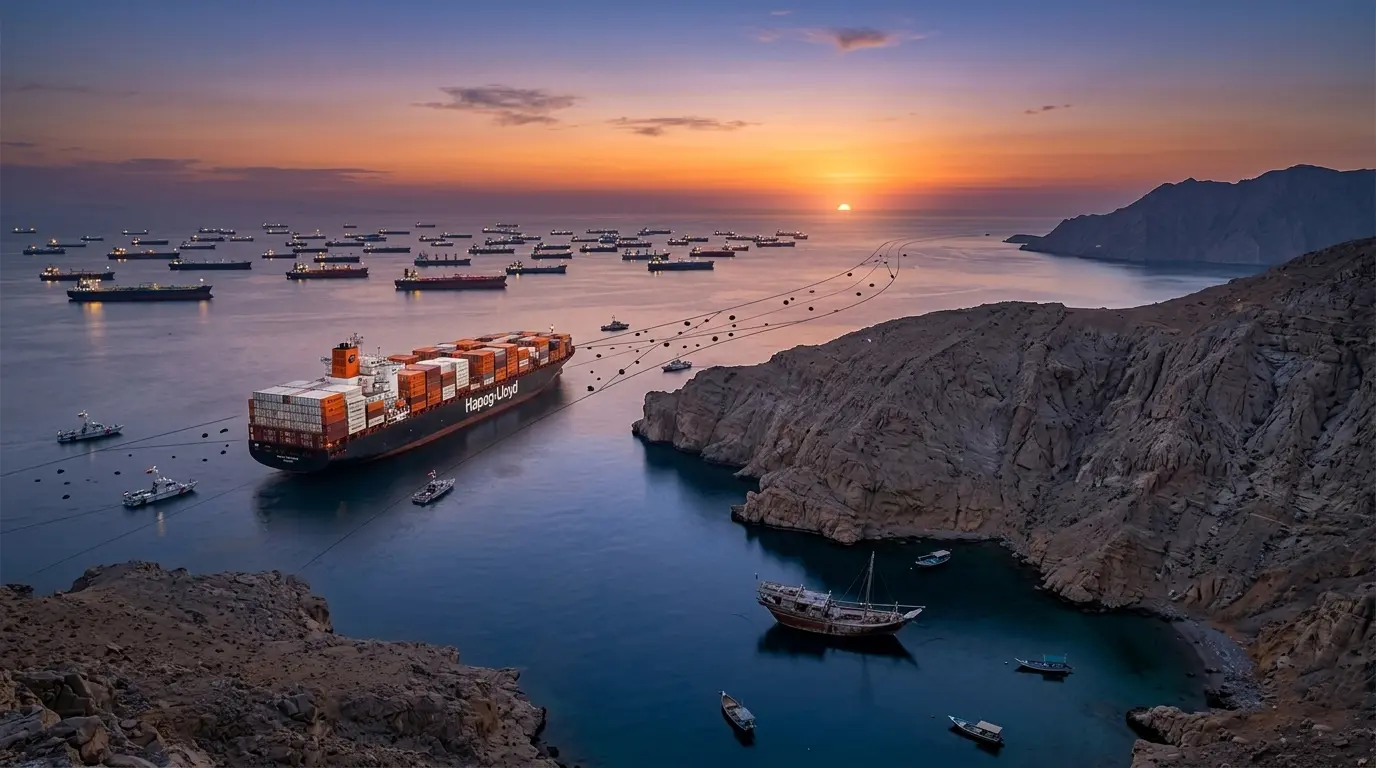

The announcement of the Strait of Hormuz reopening has sent waves through the global shipping industry, but the response remains colored by extreme caution. After nearly seven weeks of closure due to the Iran war, hundreds of commercial vessels—including approximately 360 oil and gas carriers—remain trapped inside the Gulf. While the news is a potential breakthrough, industry giants like Hapag-Lloyd warn that without clear logistics and “clear orders,” the sudden movement of over a thousand ships could result in total maritime chaos.
The primary concern for captains and shipping associations like Bimco is the lingering threat of sea mines. Despite claims from political leaders that the waterway is “fully open,” security experts argue that the maritime traffic separation schemes have not been verified as safe. The International Chamber of Shipping has echoed this sentiment, noting that while the ceasefire offers a “measure of reassurance,” the practical reality of navigating one of the world’s most critical corridors remains fraught with uncertainty.
Before the conflict, the strait saw an average of 120 daily crossings. Now, with a backlog of roughly 770 commodity vessels sending transponder signals from within the Gulf, the supply chain recovery will be slow. Shippers are demanding specific details on transit orders and safety protocols before they risk their seafarers and billion-dollar cargoes in the narrow passage. For the global economy, the freedom of navigation in this region is essential, but for the ship owners, the fear of unexploded ordnance and naval instability outweighs the urge for a hasty exit.