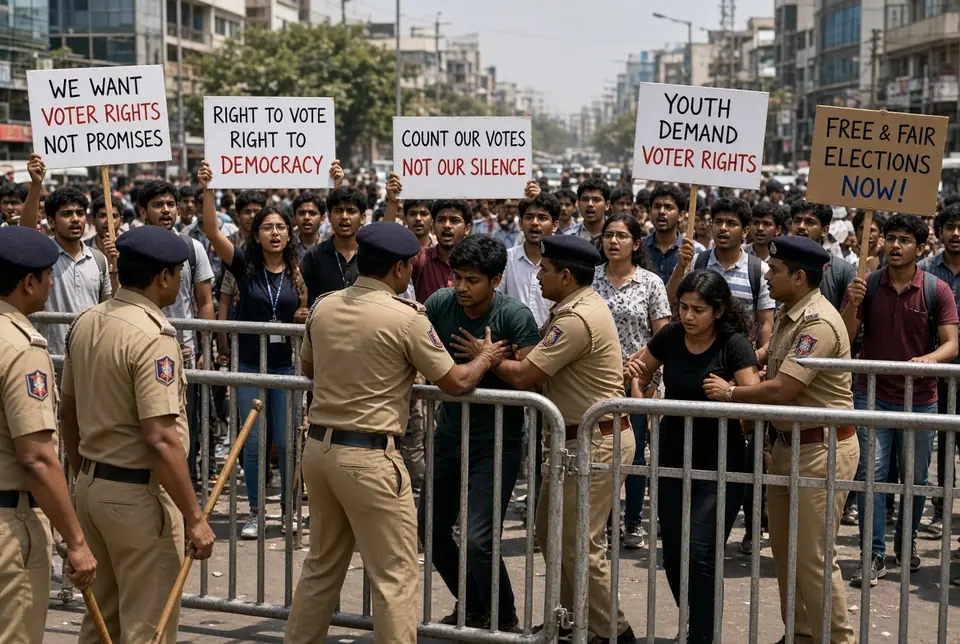

A group of UN experts has strongly urged Indian authorities to stop using excessive force against protesters and to allow an independent investigation into recent police actions. The experts said many demonstrators suffered injuries and some reported ill-treatment during crackdowns this month.
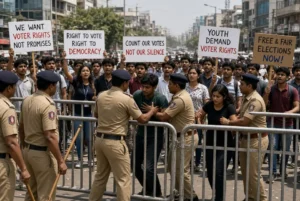
Opposition parties and student groups have been holding protests across India demanding the resignation of Chief Election Commissioner Gyanesh Kumar. They are angry over a major revision of voter lists that they claim removed around 130 million names. According to the protesters, this process has left many eligible voters unable to cast their ballot, especially poorer people, the homeless, and ethnic minorities including Muslims.
The UN experts noted that the gatherings were largely peaceful. Still, police used lathi charges against unarmed students and blocked thousands of people from joining the demonstrations. In their statement, the two dozen experts called on authorities to immediately end the use of excessive force, lift blanket bans on assemblies, and stop misusing digital surveillance tools such as biometrics and internet disruptions.
India has rejected similar criticism in the past, describing it as interference in its internal matters. The Indian embassy in Washington did not respond right away to requests for comment on the latest statement. The Election Commission has defended the revision, saying it only removed duplicate, deceased, or shifted voters and that anyone wrongly excluded can appeal.
Human rights organisations including Amnesty International and Human Rights Watch have also condemned the way the protests were handled. Protesting groups insist the large-scale deletion of names disproportionately harms communities that are less likely to support the ruling Bharatiya Janata Party. The BJP and the Election Commission strongly deny any political bias.
The experts, who are appointed by the UN Human Rights Council but work independently, stressed the need for a transparent probe into the conduct of law enforcement. Their call highlights growing international concern over how India is managing public dissent linked to the voter list changes.