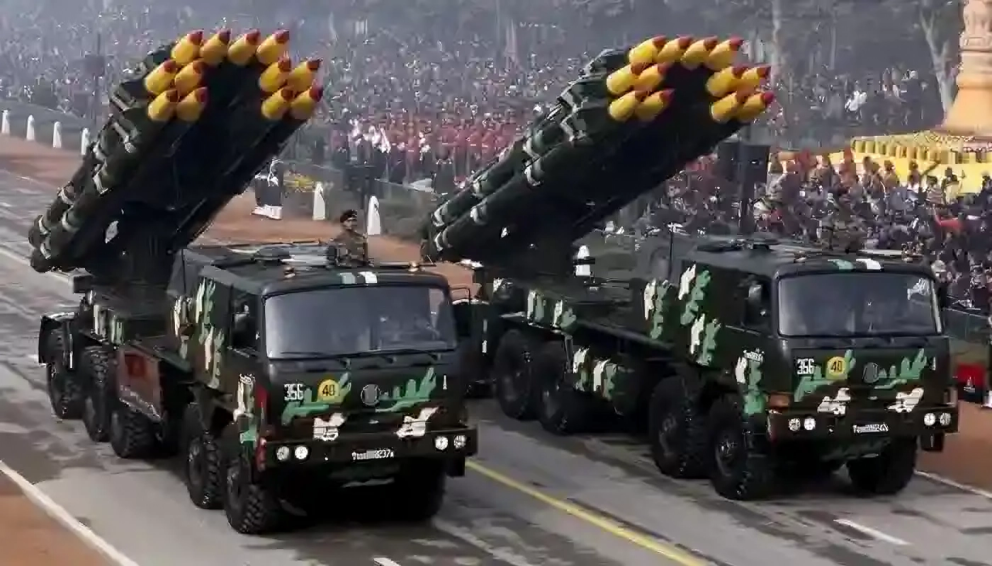

The Indian government has approved a major military procurement package worth $5.46 billion, strengthening the country’s defence capabilities with the purchase of missiles, kamikaze drones, electronic warfare systems, and advanced anti drone technology. The approval reflects New Delhi’s continued focus on modernising its armed forces and improving national security.
The proposal received in principle approval from the Defence Acquisition Council (DAC), the country’s highest defence procurement body, chaired by the Defence Minister. According to the government, the total value of the acquisition is approximately INR 520 billion, although officials have not disclosed when the purchases will be completed or whether the equipment will be produced domestically or imported.
Among the approved systems are medium range surface to air missiles, portable anti tank missiles, advanced electronic warfare systems, and a jet based kamikaze drone system designed for the Indian Army. These technologies are intended to improve battlefield awareness, strengthen air defence, and counter emerging aerial threats.
The government has also approved the acquisition of shipborne drones, naval mines, and a dedicated testing facility to enhance maritime surveillance and coastal security. Additionally, the Indian Air Force is expected to receive a high altitude unmanned aircraft platform capable of carrying out intelligence gathering and remote sensing missions.
India has been steadily reducing its dependence on Russian military equipment over the past decade by increasing defence cooperation with countries such as the United States and France while encouraging domestic manufacturing through its defence production initiatives.
With a current defence budget of approximately $85 billion, India continues to invest heavily in military modernisation. Earlier this year, the country approved defence purchases worth $39 billion, including the acquisition of Rafale fighter jets from France. The latest approval also supports India’s long term strategy to strengthen its navy, following plans announced previously to build at least 75 new ships and submarines, most of them through domestic shipyards.