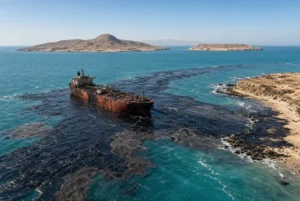

Tensions around the Strait of Hormuz continue to climb after two more vessels came under attack and Washington signaled tougher economic moves against Tehran. The United Arab Emirates reported that two ships belonging to the state-owned Abu Dhabi National Oil Company were targeted while transiting the strait on Thursday evening. UAE authorities directly blamed Iran, which has not issued an immediate response.
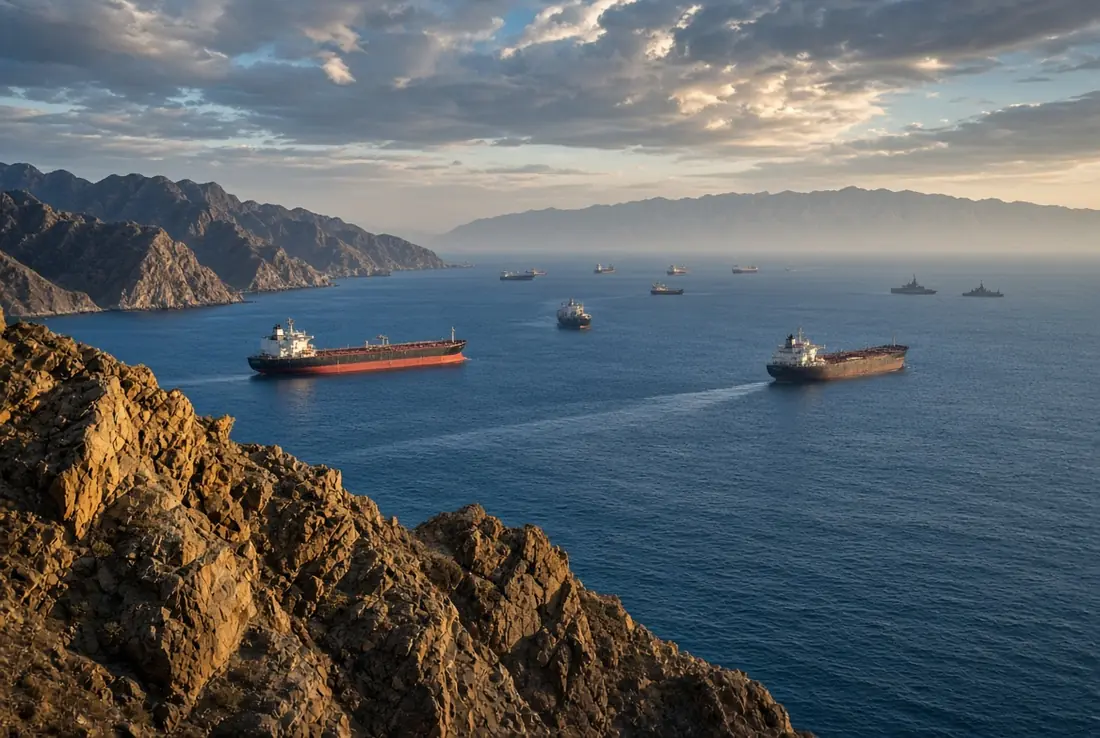
Ship-tracking data showed only nine vessels passing through on Thursday, a slight rise from five the day before but still well below the usual August average of about twelve. Early Friday saw almost no visible crossings. Before the current conflict began, more than 130 ships typically moved through the waterway each day. Analysts note that Iran’s ability to disrupt shipping remains its strongest bargaining chip in any future talks.
A senior Iranian source confirmed there has been no progress in negotiations meant to build on a June agreement that briefly eased fighting. As the ceasefire collapsed, Iran resumed striking vessels it claims are crossing without permission. An Iranian parliamentary committee has now approved a plan that would ban transit by ships linked to the United States, Israel and other countries Tehran labels hostile.
US Defense Secretary Pete Hegseth stated the American navy can keep its naval presence and blockade of Iran in place indefinitely by rotating ships. Treasury Secretary Scott Bessent added that new financial measures are coming next week and promised pressure “like have never been seen in the history of economic isolation.” President Donald Trump faces domestic pressure to end the conflict as high fuel prices hurt his approval ratings ahead of midterm elections.
Oil markets reacted mildly, with Brent crude near $87 a barrel and US crude around $81. India’s imports of Russian oil hit a record high in July, while Asian refineries began buying more American crude to secure supplies. Tehran insists the strait will stay restricted until sanctions are lifted and frozen assets are released. Global growth forecasts already point to sharper slowdowns if the standoff continues much longer