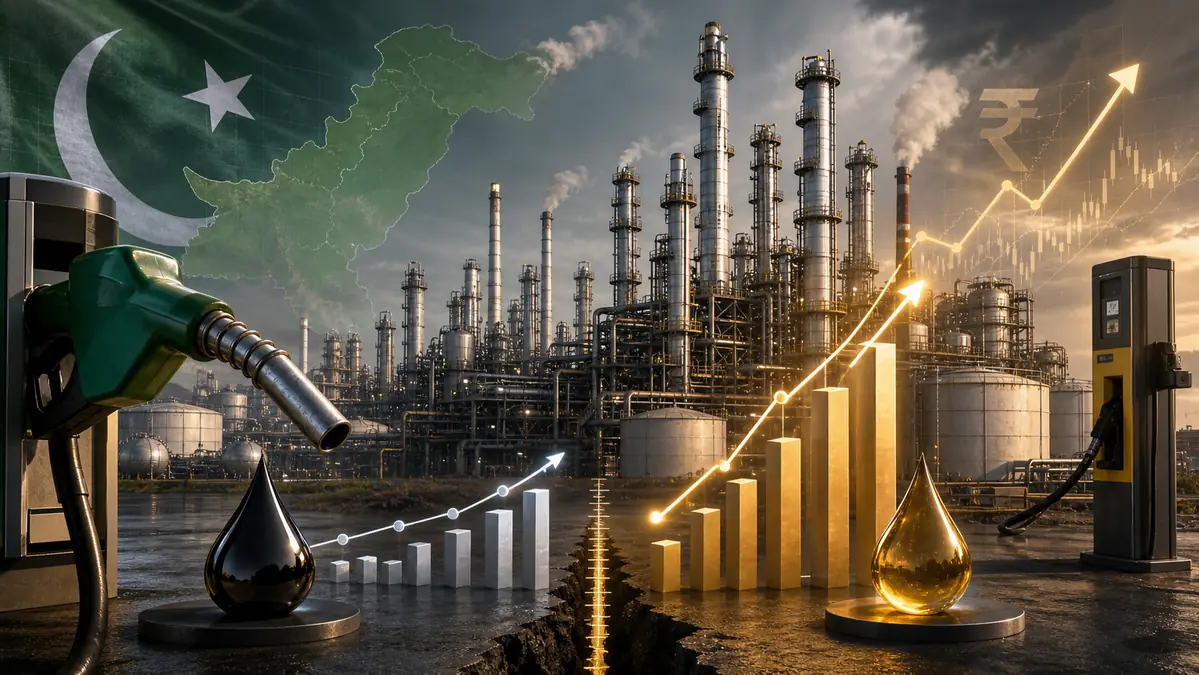

Pakistan’s petroleum pricing system is once again under scrutiny after industry analysis showed that local refineries continued to earn unusually high margins on diesel, even after the government revised the pricing formula.
According to oil industry sources, the gap between international diesel prices and crude oil benchmarks created a major pricing distortion in March and April 2026. Under the previous Import Parity Pricing system, refineries received prices linked to global product benchmarks, along with protected margins and deemed duty. This allowed them to benefit heavily when diesel prices rose far above crude oil levels.
In March 2026, diesel prices based on Platts data averaged around $193.96 per barrel, while Arab Light crude averaged $108.45 per barrel. Normally, diesel prices move within a more balanced crack spread, but the difference widened sharply. Sources claim this created an extra margin of about Rs121 per litre at the ex-refinery level.
The issue reportedly peaked on March 30, when diesel prices reached $250.63 per barrel against crude at $113.69 per barrel. With local diesel production at nearly 490,000 metric tons, refineries are estimated to have earned around Rs60 billion in additional profits during March alone.
After criticism, the government introduced a temporary cost-plus pricing formula in April for three months. This reduced the gap, but sources say it did not fully solve the problem. Diesel prices still remained significantly higher than levels suggested by crude-based benchmarks, leaving consumers under continued pressure.
Industry sources also claim that authorities were warned about the anomaly earlier but acted only after the matter appeared in the media. Financial results from listed refineries further strengthened these concerns, as four companies reported combined gross profits of Rs72.2 billion for the January to March quarter.
Critics now argue that the government should recover excess margins and align fuel prices more closely with crude oil benchmarks. The issue may increase public pressure for a fairer and more transparent fuel pricing mechanism in Pakistan.