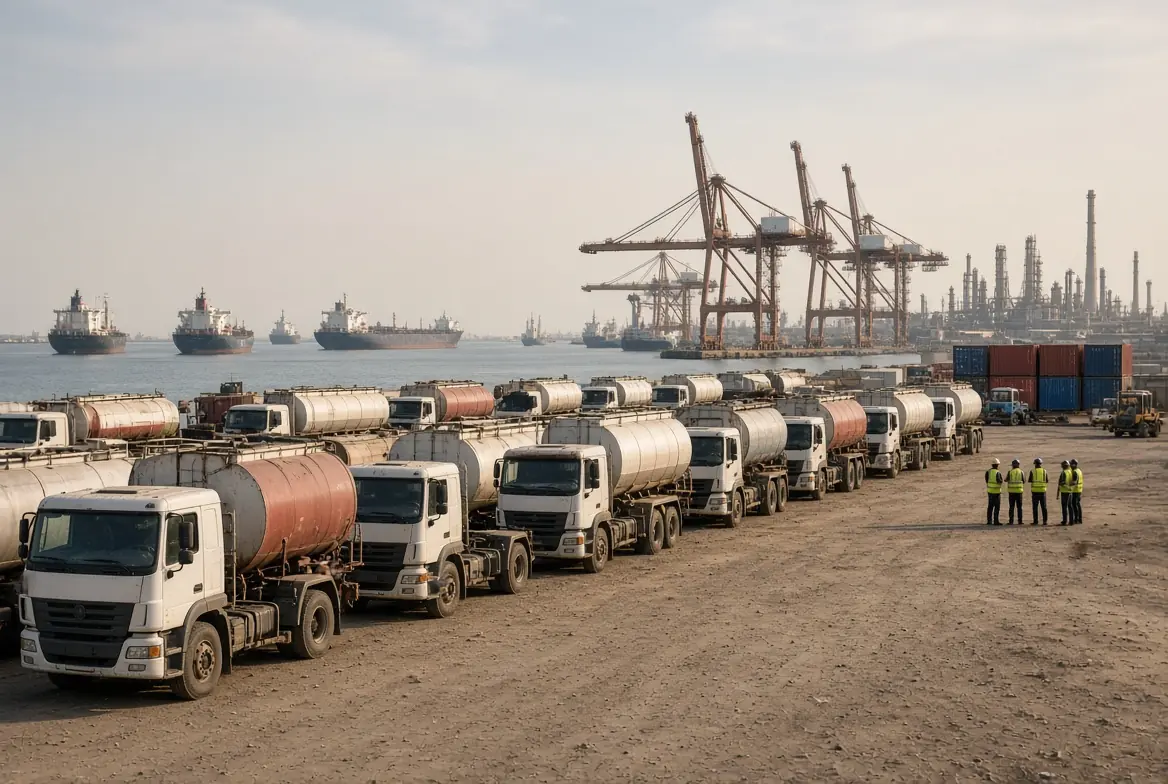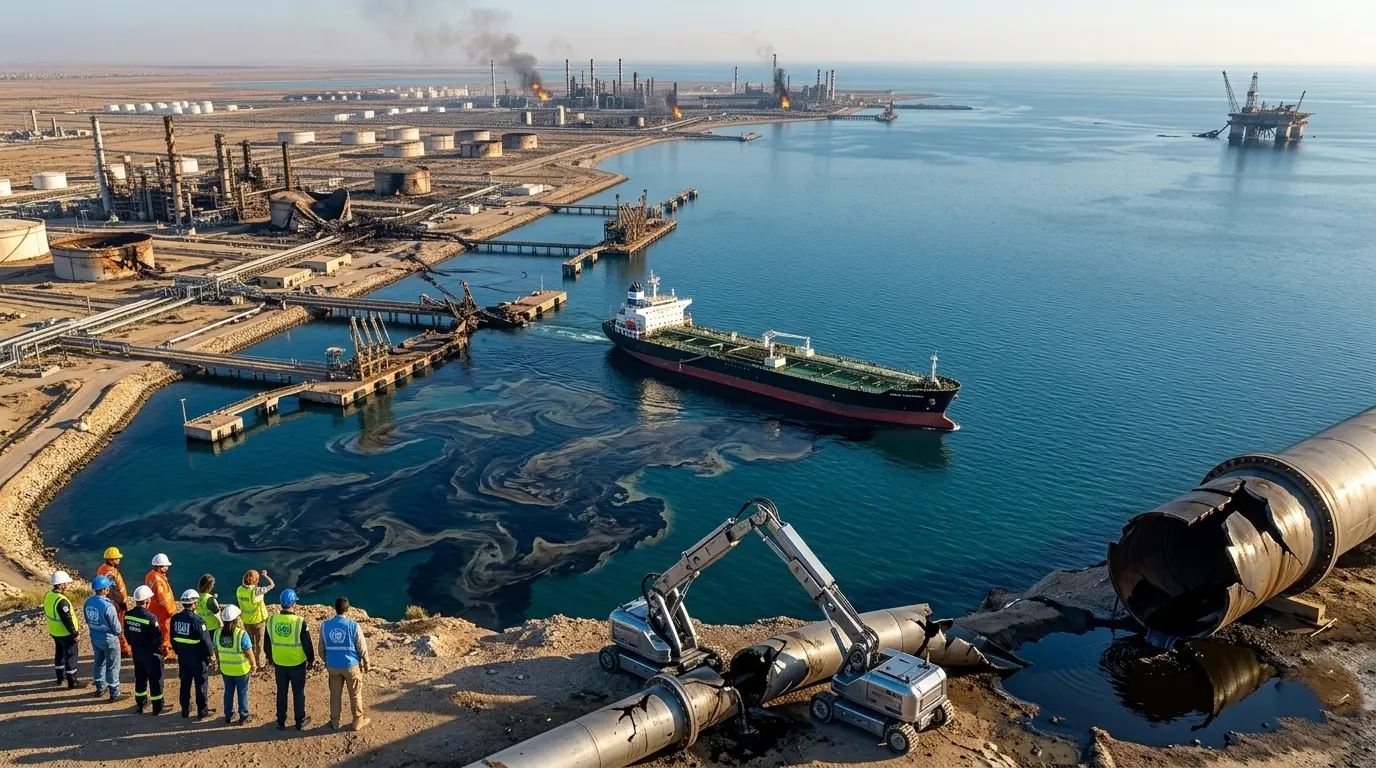

The global energy market is currently grappling with the most significant supply disruption in modern history. Since the conflict in Iran began nearly fifty days ago, the world has seen a staggering loss of over 500 million barrels of crude oil and condensate. According to recent data and expert calculations, this massive production gap translates to a financial hit exceeding $50 billion.
To put this scale of loss into perspective, the missing oil is enough to power the entire global economy for five days or satisfy the total oil demand of the United States for nearly a month. It is also equivalent to shutting down all aviation travel globally for ten weeks or halting every road vehicle on the planet for eleven days straight. These figures highlight how deeply the energy crisis has penetrated the foundation of global logistics and commerce.
In the Gulf region, production plummeted by approximately 8 million barrels per day during the peak of the crisis. Jet fuel exports from major hubs like Saudi Arabia, Qatar, and the UAE saw a dramatic decline, dropping from nearly 20 million barrels in February to just over 4 million in the subsequent weeks. This shortage alone represents enough fuel for 20,000 round-trip flights between New York and London.
While recent reports suggest that the Strait of Hormuz is reopening following a ceasefire agreement, the road to recovery remains long. Experts warn that heavy oil fields in Iraq and Kuwait may require several months to reach normal operating levels again. Furthermore, the extensive damage to regional infrastructure, specifically refining plants and LNG complexes, suggests that it could take years before the global oil supply is fully restored to its pre-war capacity. The economic aftershocks of this fifty-day conflict will likely be felt by consumers and industries across the globe for the foreseeable future.