
Recent Articles
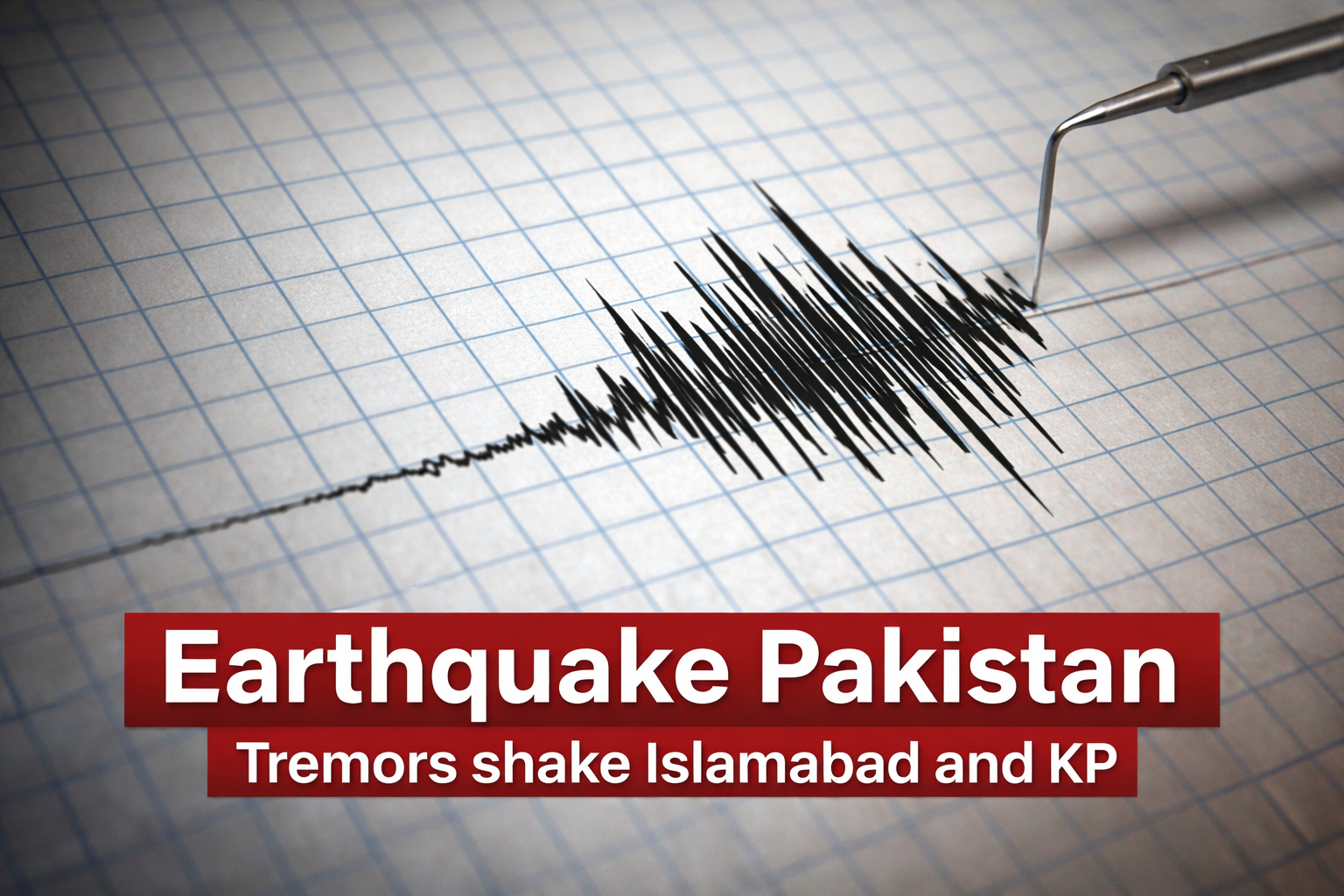
A 5.5 magnitude earthquake struck the Hindu Kush region of Afghanistan on Saturday, sending noticeable tremors across several cities in Pakistan, including Islamabad, Peshawar, and parts of Khyber Pakhtunkhwa. According to the Pakistan Meteorological Department, the quake originated deep beneath the surface at a depth of 199 kilometres, which contributed to its wide impact area.
Residents in Swat, Chitral, Hangu, North Waziristan, and Rawalpindi also reported feeling the shaking. Many people rushed out of their homes and workplaces as a precaution, though the tremors were brief. Fortunately, authorities confirmed that there were no immediate reports of casualties or property damage, providing relief to the affected communities.
Seismologists identified the epicentre in the Hindu Kush mountains, a region known for frequent seismic activity. Pakistan remains vulnerable to earthquakes due to its location along the boundary of the Indian and Eurasian tectonic plates, making such incidents relatively common.
This is not the first time the region has experienced seismic activity in recent months. Earlier this month, a 6.1 magnitude earthquake shook multiple regions including Punjab, Gilgit Baltistan, and Azad Jammu and Kashmir, with tremors widely felt across northern Pakistan. Similarly, a 5.8 magnitude quake in February affected areas like Islamabad, Swat, and Hunza.
Pakistan has a history of devastating earthquakes, most notably the 2005 Azad Kashmir earthquake, which caused massive destruction and loss of life. Experts continue to warn that the country’s mountainous terrain and densely populated areas increase the risk during such disasters and make rescue operations more challenging.
Authorities emphasize the importance of preparedness and awareness, urging citizens to stay alert and follow safety guidelines during seismic events. While this recent earthquake caused no harm, it serves as a reminder of the region’s ongoing vulnerability to natural disasters.