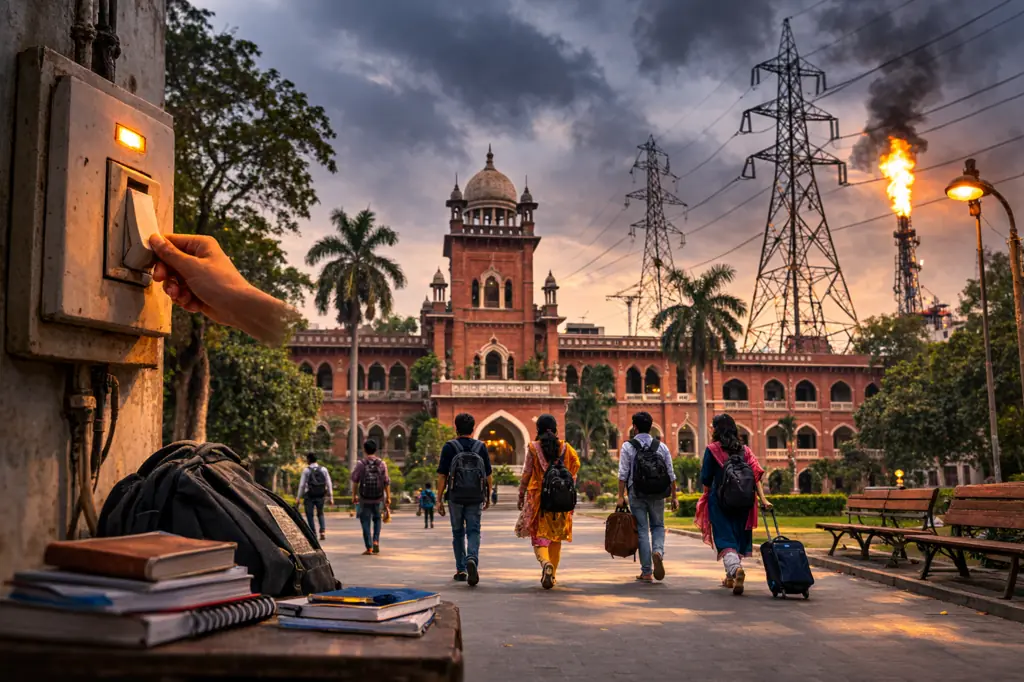

Bangladesh has announced an early closure of universities across the country as part of urgent steps to address the ongoing Bangladesh energy crisis. The government decided to move forward the Eid ul Fitr holidays for all public and private universities in order to reduce electricity consumption and fuel usage during a period of growing energy shortages.
Officials confirmed that the measure will take effect from Monday and will apply to all universities nationwide. Authorities believe that closing campuses early will significantly reduce power demand because university facilities such as student hostels, lecture halls, laboratories, and air conditioned classrooms consume large amounts of electricity on a daily basis.
Government representatives also noted that fewer students commuting to campuses will help reduce traffic congestion, which in turn lowers fuel consumption. The initiative is part of a broader plan to stabilise the country’s strained power system while energy supplies remain uncertain.
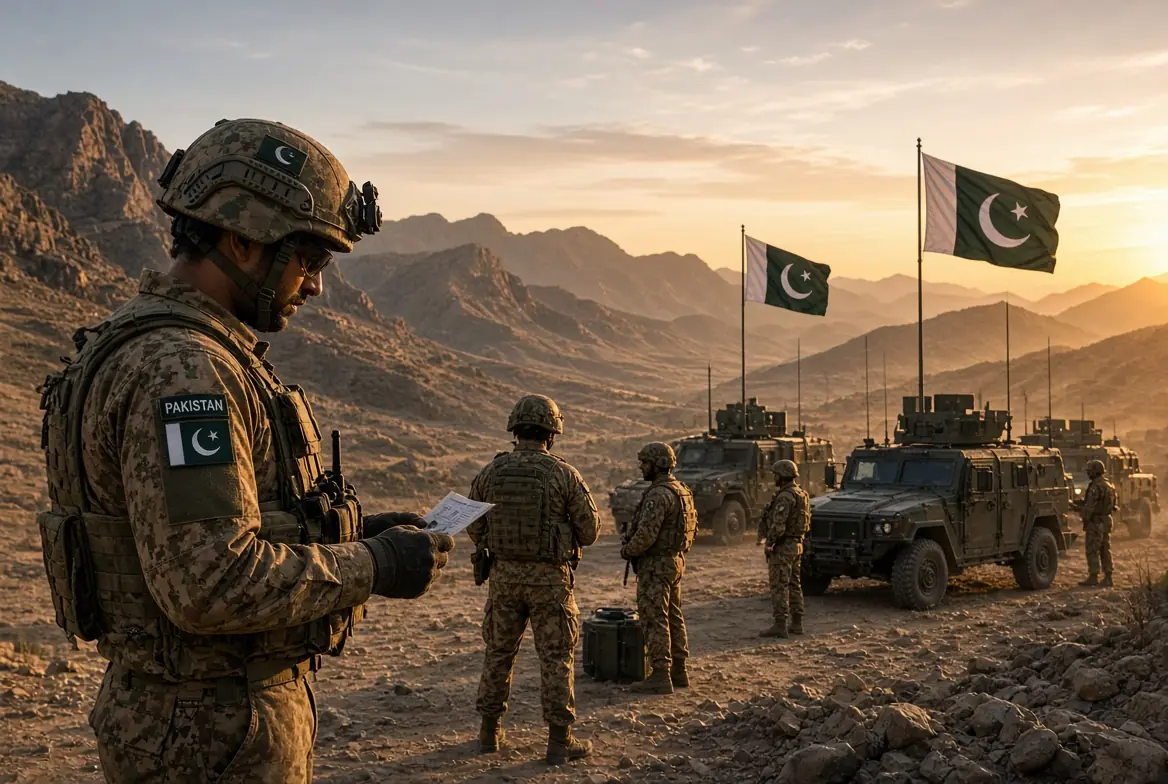
The Bangladesh energy crisis has intensified due to disruptions in global fuel markets linked to the ongoing conflict in the Middle East. Bangladesh relies heavily on imported energy, with around 95 percent of its fuel and power resources coming from overseas suppliers. As global prices rise and supply chains tighten, the government is working to manage limited resources more carefully.
Many educational institutions were already closed for the holy month of Ramadan, including most government and private schools. With the latest decision, nearly all educational activities across the country will now pause until after the holiday period.
To further control electricity usage, authorities have also requested that foreign curriculum schools and private coaching centres suspend their operations temporarily. These measures are intended to ensure that available electricity can be directed toward essential services and prevent widespread power outages.
The situation has already forced the government to shut down four of its five state run fertiliser plants due to severe gas shortages. The limited gas supply has instead been redirected toward power generation facilities to maintain electricity production.
Meanwhile, Bangladesh has started purchasing liquefied natural gas from the international spot market at higher prices while searching for additional supplies to fill the growing energy gap. Officials say these steps are necessary to maintain stability in the country’s power, fuel, and import systems.