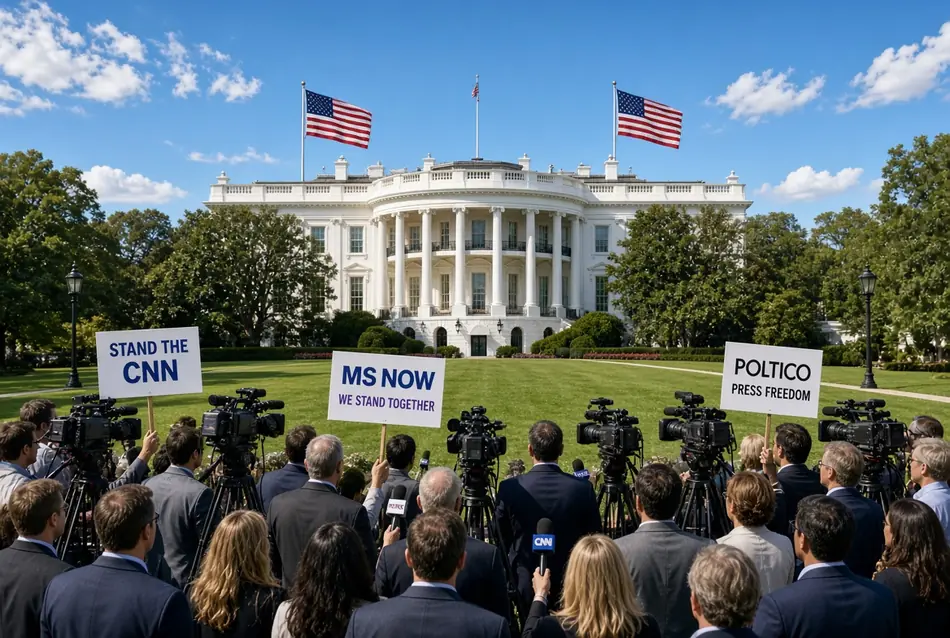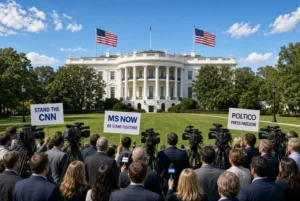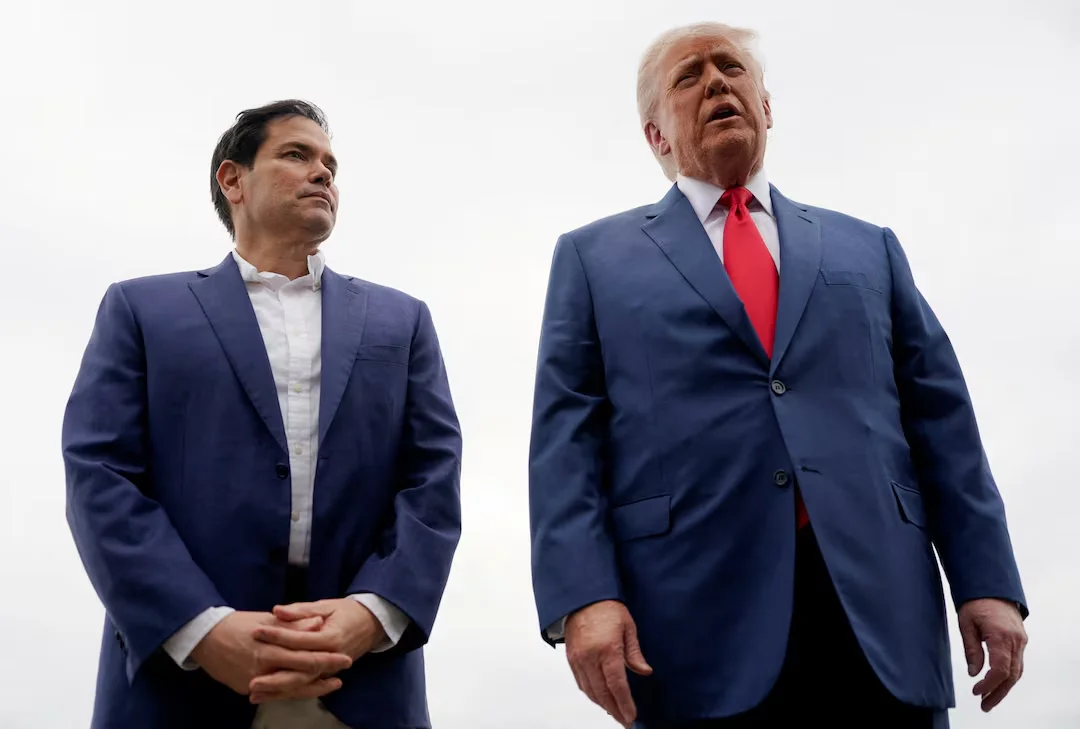

In a dramatic turn of events, President Donald Trump confirmed that he ordered US forces to join Israel’s military attack on Iran, claiming he believed Tehran was preparing to strike first. His statement, made during a meeting with German Chancellor Friedrich Merz at the White House, appeared to contradict earlier remarks by Secretary of State Marco Rubio, who had provided a different explanation for the escalation.
Rubio had initially stated that Washington acted out of concern that Iran would retaliate against anticipated Israeli action, potentially targeting American troops. According to him, the United States decided to launch a preemptive strike to avoid suffering greater casualties. However, Trump insisted the decision was based on his own assessment that Iran was on the verge of launching an attack. He rejected claims that Israel pressured the United States into the conflict, saying it was his judgment that action was necessary.
Iran, on the other hand, has described the US assault as unprovoked, denying any immediate plans to attack. The situation has sparked criticism not only from Democrats but also from prominent conservative commentators. Figures like Matt Walsh and Megyn Kelly questioned whether the United States was being drawn into what they described as Israel’s war, raising concerns about national interest and strategic priorities.
The debate has placed the White House in damage control mode, especially as the Republican Party prepares for the upcoming midterm elections. Trump defended his decision, stating that negotiations held in Geneva with Iranian officials had not produced meaningful progress. US envoys reportedly urged Iran to abandon uranium enrichment, but Iranian representatives proposed conditions that Washington viewed as unacceptable.
While Trump presented no public evidence that an Iranian strike was imminent, he maintained that swift action was essential to protect American forces. The unfolding conflict continues to raise questions about the broader implications for regional stability and US foreign policy.