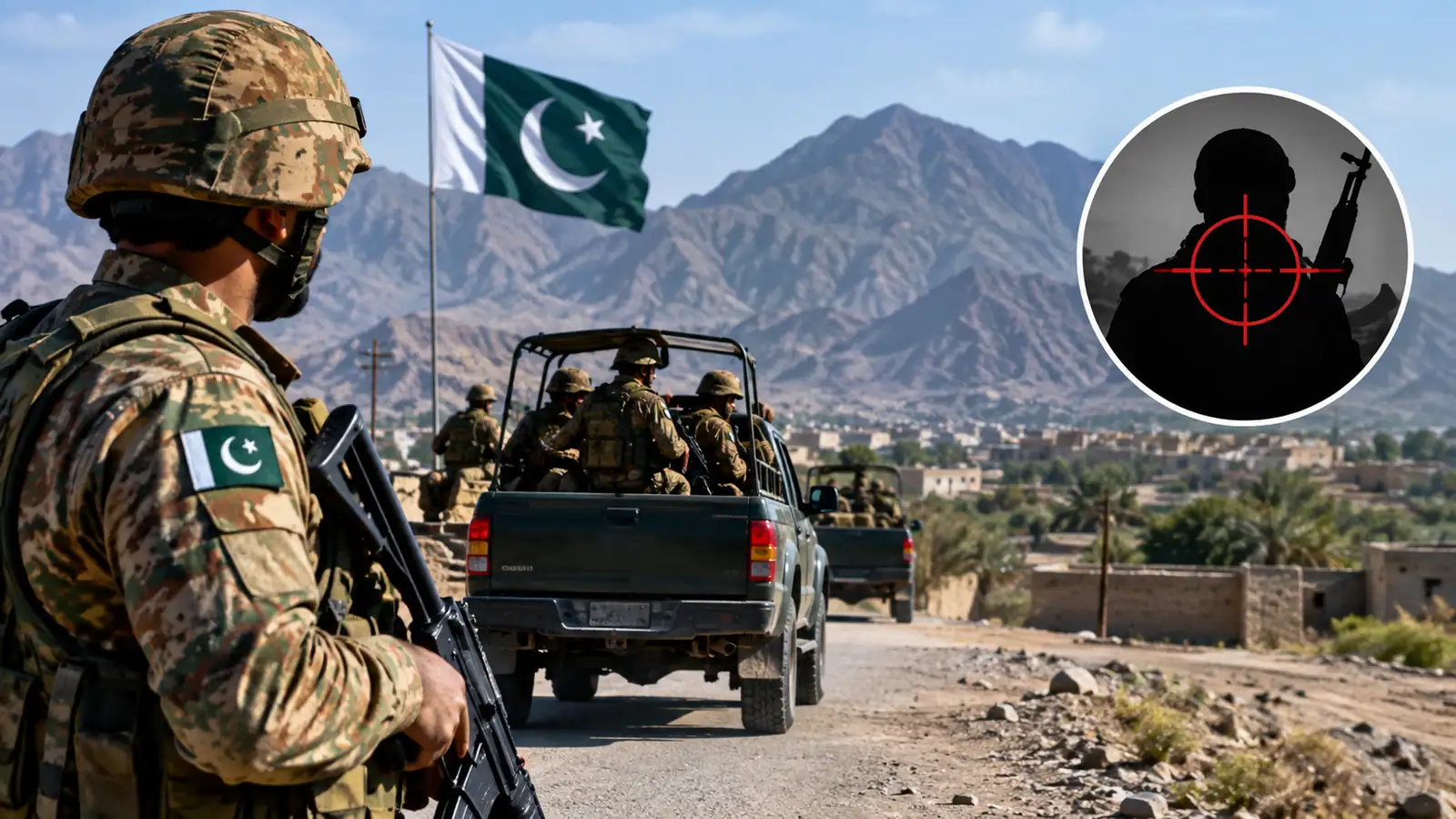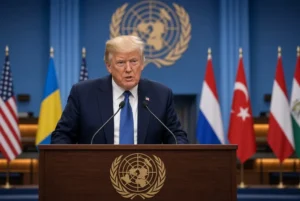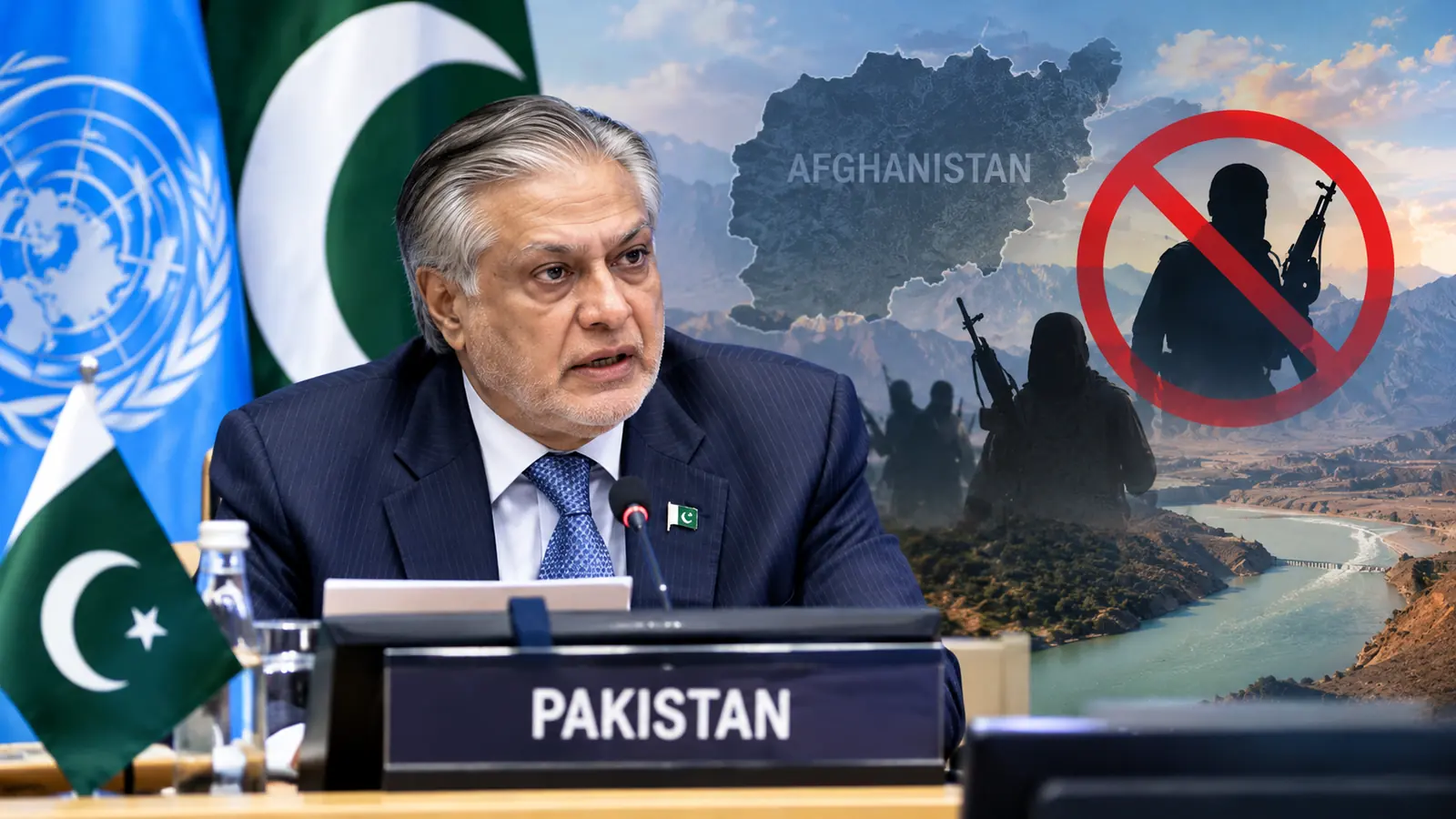

Pakistan has called for concrete and verifiable action to prevent Afghan soil from being used for terrorist attacks against neighbouring countries, particularly Pakistan. Deputy Prime Minister and Foreign Minister Ishaq Dar made the remarks during an OIC Contact Group meeting on Afghanistan on the sidelines of the 81st United Nations General Assembly in New York.
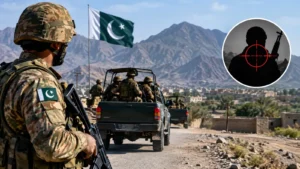
Dar expressed concern over the presence of terrorist groups in Afghanistan and highlighted Pakistan’s sacrifices in combating terrorism. Referring to a recent attack in Kohat, Khyber Pakhtunkhwa, he said the incident demonstrated the continuing security threat and the need for stronger action against militant groups and their alleged sanctuaries.
The deputy prime minister urged the Afghan Taliban authorities to fulfil Afghanistan’s international commitments and take steps against terrorist groups. He also called for greater political inclusion in Afghanistan, the integration of Afghan returnees and improved international assistance for the country’s humanitarian and economic needs.
Dar also addressed the Kashmir dispute at an OIC Contact Group meeting. He reiterated Pakistan’s position that Kashmiris should be able to exercise their right to self-determination under the UN framework. He accused India of attempting to change the demographic composition of Jammu and Kashmir following measures introduced after August 5, 2019. These remarks represent the Pakistani government’s stated position on the dispute.
The Pakistani foreign minister also raised the Indus Waters Treaty, saying India could not unilaterally suspend obligations under what Pakistan considers a binding international agreement. Dar referred to the Court of Arbitration and said the treaty’s obligations, including those concerning the Western Rivers, remained in force.
He further referred to the May 2025 Pakistan India conflict, arguing that the unresolved Kashmir dispute could create serious regional risks.
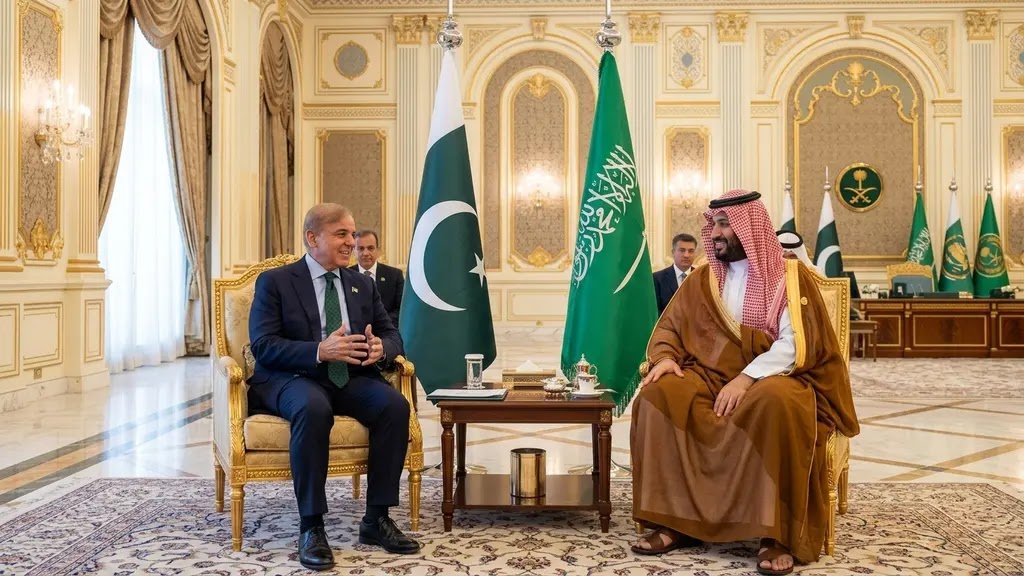
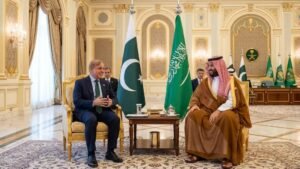
Dar is in New York as part of Prime Minister Shehbaz Sharif’s delegation for the UNGA, where Pakistan is also engaging in diplomatic meetings on regional security and bilateral issues.