
US Iran war tensions remain high as top aides to President Trump work to limit further escalation ahead of the November midterms. According to people familiar with the discussions, White House officials want to avoid the conflict dominating headlines while Republicans try to protect their narrow majorities in Congress.
For now the administration prefers heavier economic pressure on Iran. Officials hope this approach will force Tehran into future negotiations after months of military action failed to deliver lasting concessions. One White House official put it simply: the pressure continues, but November is the priority.
Recent days have tested this plan. The United States and Iran traded strikes overnight, including American hits on rocket launchers and Iranian missile fire toward regional targets. The US military described its latest actions as responses to attacks on American forces and shipping. Iran, feeling stronger after months of disrupting traffic in the Strait of Hormuz, shows little sign of stepping back.
Public opinion adds pressure. A late August Reuters Ipsos poll found only 31 percent of Americans approve of the war while 63 percent disapprove. High petrol prices have made the conflict especially unpopular with voters. A quieter period could also give the military time to rebuild depleted stocks of precision munitions.
Yet the strategy faces clear risks. Analysts say Iran has every reason to keep launching periodic attacks on US and allied targets. Any major Iranian strike could force Washington to respond more forcefully, potentially spinning the conflict back into a wider air campaign whether the White House wants it or not.
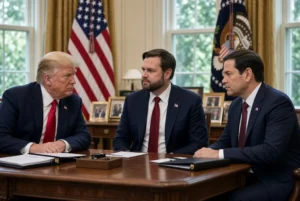
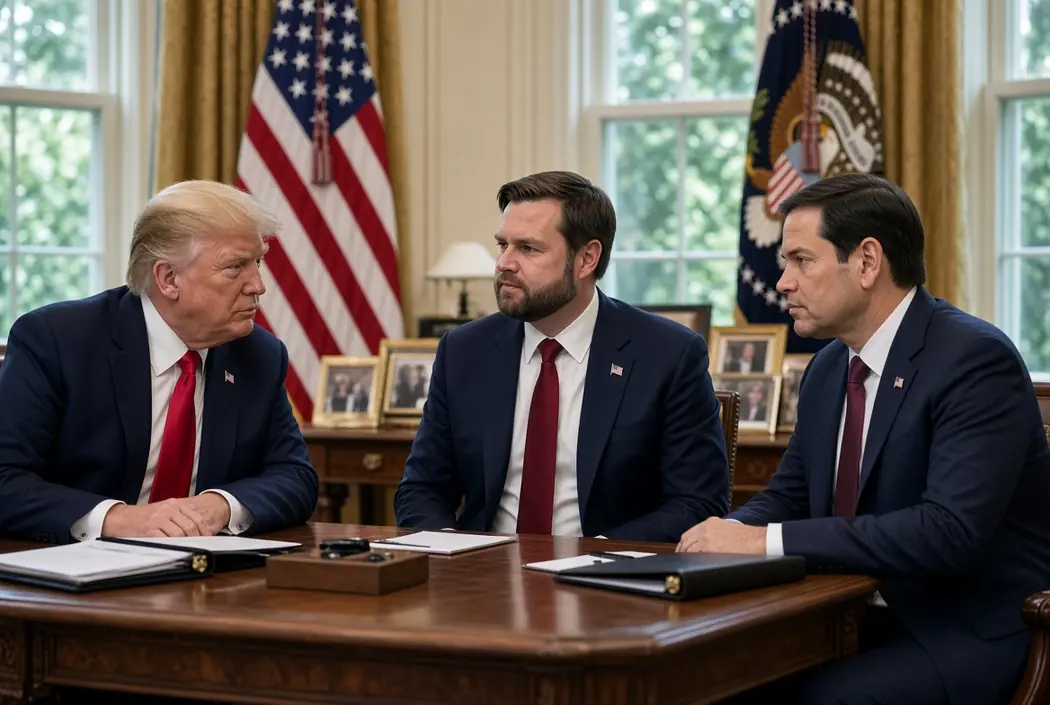
President Trump himself remains a wild card. His approval rating has dropped since the fighting began. He has threatened stronger action if Iran retaliates again, while also insisting the midterms are not driving his decisions. Vice President JD Vance and Secretary of State Marco Rubio are among those supporting the effort to keep the US Iran war relatively contained until after the vote.
Gulf allies have also urged de-escalation after earlier rounds of fighting. Meanwhile the economic isolation campaign continues, with new threats of secondary sanctions and a continued naval blockade. Still, China and other powers have not fully joined the effort, raising questions about how much leverage the pressure can actually create.
As the war enters its seventh month, logistical limits and political timing are shaping the next moves. Officials say the calendar is now a major factor. Whether the quiet strategy holds through November will depend on events on the ground and decisions still being weighed inside the White House.