
Iran faces deep economic pain as conflict stretches into its sixth month. Leaders in Tehran are openly discussing the heavy cost of ongoing tensions with the United States. Supreme Leader Ayatollah Mojtaba Khamenei has urged the government to tackle rising inflation, unemployment, and high prices for everyday goods. In a written statement, he stressed the need to manage markets and improve living conditions for ordinary people.
President Masoud Pezeshkian reported that foreign trade has fallen by nearly 35 percent. He blamed American sanctions and a naval blockade of Iranian ports for the sharp decline in both exports and imports. Inflation recently hit 66 percent, adding to the pressure on families across the country. Despite the difficulties, Pezeshkian noted that Iran managed to sell around 90 million barrels of oil during a short period when a temporary understanding with Washington allowed limited sales.
The United States continues to tighten financial pressure. Officials have warned other countries to reduce ties with Iran or risk secondary sanctions. The US Treasury recently targeted Egypt’s Banque Misr over alleged links through its UAE branch, limiting certain dollar transactions. Additional sanctions hit a Hong Kong-based entity and an individual connected to Iran’s Bank Melli. Washington has avoided broader measures against major partners like China and India for now, citing potential global economic risks.
At the same time, Iranian officials maintain a firm stance on the Strait of Hormuz. The Islamic Revolutionary Guard Corps navy rejected claims that the waterway is fully open, stating that passage still requires Iranian permission. Shipping data showed only seven commodity vessels passing through on one recent day, well below the recent average. American forces say they have cleared sea mines previously placed in the strait, yet the standoff continues.
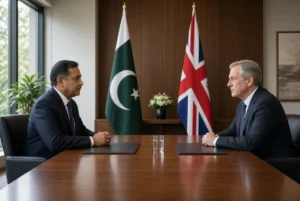
Diplomatic efforts have not ended. Qatar’s prime minister visited Tehran and called for a return to normal shipping through the strait. Iranian Foreign Minister Abbas Araqchi described the talks as constructive. Qatar and Pakistan had earlier helped arrange a brief ceasefire that later collapsed over disagreements about the waterway.
As the conflict continues, Iranian leaders balance economic survival with political defiance. The combination of US pressure, restricted oil sales, and disrupted trade routes leaves the country facing serious challenges while both sides remain far from a lasting resolution.