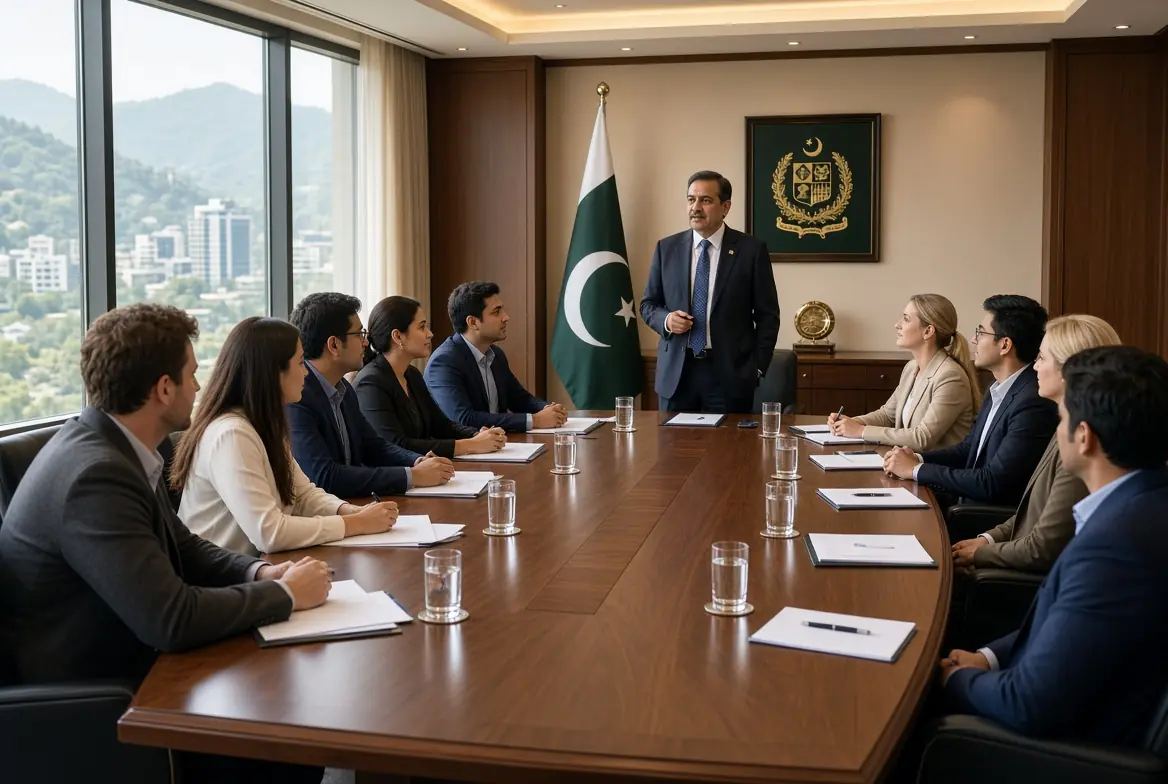

Pakistan’s Ambassador to the United States, Rizwan Saeed Sheikh, has strongly rejected India’s claims about the Indus Waters Treaty. In a recent opinion piece published in Newsweek, he accused New Delhi of distorting the history, structure, and true purpose of the agreement. Sheikh made it clear that India’s attempt to present the treaty as an unfair or one-sided deal is completely misleading.
He explained that India has been pushing this false narrative more aggressively since its decision in April 2025 to place the treaty “in abeyance.” According to the ambassador, this move appears designed to justify a unilateral action that has no legal foundation in the treaty or under international law. The Indus Waters Treaty was signed on September 19, 1960, after nearly a decade of negotiations facilitated by the World Bank. It was never an act of Indian generosity or a concession to Pakistan. Instead, it reflected a carefully balanced arrangement based on the realities of that time.
Sheikh also dismissed India’s accusation that Pakistan has blocked Indian hydropower projects. He stressed that Pakistan’s use of the dispute settlement process under Article IX is simply the exercise of rights clearly given by the treaty. India cannot claim the benefits of hydropower development while rejecting the technical rules and resolution mechanisms that form part of the same agreement.
The ambassador firmly stated that the treaty has no clause allowing either side to suspend it, put it on hold, or end it alone. India’s announcement in April 2025 therefore does not change the legal status of the Indus Waters Treaty. It remains valid, fully operative, and binding on both countries. Political or security issues, including baseless terrorism allegations, cannot give any state the right to ignore or rewrite a binding international agreement.
Sheikh warned that trying to weaponize shared rivers by undermining this long-standing treaty would create uncertainty and threaten peace in an already tense region. Pakistan remains fully committed to implementing the treaty in both letter and spirit. He urged India to withdraw its unilateral steps, return to complete compliance, and resolve differences through the proper institutional channels set out in the agreement.