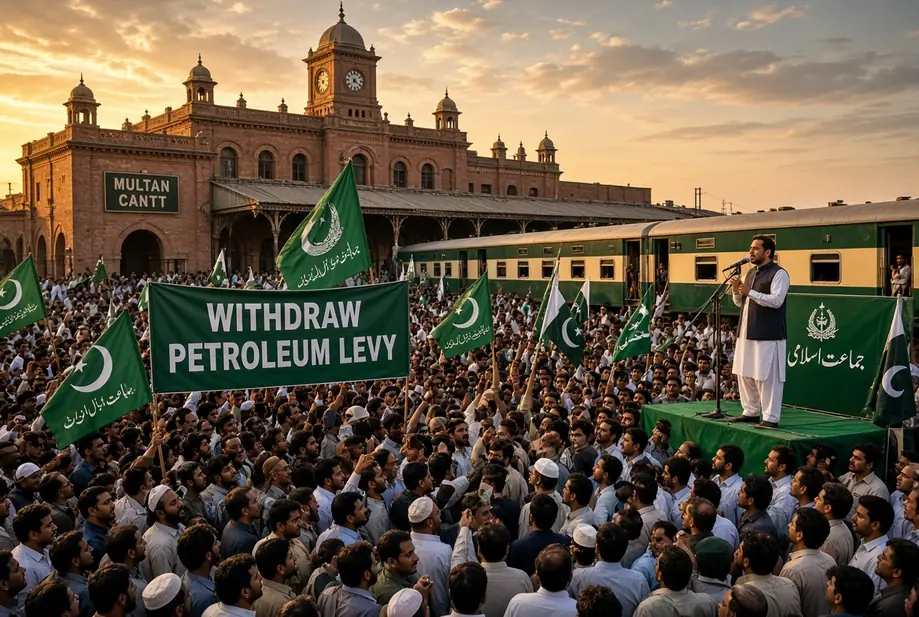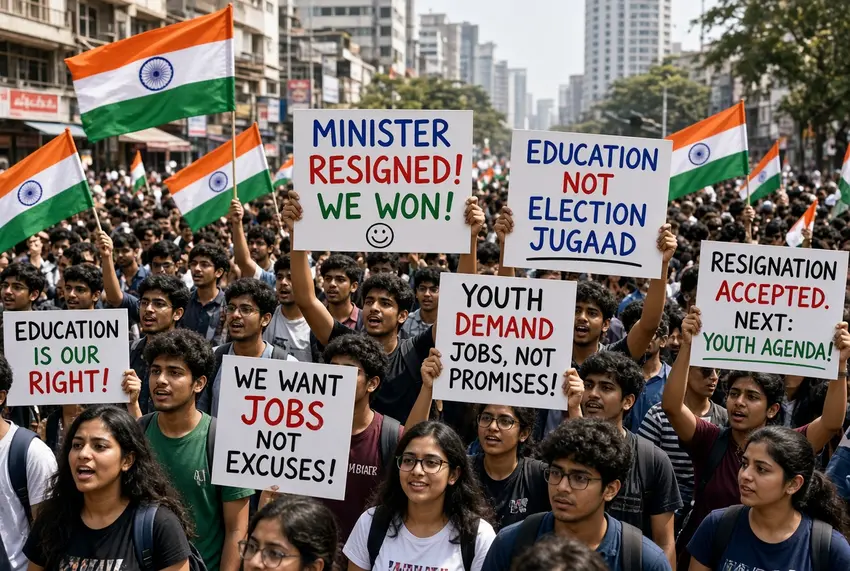

Two weeks after young people forced India’s education minister to resign, Prime Minister Narendra Modi’s government faces one of its strongest political tests in years. The protests, led by the online Cockroach Janta Party, started over exam paper leaks but quickly grew into a wider movement. Young Indians voiced anger about job uncertainty, limited opportunities, and what they see as growing control under the current leadership.
The resignation of Education Minister Dharmendra Pradhan on 25 July came as a rare setback for a leader known for his firm image. In response, the government has tried to reach out to youth. Parliament increased penalties for exam paper leaks, and police withdrew cases against many protesters after criticism of heavy handed tactics. Authorities also faced questions over the use of AI powered cameras to track demonstrators and the temporary internet shutdown near the main protest site in New Delhi.
Exam cheating was only the starting point. Many young people who spent years preparing for competitive tests now worry about finding stable work. This deeper frustration over employment and trust in public institutions gives the movement longer lasting energy. Even if exam systems improve, the broader concerns about economic security remain hard to fix quickly.
The Cockroach Janta Party has built a large online following. Its founder, Abhijeet Dipke, plans a nationwide listening tour to hear more from young Indians while still supporting protests against irregularities. Demonstrations continue in places like Jharkhand. For now, the group says it will act as a pressure group rather than a political party, calling for restored trust and neutrality in institutions.
With nearly three years left before the next national elections, both the ruling party and the opposition are watching closely. Young voters form a large group, and the anger shown on the streets could shape how parties speak to them. The protests revealed how social media helps youth organise and how governments respond with both concessions and tighter monitoring. Whether this energy turns into lasting political change remains an open question, but the message from the streets is clear: young Indians want better opportunities and more accountability.