
US and Iran Edge Toward Hormuz Deal as Oil Prices Drop
Hopes for a breakthrough are rising as the United States and Iran move closer to an agreement that could reopen the vital Strait of Hormuz. US Treasury Secretary Scott Bessent told CNBC there is a real chance a deal could be reached today or tomorrow. His comments echoed President Donald Trump, who has described the current talks as Iran’s last opportunity before tougher action.
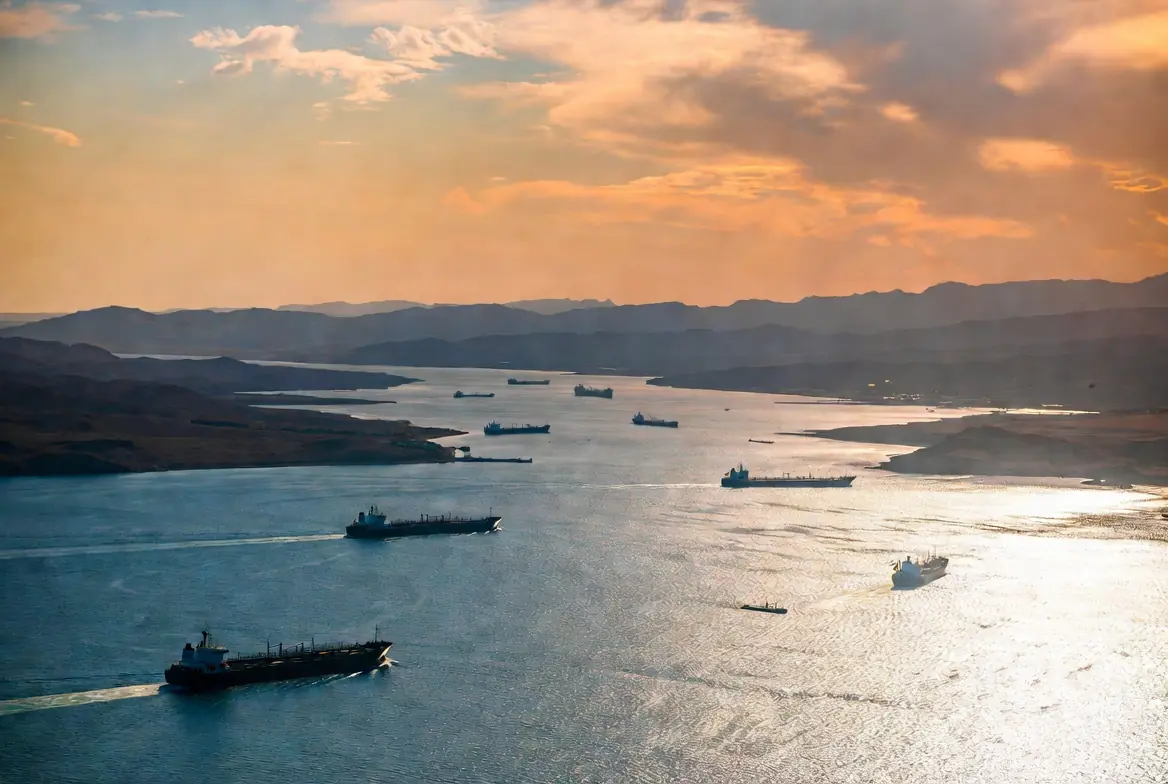
The Strait of Hormuz remains the central issue. Iran has sought greater control over the waterway and the right to charge tolls, something it did not do before the conflict began. Washington firmly opposes these demands. A successful deal would allow more oil and gas shipments to resume, easing pressure on global energy markets. On Tuesday, oil prices fell sharply on the renewed optimism, with Brent crude dropping more than six percent to below $79 per barrel.
Despite the positive signals, tensions continue. A merchant ship was hit by an unknown projectile in the Strait of Hormuz near Oman, leaving one crew member missing. In the Red Sea, an Indian vessel sank after an unattributed attack, though all crew members were safely rescued. Iran-backed Houthi forces have also increased pressure on shipping in that region, adding to the sense of instability.
Iran’s foreign ministry has publicly denied holding direct talks with Washington. At the same time, Secretary of State Marco Rubio confirmed that the United States is involved in discussions between Oman and Iran aimed at increasing traffic through the strait. Qatar, which has been mediating, said diplomatic efforts are continuing but no direct Iran-US meetings are currently planned. Qatari leader Sheikh Tamim bin Hamad Al-Thani spoke with President Trump by phone to discuss ways to reduce tensions.
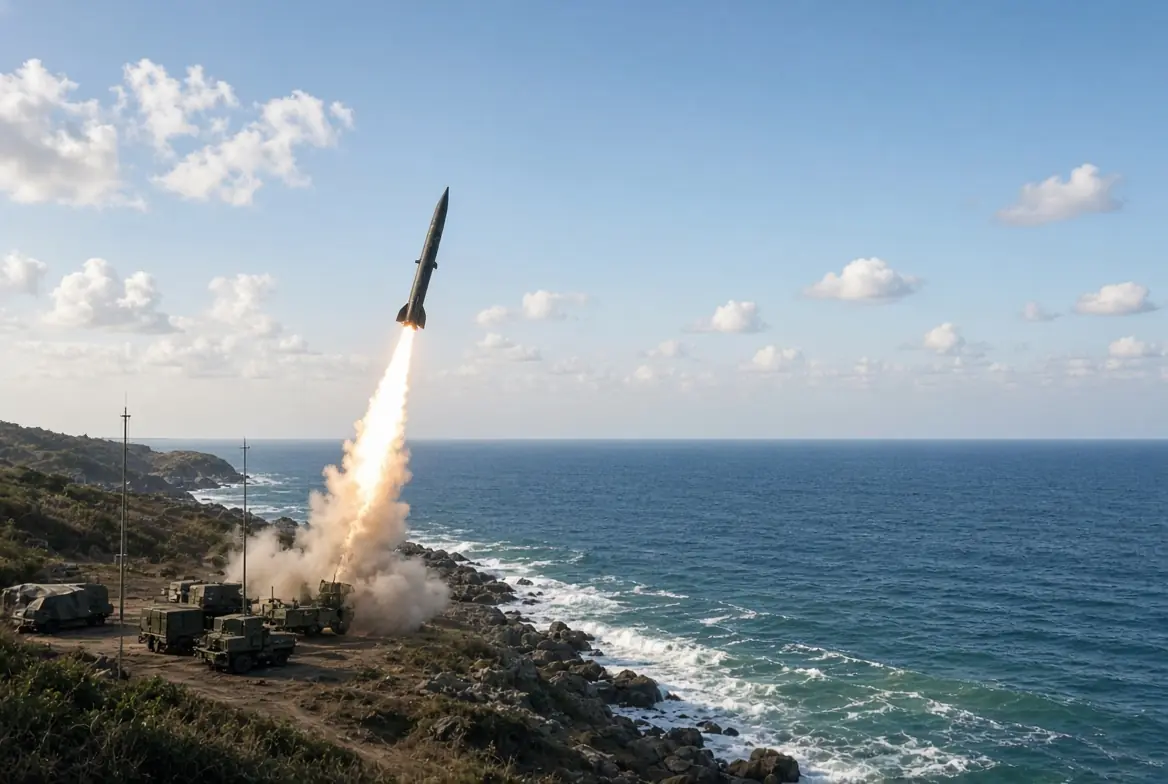
President Trump has mixed optimism with firm warnings, stating that a counter-blockade of Iranian ports will stay in place until a deal or full surrender is achieved. He has also said denuclearisation of Iran remains a longer-term goal. More than five months into the conflict, Iran continues to launch missiles and drones at regional targets and commercial shipping.
The situation remains fluid. While both sides appear interested in reducing pressure on the Strait of Hormuz, recent maritime attacks show how quickly events can shift. Markets and shipping companies are watching closely for any concrete agreement that could restore safer passage through one of the world’s most important energy routes.