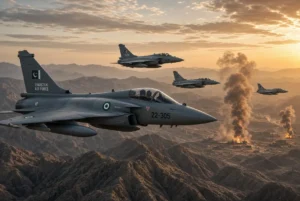

The United States and Saudi Arabia launched joint strikes on Iran-backed groups inside Iraq on Wednesday. Both countries said the targets had been used to launch drone attacks on Saudi oil facilities. Iran quickly warned that blaming it for those attacks was a major miscalculation.
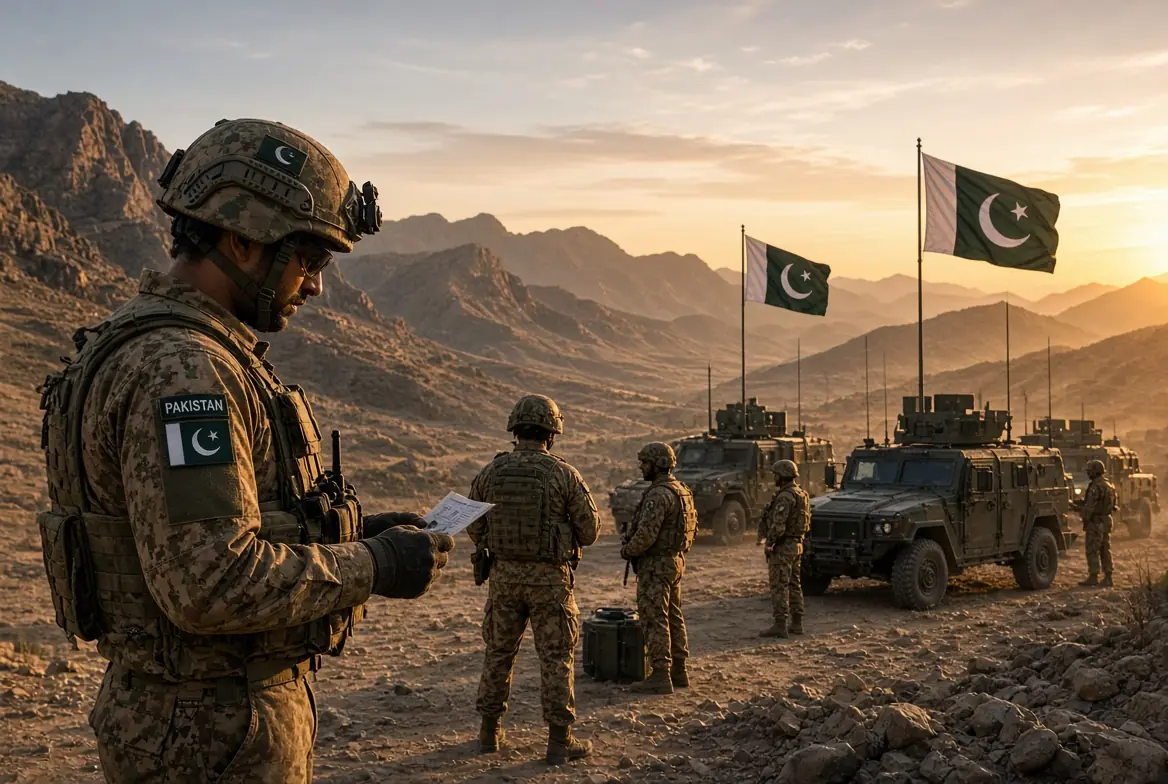
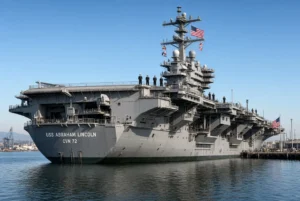
The action in eastern Iraq came just hours after US air defences stopped a surprise Iranian missile attack on American troops in the region. Iran’s Revolutionary Guards said they had fired several ballistic missiles at US bases in Jordan and also claimed to have struck three oil tankers in the Strait of Hormuz. The Guards said the vessels had ignored warnings and taken an unsafe route. They insisted they still hold full control of the strategic waterway.
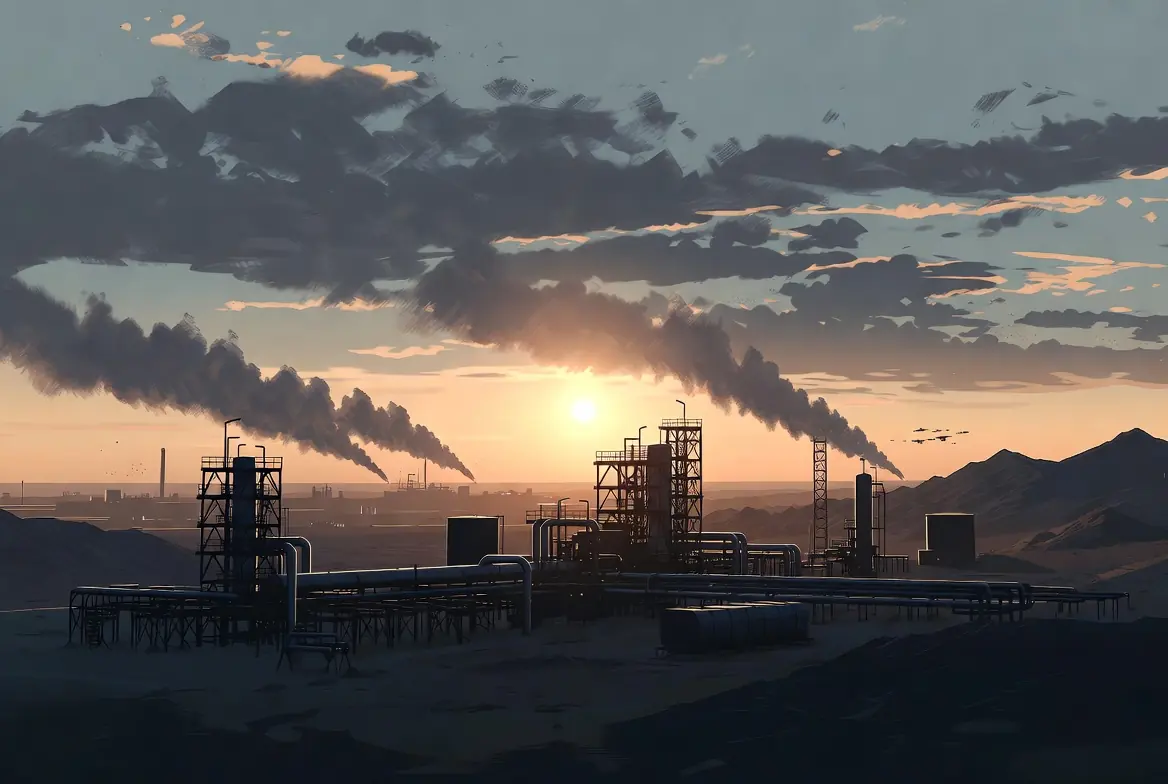
Saudi Arabia reported on Tuesday that its air defences had destroyed several drones aimed at oil sites in the kingdom’s Eastern Province. Officials said the drones came from Iraqi territory and were launched by Iran-backed militias. Later the same day, US Central Command and the Saudi Defence Ministry confirmed they had hit multiple sites across eastern Iraq that were used to direct those drone attacks. Saudi officials stressed they were not seeking a wider fight but would respond to any aggression.
Iraq’s Popular Mobilisation Forces reported that several of their headquarters had been hit. Preliminary accounts spoke of people killed and wounded, along with damage to buildings and facilities.
Oil prices climbed more than three dollars a barrel on Wednesday as markets worried the conflict could grow worse. An Iranian defence official, speaking on state television, strongly denied any link between projectiles fired from other countries and attacks on Saudi targets.
In a separate development, Oman put forward a new regional plan to manage the Strait of Hormuz. The proposal, backed by Gulf states, would involve collecting voluntary fees from ships, similar to the system used in the Strait of Malacca. Under the Omani idea, Iran would not hold sole control. A US official again rejected any idea of tolls or fees, saying the strait is an international waterway that must remain free of Iranian restrictions.
The back-and-forth strikes ended a short pause in the fighting that began after President Donald Trump halted a two-week bombing campaign. Iran appeared to pause as well, but the calm did not last.