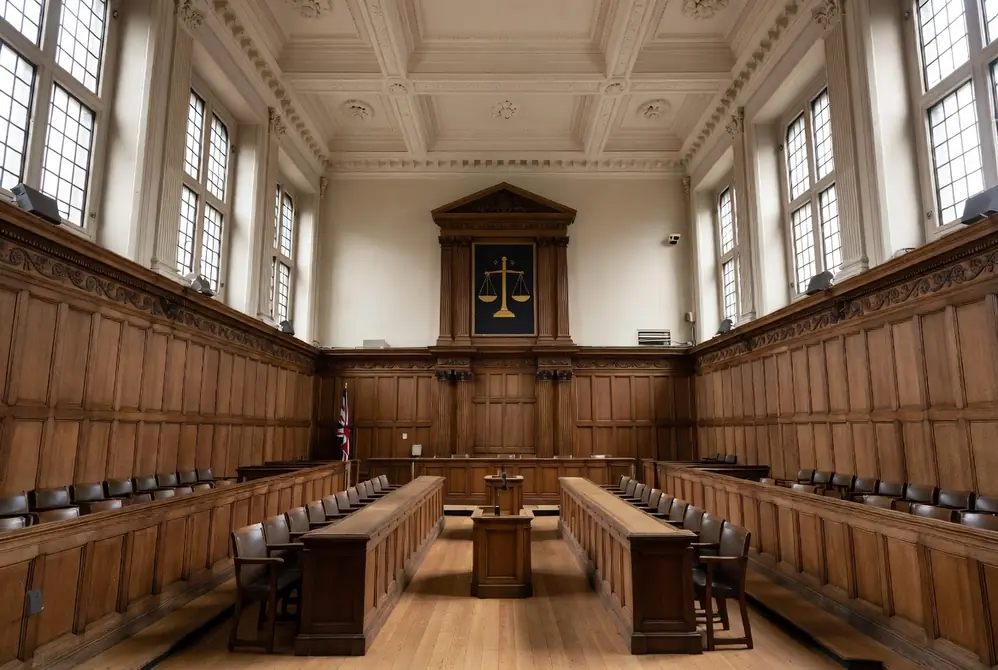

Solicitor fraud case ends in major High Court ruling
A British solicitor has been found liable for fraud after a High Court judge ruled he misused hundreds of thousands of pounds entrusted to him by an East London mosque imam and his family. Deputy High Court Judge Christopher Pymont KC delivered a strongly worded 73-page judgment against Awais Javed, describing him as an entirely dishonest witness who was argumentative, evasive and untruthful.
The case centred on the close relationship between Javed and Mohamad Mashal, an imam and trustee of the East London Mosque in Whitechapel. Mashal had taught Javed Arabic and Islamic studies after the younger man arrived in Britain from Pakistan as a student. Over time, Mashal became a mentor and father figure, often welcoming him into the family home. The family’s trust grew further because Javed was a qualified solicitor.
The Mashal family agreed to invest in a property venture that Javed said would follow Sharia-compliant rules, avoiding interest. They were to provide half the capital while Javed supplied the rest, with properties held through special companies protected by deeds of trust. Instead, the court found that Javed put in none of his own money. He used the family’s funds to buy properties, took out conventional interest-bearing mortgages against the agreed structure, diverted large sums for personal use, and failed to give honest accounts.
Between 2018 and 2019 the family transferred £834,000, including £80,000 in cash, into accounts controlled by Javed. Much of the money came from family savings and inheritance. The judge said Javed operated in secret, manipulated the situation to his advantage, and repeatedly lied or told half-truths. After selling his own home, he transferred proceeds and other claimant money to Pakistan before declaring himself bankrupt in an attempt to avoid repayment.
The court ordered Javed to repay the £834,000 plus recoverable rental income from the properties, with compound interest at 8 percent a year. It also declared proprietary interests over remaining assets. The judge confirmed the findings were based on fraud and fraudulent breach of trust so the judgment would survive bankruptcy discharge. Mashal did not give evidence because the betrayal had taken a heavy toll on his physical and mental health. His children described the deep pain of being deceived by someone their father had treated almost like a son.
Javed has said he disagrees with the findings and plans to appeal.