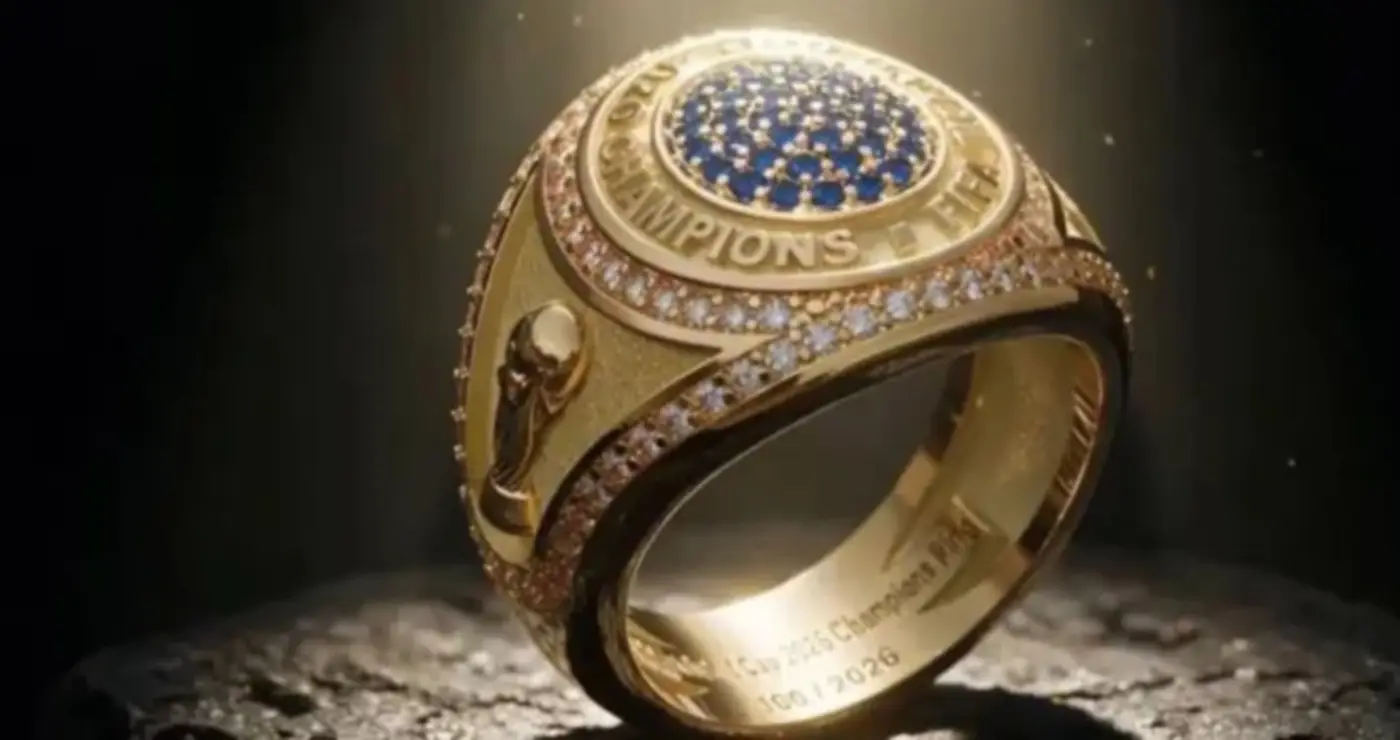

FIFA has announced that the winners of the 2026 FIFA World Cup Final will receive US style championship rings alongside the famous World Cup trophy and gold medals. The decision introduces a tradition commonly seen in American sports and reflects FIFA’s efforts to bring new entertainment elements to its biggest tournament.
The championship rings will be awarded to the winning team following the final between Spain and Argentina at New York New Jersey Stadium. Initially, the captain and head coach will receive temporary rings during the trophy presentation, while the remaining customized rings will be produced later and individually fitted for each member of the winning squad.
According to FIFA, each ring will feature the FIFA World Cup trophy on one side, while the other side will include personalized details celebrating the champion team. A total of 2,026 numbered rings will be produced, with 30 reserved for the champions and the remaining 1,996 released as officially licensed collectibles for football fans worldwide.
The World Cup final will also introduce another first in tournament history with a halftime entertainment show inspired by the Super Bowl. Broadcasting sources say the halftime break will last longer than the traditional 15 minutes to allow enough time for stage installation, the live performance, and equipment removal before the second half begins.
Throughout the tournament, FIFA has also implemented mandatory hydration breaks during both halves of every match. While the organization says the measure was introduced to protect players from the intense North American summer heat, critics argue that the additional stoppages interrupt the natural flow of the game and provide teams with extra tactical opportunities.
Despite mixed reactions from players, coaches, and supporters, FIFA believes these innovations will improve the overall tournament experience while expanding football’s global appeal. The introduction of championship rings and entertainment focused presentations marks one of the biggest changes to the traditional World Cup format in recent history.