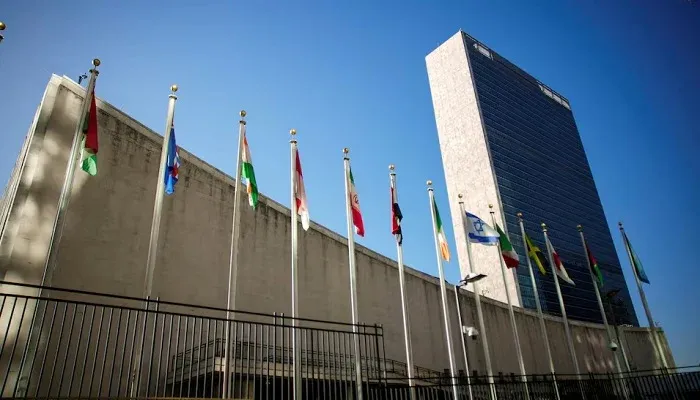

The latest UN nuclear talks ended without a final agreement after four weeks of intense negotiations, highlighting growing global divisions over nuclear disarmament and international security. Diplomats gathered at the United Nations to review the Nuclear Non Proliferation Treaty (NPT), one of the world’s most important agreements aimed at preventing the spread of nuclear weapons.
The conference was led by Vietnam’s diplomat Do Hung Viet, who confirmed that member states failed to reach consensus on the treaty’s main issues. He explained that despite continuous discussions and revisions to the draft document, countries could not agree on the final wording needed for adoption.
The failure marks the third consecutive unsuccessful review conference, following similar deadlocks in 2015 and 2022. Experts believe repeated failures are damaging the credibility of the treaty and weakening confidence in global nuclear diplomacy.
One of the biggest disagreements involved concerns over the nuclear programmes of Iran and North Korea. Negotiators also struggled to agree on language related to the renewal of the New START treaty between the United States and Russia. Earlier drafts included stronger criticism and calls for action, but many of those references were removed during negotiations to gain broader support.
Campaigners and arms control groups blamed nuclear armed nations for blocking meaningful progress. According to the International Campaign to Abolish Nuclear Weapons (ICAN), powerful countries continue expanding and modernising their nuclear arsenals while resisting stronger disarmament commitments.
Data from the Stockholm International Peace Research Institute (SIPRI) shows that the world’s nine nuclear armed states possessed more than 12,000 nuclear warheads in early 2025. The majority remain under the control of the United States and Russia.
Although the treaty remains active, analysts warn that growing political tensions and military competition could increase the risk of a new global arms race. Many experts now fear that without stronger international cooperation, future nuclear negotiations may become even more difficult.