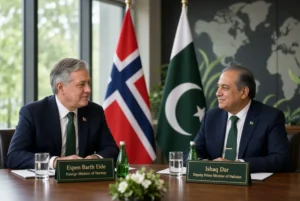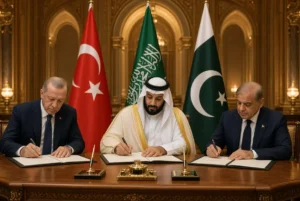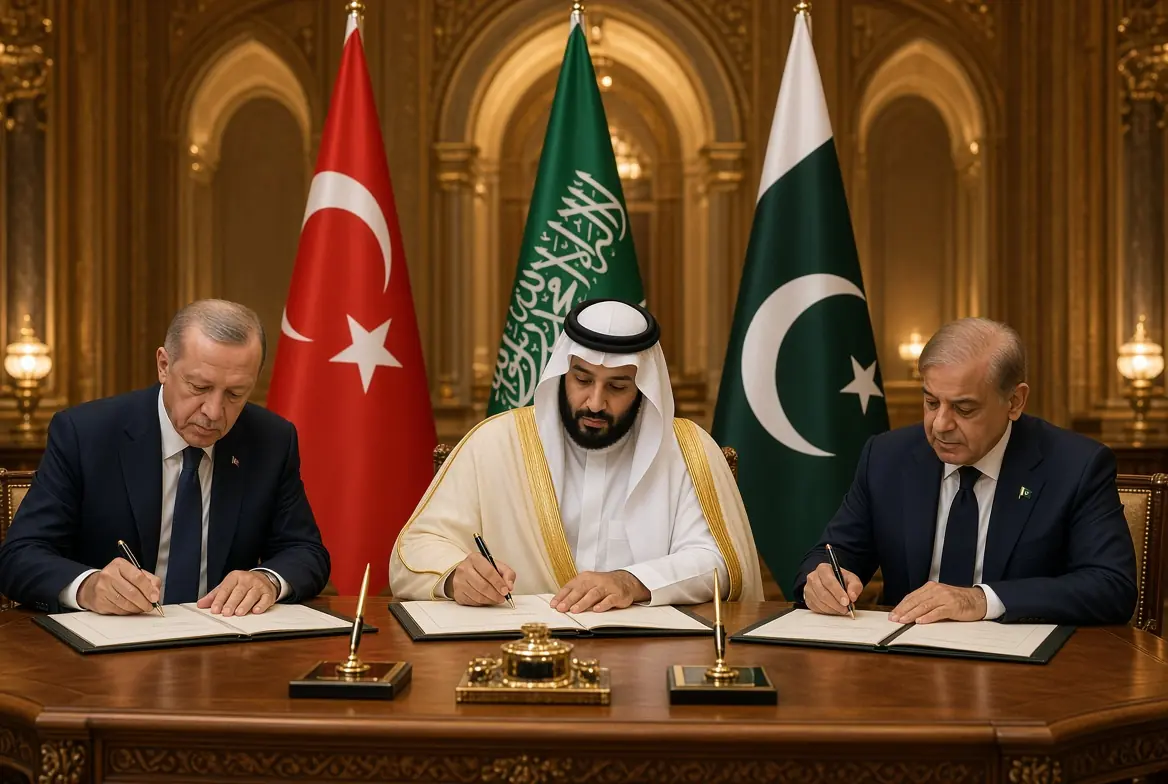

Turkish President Recep Tayyip Erdogan has shared his vision for expanding a new regional defence pact signed last week by Turkiye, Saudi Arabia, and Pakistan. Speaking to the London-based Asharq Al-Awsat newspaper, Erdogan made it clear that the agreement is not meant to stay limited to just these three nations. He expressed hope that more countries in the region will eventually join under its umbrella when the right conditions appear.
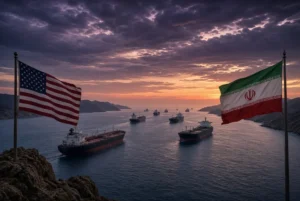
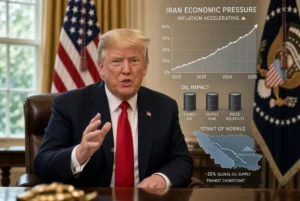
The Mecca Joint Defence Agreement was signed on Friday in Makkah. It comes at a time when the Middle East continues to feel the effects of the ongoing US-Iran war. The conflict has pulled in several regional players and caused major disruptions to shipping routes through the Strait of Hormuz and the Red Sea. The pact includes a strong mutual defence clause similar to NATO, meaning an attack on one member would be treated as an attack on all.
Turkish Foreign Minister Hakan Fidan has already indicated that Egypt is expected to join in the next stage. He told the Anadolu Agency that only a few technical issues remain. Fidan is scheduled to visit Cairo on Thursday and Friday. Egypt has not yet issued any official statement on the matter, though it maintains solid military cooperation with Ankara.
Erdogan explained that the agreement grew out of the new realities created by the five-month war. Regional countries are now looking to take greater responsibility for their own security instead of relying on outside powers. He stressed that regional problems should be solved by regional actors. Solutions brought in from abroad, he said, have often led to disasters rather than lasting peace.
The regional defence pact also aims to strengthen security cooperation and open doors for joint projects in the defence industry. Since the war began, ties between Saudi Arabia and Turkiye have improved significantly after years of strained relations. Erdogan noted that both countries plan to take further steps to elevate their partnership to much higher levels.
This new framework brings together three major US allies into an alternative security structure. It reflects a broader shift away from traditional reliance on external military dominance and seeks to create a more self-reliant approach to stability across the region.