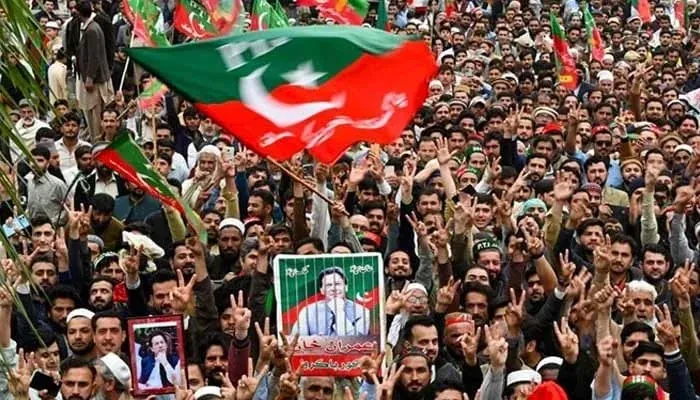

The Pakistan Tehreek-e-Insaf (PTI) is reportedly considering a major political move by stepping down from legislative assemblies due to what it describes as a shrinking political space for the opposition in the country.
Speaking on a television programme, Khyber Pakhtunkhwa Information Minister Shafi Jan stated that PTI leaders are facing restrictions that are preventing them from participating freely in political activities. He argued that while leaders from other political parties are actively campaigning in Gilgit-Baltistan ahead of the upcoming elections, PTI representatives have been denied similar opportunities.
According to Shafi Jan, several senior PTI figures, including Junaid Akbar, Asad Qaiser, Salman Akram Raja, and Shahid Khattak, were not allowed to take part in election-related activities in Gilgit-Baltistan. He said these developments have raised serious concerns within the party regarding democratic participation and political fairness.
The minister explained that remarks made by PTI Chairman Barrister Gohar Ali Khan regarding possible resignations from assemblies were linked to the challenges faced by party leaders in the region. He added that the matter will be discussed in detail during an upcoming meeting of the party’s political committee, where various options will be reviewed.
Shafi Jan emphasized that PTI wishes to remain part of the democratic process but believes that meaningful participation requires adequate political freedom. He noted that party members feel increasingly restricted and are evaluating their future course of action.
Earlier, senior PTI leader Asad Qaiser also suggested that the party was seriously considering withdrawing from the current political system if its concerns continued to go unaddressed. He stressed the importance of respecting the public mandate and called for a new Charter of Democracy to strengthen democratic institutions.
While no final decision has been announced, PTI leaders have indicated that multiple options remain under consideration. The party’s leadership is expected to discuss these matters further before deciding whether to continue within the existing political framework or pursue alternative strategies.