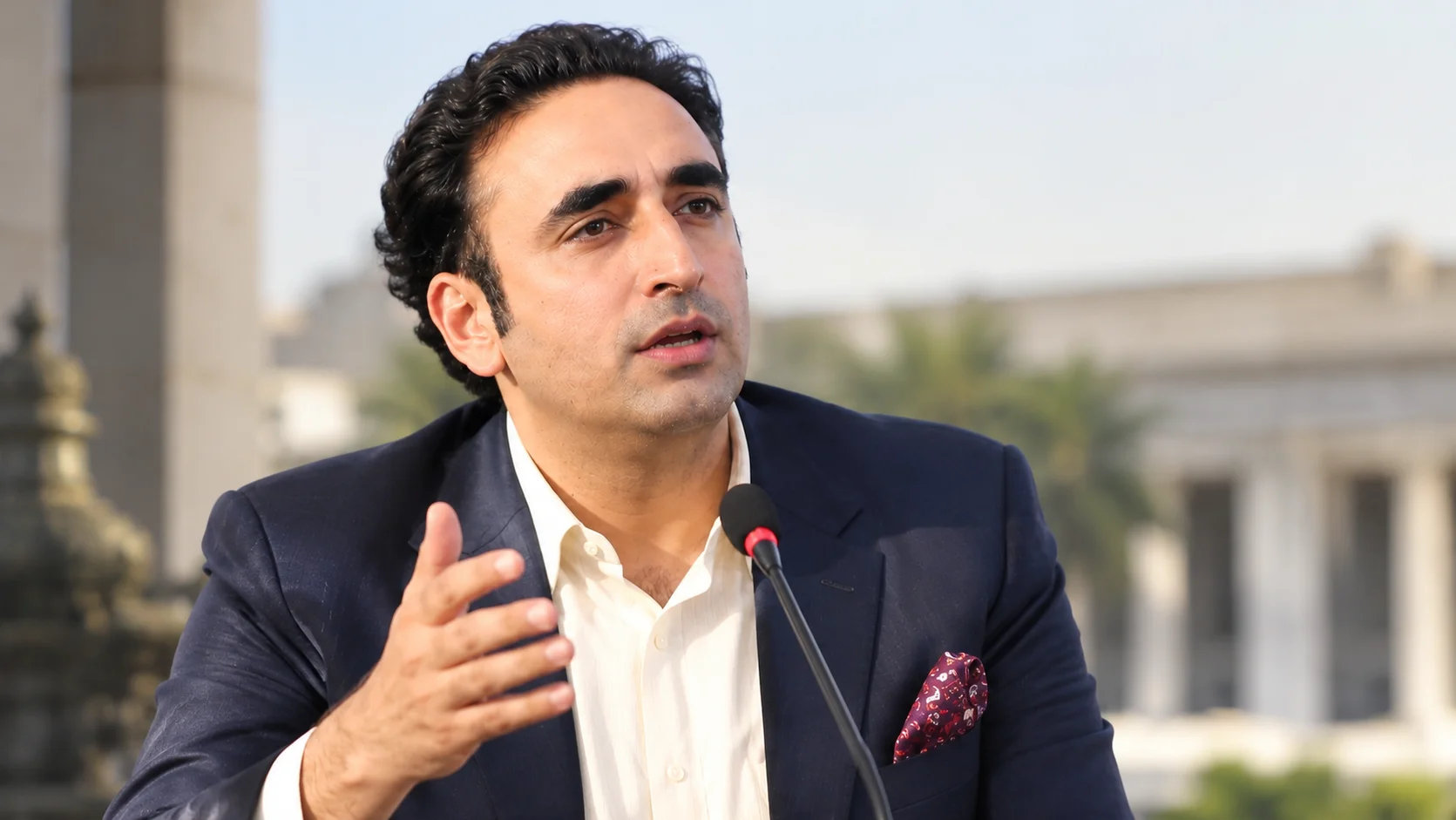

PPP and PML-N differences over judicial appointments have eased after the recent induction of key leaders into the Judicial Commission of Pakistan. Pakistan Peoples Party Chairman Bilawal Bhutto Zardari and Pakistan Muslim League-Nawaz Senator Rana Sanaullah have formally joined the Judicial Commission of Pakistan. Their appointments came after the resignations of PPP Senator Farooq H Naek and PML-N member Sheikh Aftab Ahmad. Bilawal now represents the treasury benches in the National Assembly while Rana Sanaullah represents the Senate.
These changes arrive at a time when the two coalition partners had shown clear differences regarding appointments to the superior judiciary. For months the PPP expressed strong dissatisfaction because it could not secure the commission’s approval for several of its preferred candidates. Senator Farooq H Naek had earlier proposed 33 names for high court positions. These included 16 for the Sindh High Court, 10 for the Lahore High Court, five for the Balochistan High Court and two for the Islamabad High Court. Reports indicated that most of these PPP-backed candidates failed to gain the required support during the relevant deliberations.
Sources familiar with the latest political talks now say the differences between PPP and PML-N have eased. They believe a fresh understanding between the coalition partners could open the door for some PPP-supported candidates to be reconsidered in future rounds of appointments. However, the exact details of any such understanding and whether specific names have been agreed upon remain unclear. Neither party has issued any public confirmation so far.
Bilawal’s entry into the commission holds special importance. The PPP had repeatedly demanded a greater say in the judicial appointment process. After its preferred candidates were not approved, the Presidency had also delayed clearance of many appointments. The composition of the Judicial Commission of Pakistan has become more significant following constitutional changes that increased parliamentary representation in the process. Final decisions still depend on the commission’s voting procedure.
The next meeting of the Judicial Commission of Pakistan is scheduled for October 13, 2026. The agenda reportedly includes the extension of the term of the constitutional benches of the Sindh High Court. Political observers are watching closely to see whether the improved understanding between the two parties will influence the outcomes of upcoming appointments.