
US Signs Major Deal to Boost Patriot and THAAD Missile Production
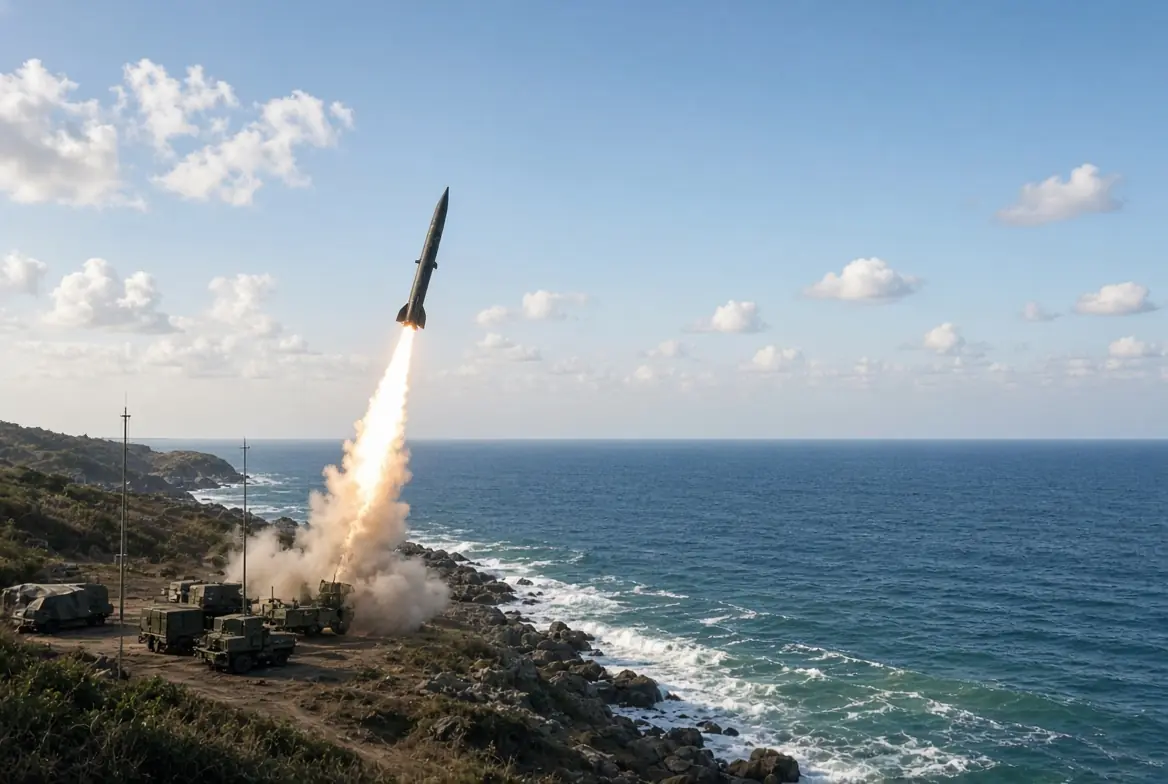
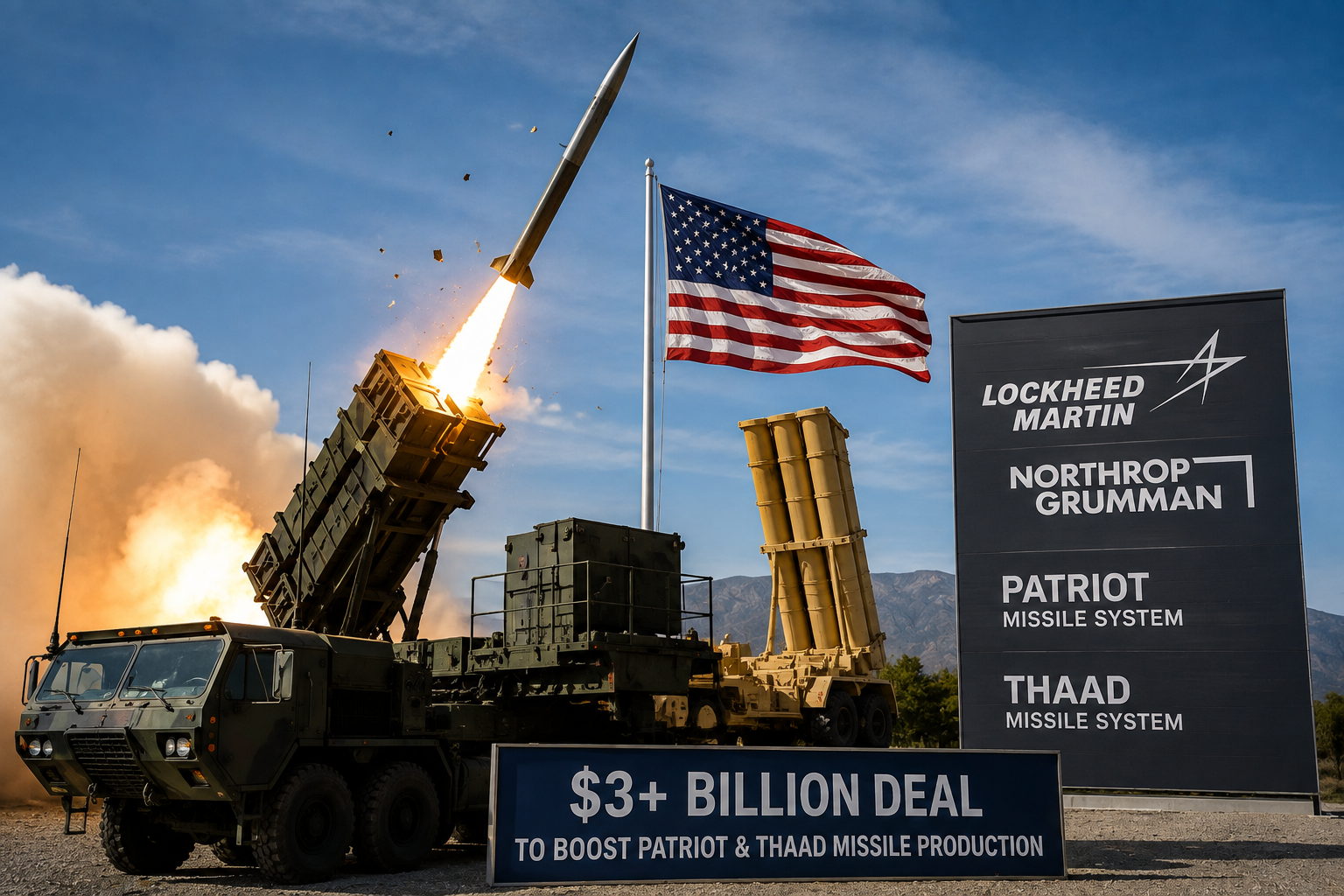
The United States has signed a major agreement worth more than $3 billion with Lockheed Martin and Northrop Grumman to increase production of key parts for Patriot and THAAD interceptor missiles. The Pentagon and Northrop announced the deal on Monday as ongoing conflicts in Iran and Ukraine continue to put pressure on American stockpiles.
This new framework agreement comes just days after Lockheed received a separate contract valued at up to $58.6 billion to manufacture more Patriot interceptor missiles. Officials explained that the latest deal will help triple the production rate of Patriot systems and quadruple the output of THAAD systems.
Recent estimates from the Center for Strategic and International Studies suggest the US military currently holds fewer than 1,000 Patriot interceptors and fewer than 250 THAAD interceptors. Both systems have seen heavy use in the Middle East, raising concerns about remaining inventories of critical air defense weapons.
The Pentagon noted that the agreement will create a second source for PAC-3 solid rocket motors and increase production of ignition safety devices. These steps are part of broader efforts to speed up missile manufacturing after earlier tentative production plans were discussed this year.
Ukraine has faced ongoing shortages of Patriot systems, which remain the only weapon in its arsenal capable of intercepting ballistic missiles. The United States has also supplied large quantities of arms to allies while using its own munitions in recent operations, further straining available stocks.
In a related move, the US has reached a similar framework deal with RTX, the parent company of Raytheon, to expand production of Tomahawk cruise missiles. Current annual output stands at about 60 units for American forces, with plans to eventually reach 1,000 missiles per year.
Defense officials emphasize that these contracts aim to restore and expand the nation’s air defense capacity at a time of heightened global demand. The agreements reflect a clear push to strengthen supply chains and ensure reliable access to advanced interceptor technology for both domestic use and support to partners.