
Global leaders are preparing to gather in Asia for a busy round of meetings that will cover trade, artificial intelligence, security and regional disputes. The schedule includes three major events over five days, starting with the final Asean leaders’ summit of the year in Manila.
French President Emmanuel Macron will attend a Francophonie summit in Phnom Penh around the same time. Attention will then shift to the Asia-Pacific Economic Cooperation conference in Shenzhen, where Russian President Vladimir Putin is expected to play a prominent role. US President Donald Trump and Canadian Prime Minister Mark Carney plan to attend both the Asean and APEC gatherings, while Indian Prime Minister Narendra Modi will join the Manila meeting.
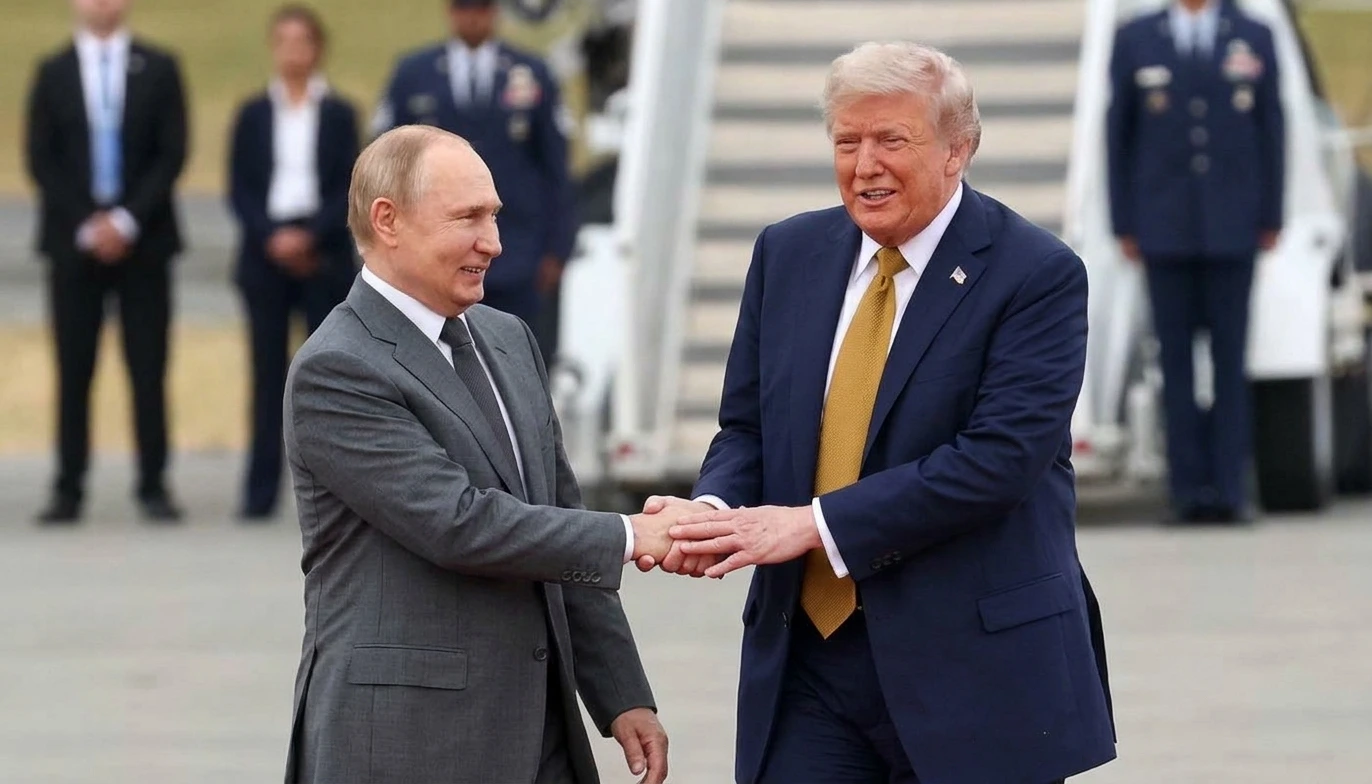
One of the most closely watched moments could be a possible meeting involving China’s Xi Jinping, Trump and Putin. While the exact agenda remains unclear, discussions may touch on Ukraine, denuclearisation and other security issues. Analysts caution that any talks are more likely to produce symbolic gestures than concrete breakthroughs. Expectations for major agreements are being kept low.
Artificial intelligence will also feature high on the APEC agenda. Xi and Trump earlier agreed to establish a communication channel for AI-related incidents. Both sides face pressure to show cooperation on shared risks such as bioweapons and infrastructure security, even as their tech rivalry continues.
In Manila, the Philippines is wrapping up its year as Asean chair. One key goal, the signing of a South China Sea Code of Conduct with China, appears unlikely to be achieved. Ongoing tensions in the disputed waters have overshadowed several regional meetings this year, and diplomats involved in preparations see little chance of a breakthrough.
Trade will remain a central topic at both forums. A temporary pause in the China-US trade dispute has been extended, but friction over rare-earth exports and broader tariff policies continues. Analysts say no major shifts in US trade policy toward the wider region are expected in the near term.
These back-to-back summits offer leaders a chance to address pressing global challenges while navigating complex rivalries. The outcomes will be watched closely for any signs of progress on AI governance, trade stability and regional security.