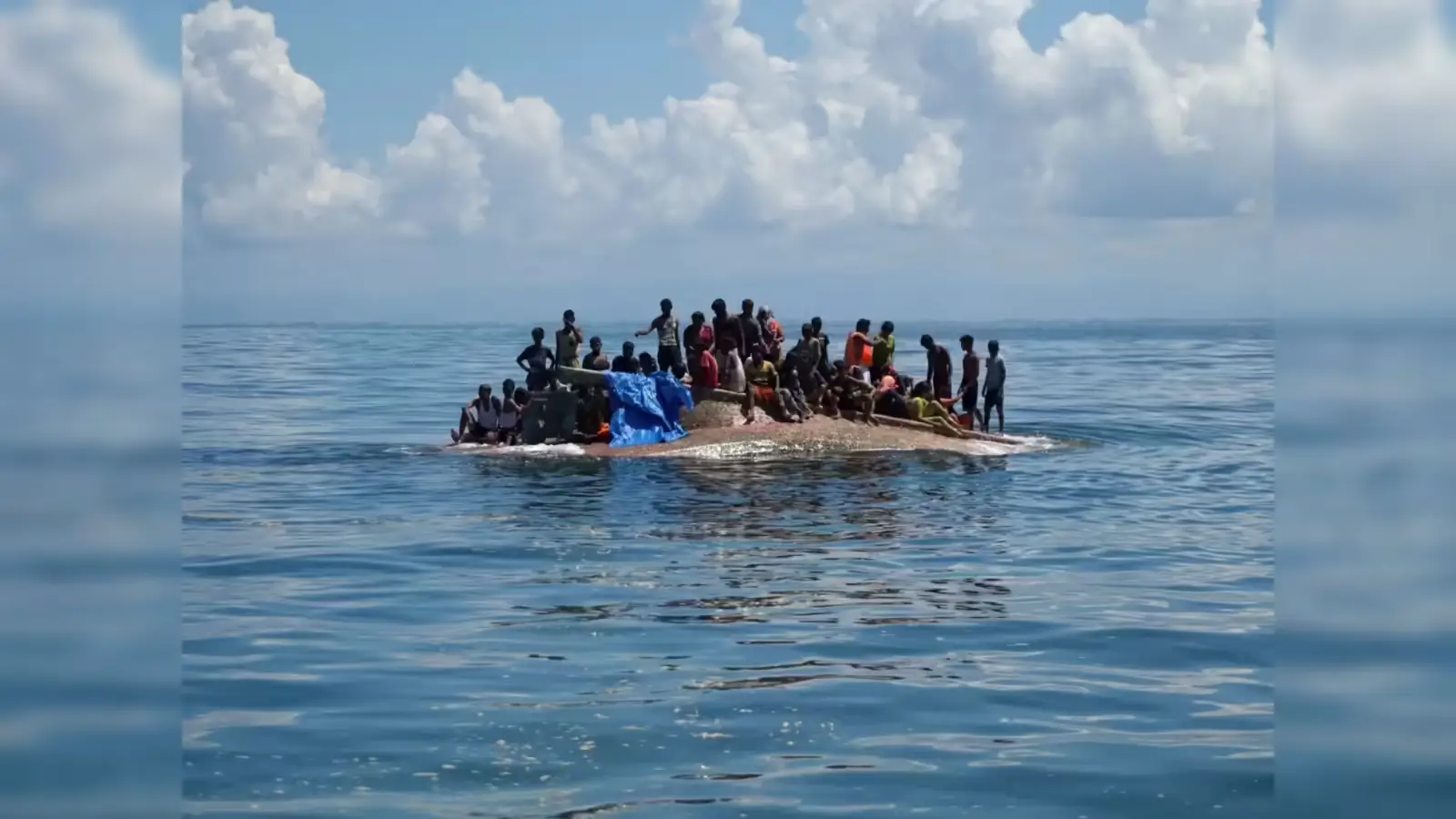

A tragic maritime disaster in the Andaman Sea has left around 250 people missing, according to statements from United Nations agencies. The ill fated boat, carrying Rohingya refugees and Bangladeshi nationals, reportedly capsized due to harsh weather conditions, strong winds, and overcrowding, highlighting the ongoing humanitarian crisis in the region.
The vessel had departed from Teknaf in southern Bangladesh and was headed toward Malaysia, a common destination for refugees seeking safety and better opportunities. On board were men, women, and children, many of whom were fleeing persecution in Myanmar or the difficult living conditions in refugee camps in Bangladesh.
According to the United Nations High Commissioner for Refugees and the International Organization for Migration, the incident reflects the severe risks faced by displaced populations. These journeys, often undertaken in unsafe and overcrowded boats, continue to result in devastating loss of life. The agencies emphasized that this tragedy underscores the urgent need for long term solutions for the Rohingya crisis.
For years, members of the Rohingya Muslim minority have attempted dangerous sea crossings to reach neighboring countries such as Malaysia, Indonesia, and Thailand. Many are driven by desperation, as conditions in refugee camps remain overcrowded with limited resources and opportunities.
The international community has been urged to increase funding and support for humanitarian efforts. Assistance is needed not only for refugees but also for host communities in Bangladesh, which continue to bear the burden of accommodating large displaced populations.
The roots of this crisis date back to 2017, when a military crackdown in Myanmar forced over 730,000 Rohingya to flee their homes. Reports of violence, including killings and destruction of villages, led to widespread condemnation and calls for accountability.
This latest tragedy serves as a painful reminder of the ongoing refugee crisis and the urgent need for coordinated global action to prevent further loss of life.