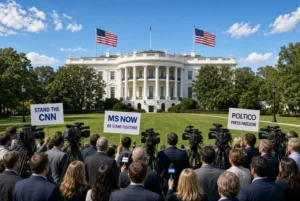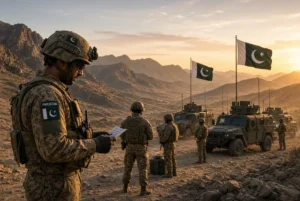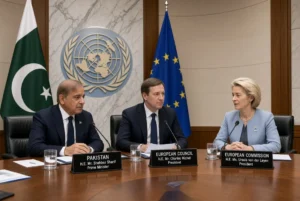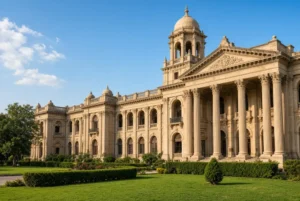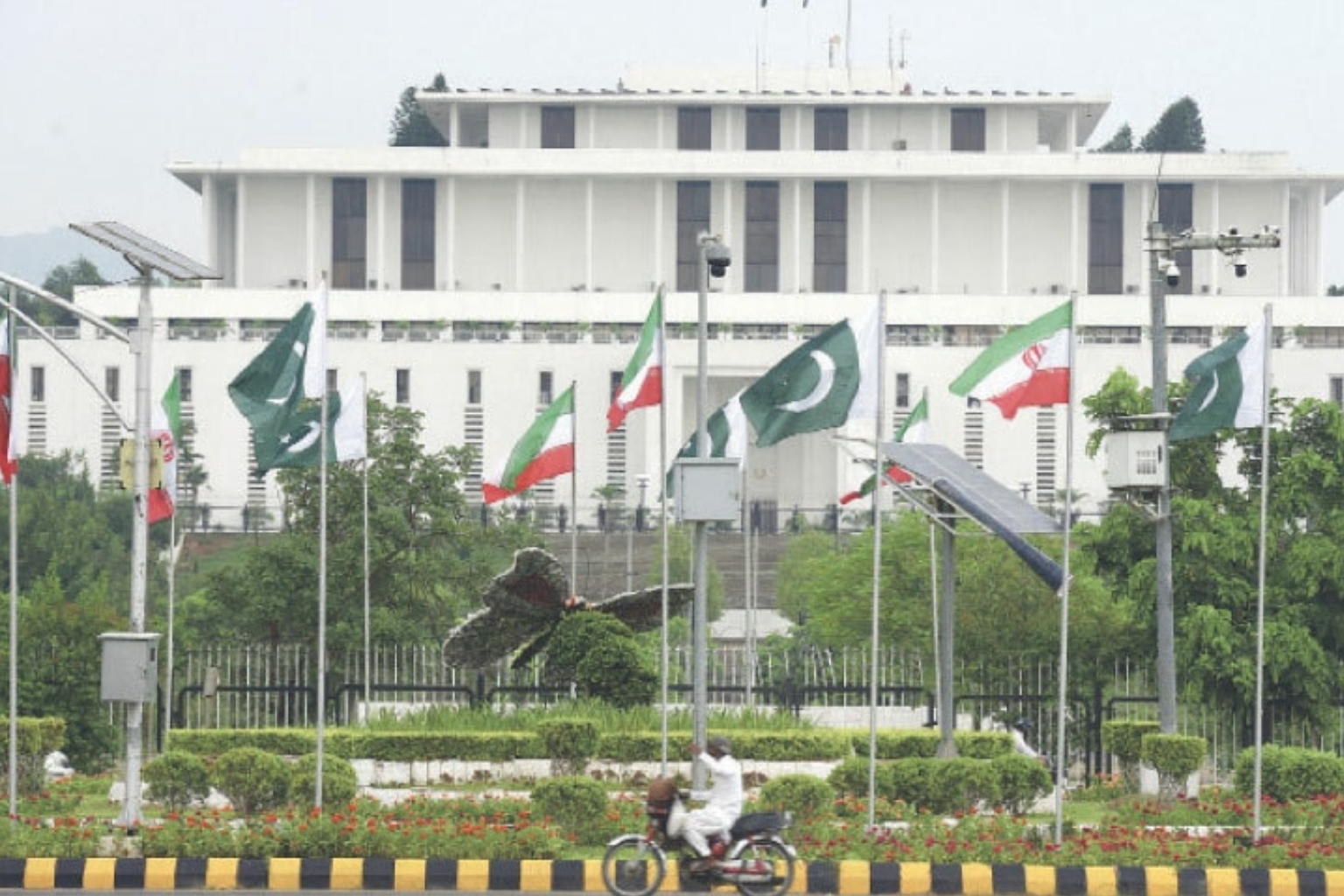

As the world turns its gaze toward the high-security Serena Hotel in Islamabad, Pakistan stands at the center of one of the most significant diplomatic efforts of the decade. These negotiations aim to bridge a canyon-sized gap between Washington and Tehran, moving from a fragile truce toward a lasting regional peace.
Here are the five critical elements of the Islamabad Talks:
1. The War That Sparked the Summit
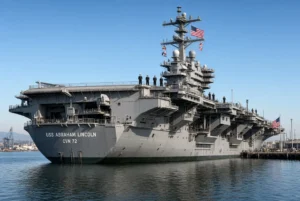
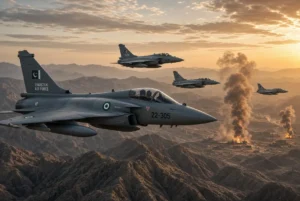
The current crisis was ignited on February 28, 2026, when the US and Israel launched coordinated strikes that killed Iran’s Supreme Leader, Ali Khamenei, and targeted over 2,000 military and nuclear sites. In a retaliatory move that paralyzed global trade, Iran effectively closed the Strait of Hormuz, a vital artery for 20% of global oil. The current talks stem from a two-week ceasefire brokered by Pakistan on April 8, which is set to expire on April 22.
2. Pakistan’s Unlikely Starring Role
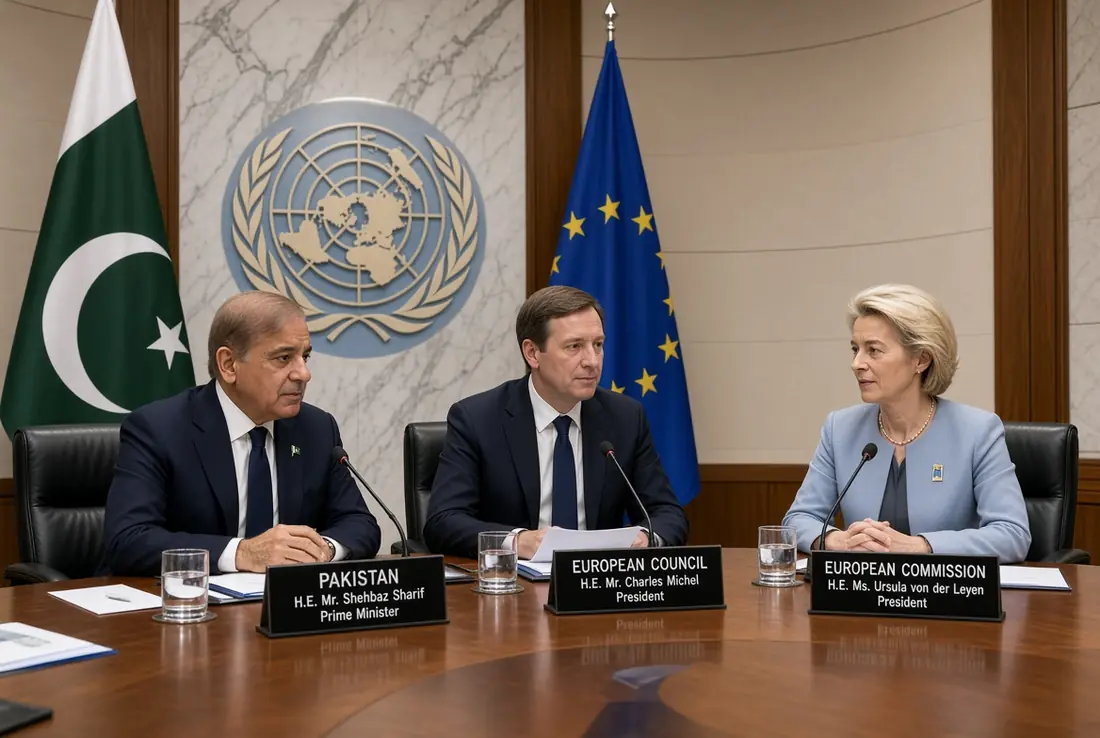
In a stunning diplomatic pivot, Pakistan has emerged as the sole nation capable of bringing both sides to the table. Leveraging its unique position—sharing a 900km border with Iran while maintaining long-standing ties with the US, Riyadh, and Beijing—Islamabad has transitioned from a country often defined by internal challenges to a premier global mediator. Foreign Minister Ishaq Dar and Army Chief Asim Munir have been instrumental in securing the presence of both delegations.
3. The “Make-or-Break” Agenda
The core disputes remain unresolved and deeply complex:
The US Proposal (15 Points): Focuses on nuclear enrichment limits, ballistic missile constraints, the release of detained Americans, and the unconditional reopening of the Strait of Hormuz.
The Iran Proposal (10 Points): Demands the unfreezing of tens of billions in assets, a permanent end to regional military operations, and—most controversially—transit tolls for ships passing through the Strait.
4. The “Lebanon Factor”
A major threat to the talks is the ongoing conflict in Lebanon. While Pakistan and Iran claim the ceasefire includes a halt to strikes on Hezbollah, Israel has rejected this, continuing its bombardment in southern Lebanon. Iranian President Masoud Pezeshkian has warned that if Lebanese “brothers and sisters” continue to be targeted, the Islamabad negotiations could become “meaningless.”
5. The Negotiators and the “Proximity” Format
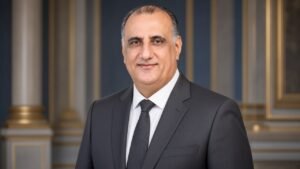
Because the two nations do not have formal diplomatic ties, the talks are being held in a “proximity format.” * The US Team: Led by Vice President JD Vance, with special envoy Steve Witkoff and Jared Kushner.
The Iranian Team: Expected to be led by Parliament Speaker Mohammad Bagher Ghalibaf and Foreign Minister Abbas Araghchi.
The Shuttle: The delegations are housed in separate wings of the same hotel, with Pakistani officials shuttling physical documents and proposals between the two rooms to facilitate dialogue without face-to-face contact.