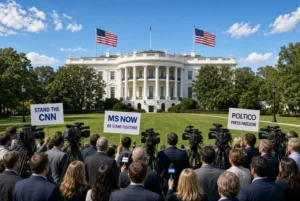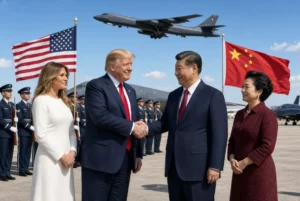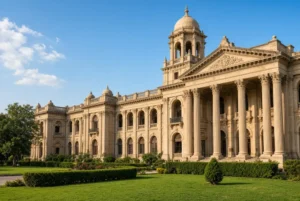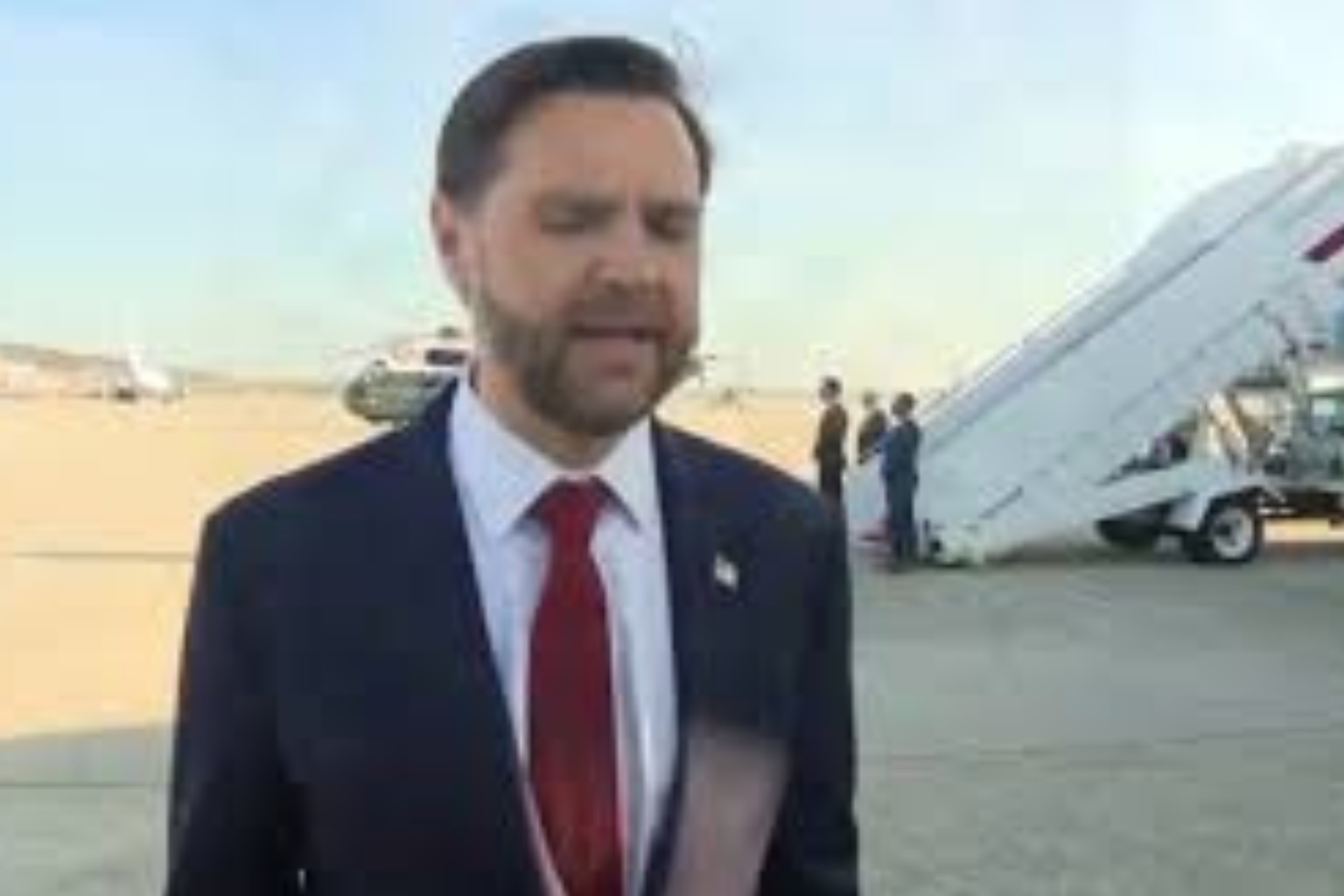

The diplomatic atmosphere in Pakistan’s capital is thick with anticipation as US Vice President JD Vance has arrived to lead a high-stakes delegation for peace talks with Iran. Before departing from Joint Base Andrews, Vance signaled a dual-track approach: a promise to “extend the open hand” if Tehran negotiates in good faith, coupled with a stern warning that the American team—including Jared Kushner and Steve Witkoff—will not be “played.”
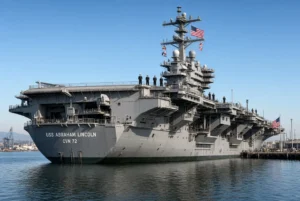
These negotiations, hosted in the heavily secured capital, are tasked with turning a fragile two-week ceasefire into a sustainable peace. However, the path forward is obstructed by “sensitive points” that have already caused friction. President Donald Trump has expressed public displeasure over Iran’s management of the Strait of Hormuz, accusing Tehran of a “very poor job” in facilitating oil flow. On the other side, Iranian officials, led by Parliament Speaker Mohammad Baqer Ghalibaf, have made it clear that their participation depends on the US honoring prior commitments, specifically the unfreezing of assets and a halt to military operations in Lebanon.
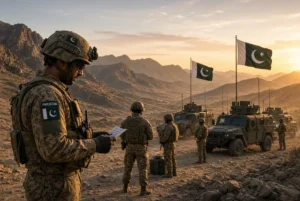
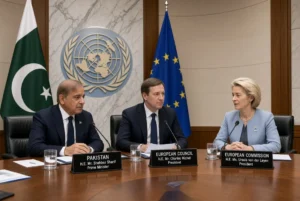
The agenda for the Islamabad Talks is set to be one of the most comprehensive in decades, covering nuclear enrichment, regional security, and the reopening of global trade routes. While Tehran’s Foreign Ministry has warned that ongoing Israeli strikes could render the talks “meaningless,” the Revolutionary Guards have notably signaled their continued commitment to the ceasefire. As the city remains under an unprecedented security lockdown, the international community waits to see if this Pakistani-mediated summit can bridge the deep-seated confidence gap between Washington and Tehran.