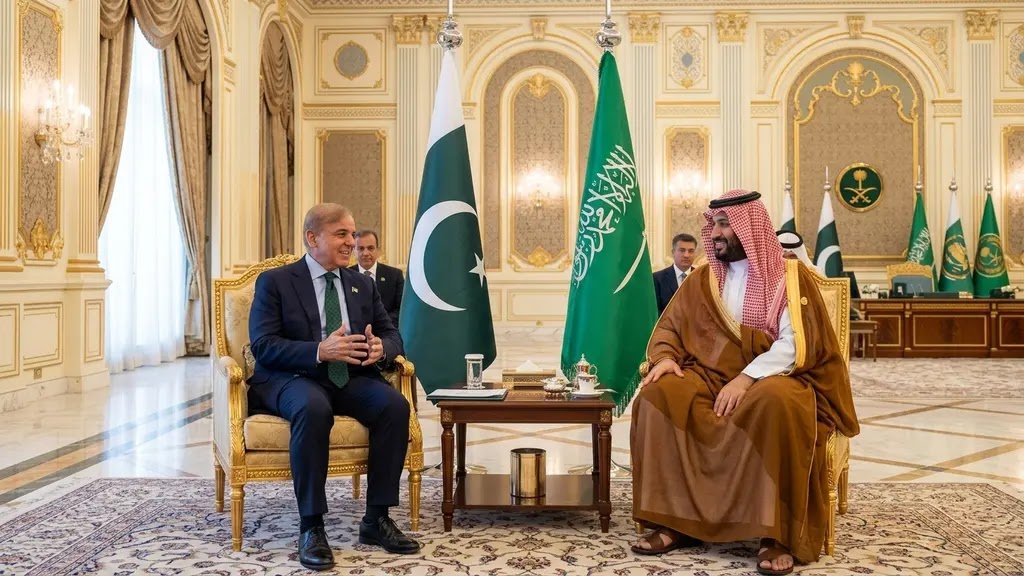
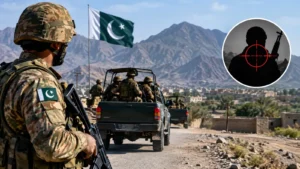
Pakistan, along with several regional players, is actively involved in urgent diplomatic efforts to secure an Iran US ceasefire, as tensions between the two nations continue to rise. According to recent reports, Pakistani, Egyptian, and Turkish mediators are working behind the scenes to push both sides toward a temporary 45 day ceasefire agreement.
Sources reveal that this proposed ceasefire could act as the first phase of a broader peace plan, potentially leading to a permanent end to the ongoing conflict. However, officials caution that the chances of reaching even a short term agreement remain low, especially within the next 48 hours, which is being described as a critical window to prevent further escalation.
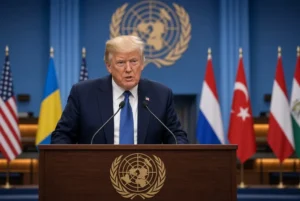
The situation has intensified after US President Donald Trump issued strong warnings to Iran, threatening large scale attacks on critical infrastructure if no agreement is reached. Reports suggest that military plans for major strikes are already prepared, raising fears of widespread destruction across the region.
The conflict has already seen weeks of missile strikes and air attacks, with Iran responding by targeting US bases and restricting access to the Strait of Hormuz, a key route for global oil supply. This has increased global concern, as any disruption could severely impact energy markets and regional stability.
Diplomatic channels remain open through direct and indirect communication, including messages exchanged between US envoy Steve Witkoff and Iran’s Foreign Minister Abbas Araghchi. Mediators are also exploring confidence building measures, such as partial reopening of the Strait and discussions on Iran’s uranium program.
Despite these efforts, Iran has maintained a firm stance, expressing concerns about temporary ceasefires that may not lead to lasting peace. Officials fear that any failed agreement could result in retaliatory attacks on energy and water facilities across the Gulf region.
As negotiations continue, the world watches closely, hoping that these last minute diplomatic efforts can prevent a major regional crisis