
Chinese authorities have officially banned the practice of entombing cremated remains inside residential apartments, a trend that had quietly spread across the country in recent years. These so-called “bone-ash apartments” were often located in barely occupied housing complexes, where families placed urns and memorials for their loved ones.
The appeal of these apartments was clear: they were far cheaper than cemetery plots and gave families more control over rituals and remembrance. Some even saw them as a dual-purpose investment, combining property ownership with a sacred resting place.
However, new regulations now prohibit the use of residential dwellings for ashes, marking a decisive move by the government to curb this unconventional practice. Reports suggest that such apartments were easy to spot, with sealed windows, drawn curtains, and memorial setups inside.
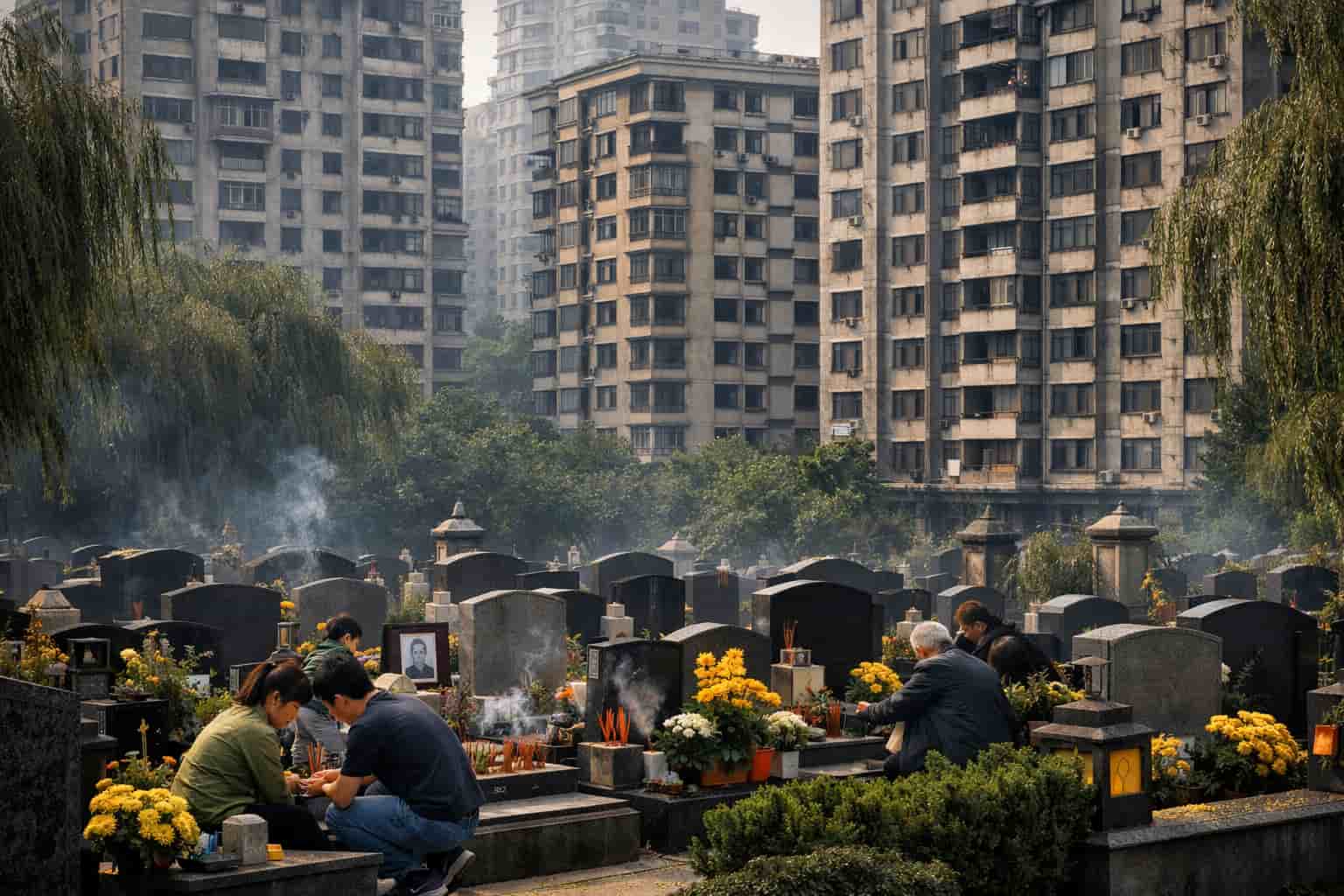
The timing of the ban is significant, coming just before the Qingming Festival, also known as Tomb Sweeping Day, when families traditionally visit graves to clean them and make offerings. Authorities have emphasized that human remains must only be buried in designated cemeteries, reinforcing traditional norms.
The demand for cemetery plots continues to rise as China’s aging population leads to more deaths than births. At the same time, funeral costs have soared, with surveys showing expenses reaching nearly half of the average annual salary in 2020. To address this, China’s market watchdog has introduced new rules against fraud and hidden fees in funeral services, aiming to ease the financial burden on families.
Meanwhile, the property sector crisis persists, with falling apartment prices and stalled construction projects. This economic backdrop had made bone-ash apartments an attractive alternative, but the government’s ban now closes that option.
Ultimately, the move reflects China’s effort to balance cultural traditions, economic realities, and social order, ensuring that mourning practices remain respectful and regulated.