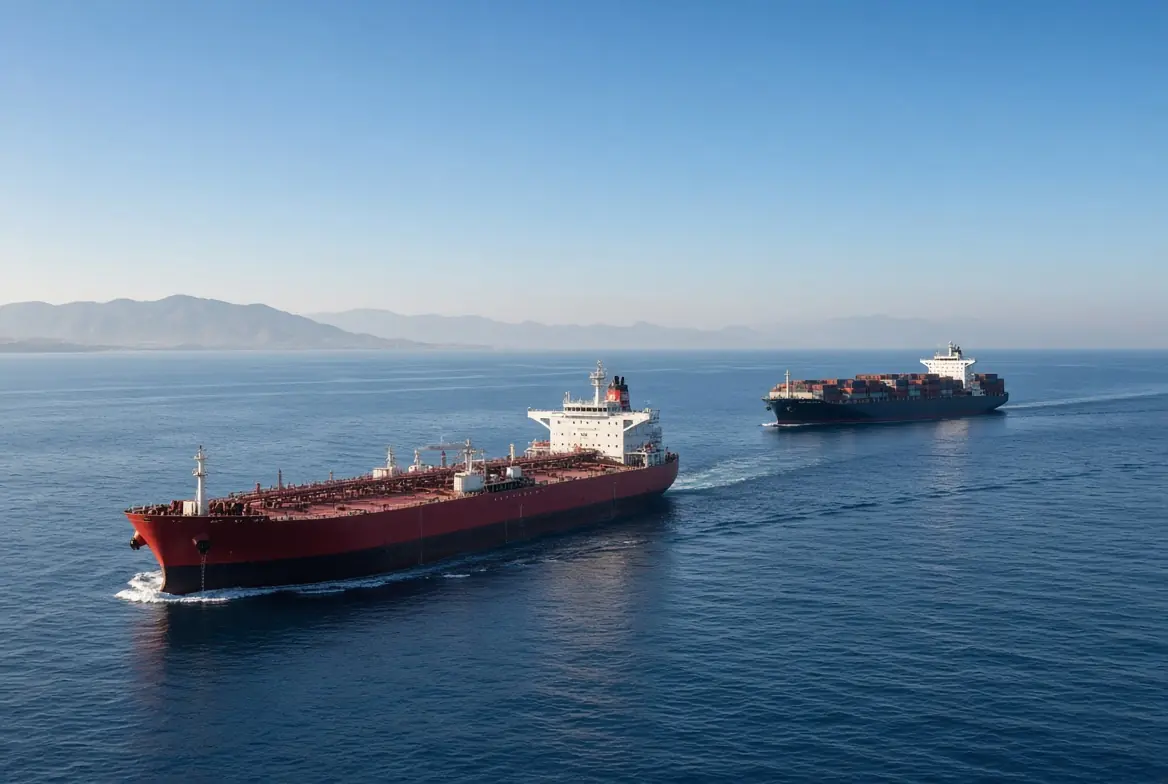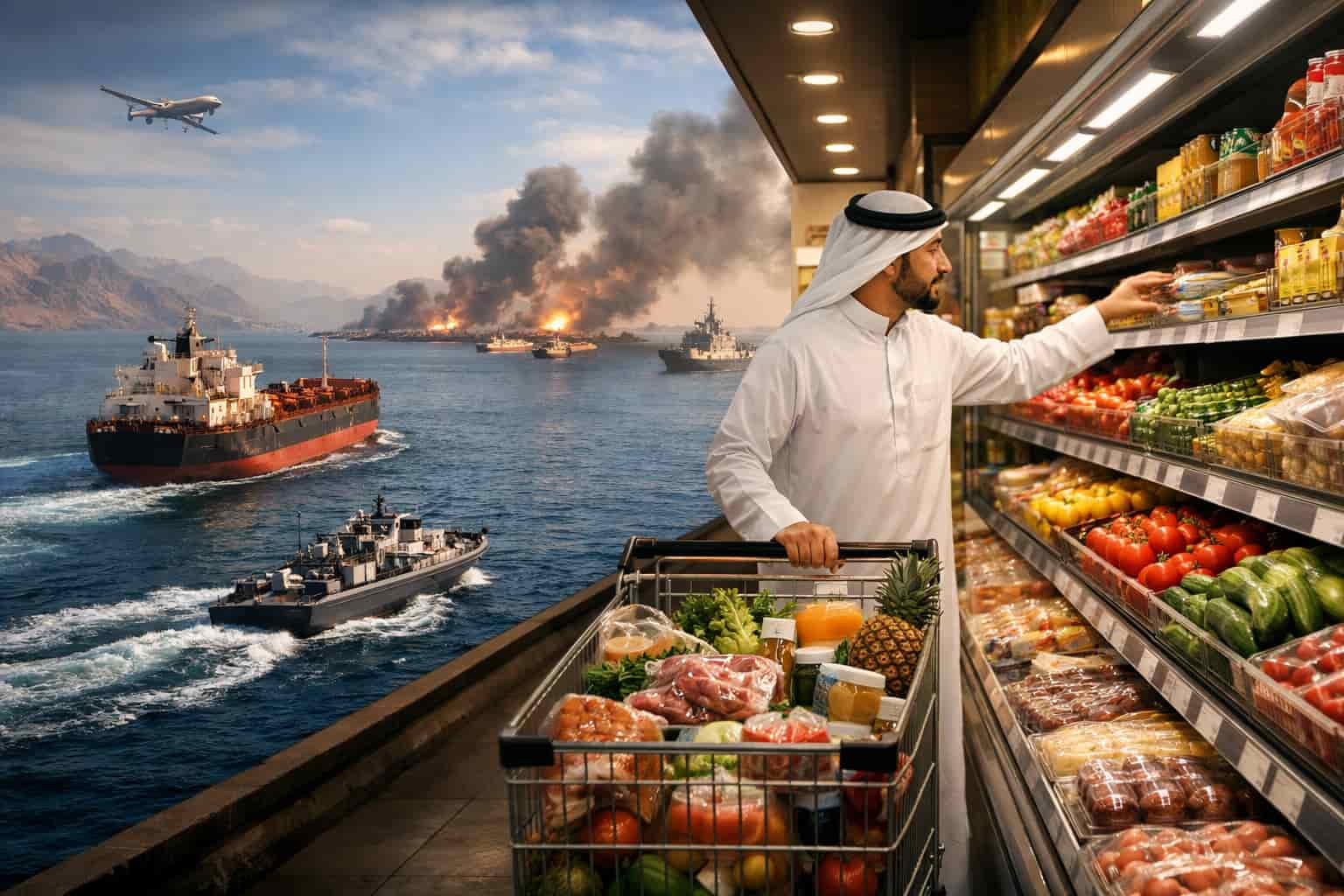

The Strait of Hormuz, one of the world’s most strategic shipping routes, has become the center of a growing crisis that is directly affecting the food supply in the Gulf region. With the ongoing conflict involving Iran, the US, and Israel, the blockade of this narrow passage has disrupted the flow of essential goods, driving up food prices across several Gulf states.
In Bahrain, shoppers like Mahmoud Ali still find shelves stocked, but the cost of meat has nearly doubled. This small monarchy, like many of its neighbors, relies heavily on imports to feed its population. The closure of the Strait has forced ships to reroute, creating delays and higher costs. Major ports in the UAE, Qatar, Kuwait, and Bahrain have either suspended or reduced cargo operations, while air transport is also struggling due to frequent drone and missile attacks.
Countries with alternative routes are faring better. Saudi Arabia, with access to the Red Sea, has positioned itself as a vital hub, expanding its logistics networks to handle diverted cargo. The UAE claims to have several months of food reserves, while Qatar has invested in strategic stockpiles since its 2017 blockade. However, Bahrain and Kuwait are already feeling the pinch, with authorities freezing prices of basic goods and subsidizing imports to ease the burden on consumers.
Retail giants like Lulu Hypermarket are stepping in, chartering special flights to bring in fresh produce. So far, more than 6,000 tons of fruits, vegetables, and meat have been flown in to stabilize supply. Yet, experts warn that if the conflict drags on, the Gulf faces a tangible risk of a price spiral, especially for perishable goods imported from Asia.
The situation highlights the region’s vulnerability to geopolitical shocks and its dependence on external supply chains. While temporary measures are keeping shelves stocked, the rising food bills are a stark reminder of how fragile the Gulf’s food security remains.