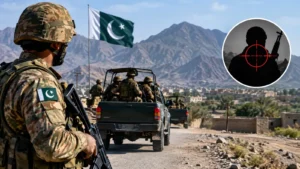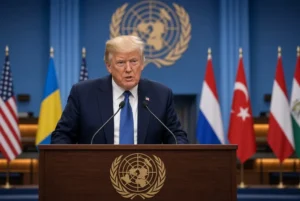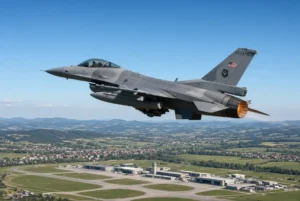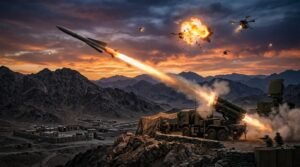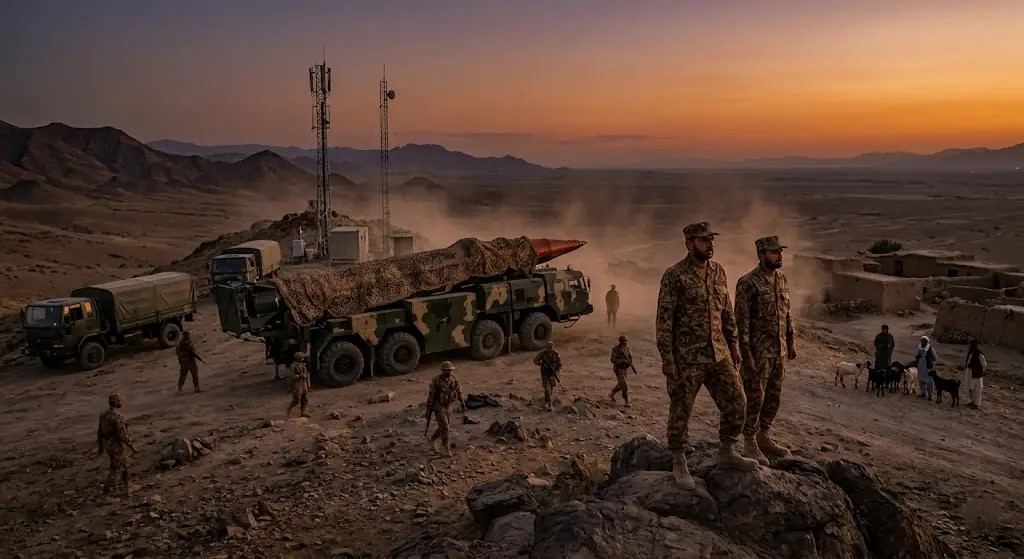

In a significant shift in American security assessments, Director of National Intelligence Tulsi Gabbard has raised alarms regarding the expansion of Pakistan’s missile capabilities. During her presentation of the 2026 Annual Threat Assessment to the Senate Intelligence Committee, Gabbard identified Pakistan as a burgeoning strategic concern. She specifically warned that the nation’s evolving long-range systems, which may eventually include intercontinental ballistic missiles (ICBMs), could potentially place the American homeland within striking distance.
This report places Pakistan in a category alongside global powers like Russia, China, and North Korea, as well as Iran. According to the intelligence community, these nations are actively researching advanced missile delivery systems capable of carrying both nuclear and conventional payloads. The assessment projects a staggering surge in global missile inventories, estimating that numbers could jump from 3,000 to over 16,000 by the year 2035. This rapid proliferation is forcing the United States to reevaluate its deterrence posture and missile defense strategies.
However, the claims have met strong resistance from Pakistani officials. Former ambassador Jalil Abbas Jilani dismissed the idea of a direct threat to the United States, clarifying that Pakistan’s nuclear doctrine remains strictly India-centric. He emphasized that Islamabad’s strategic focus is on regional stability and deterrence rather than global power projection. Other analysts have pointed out the selective nature of these threats, questioning why similar scrutiny is not applied to India’s growing ICBM program.
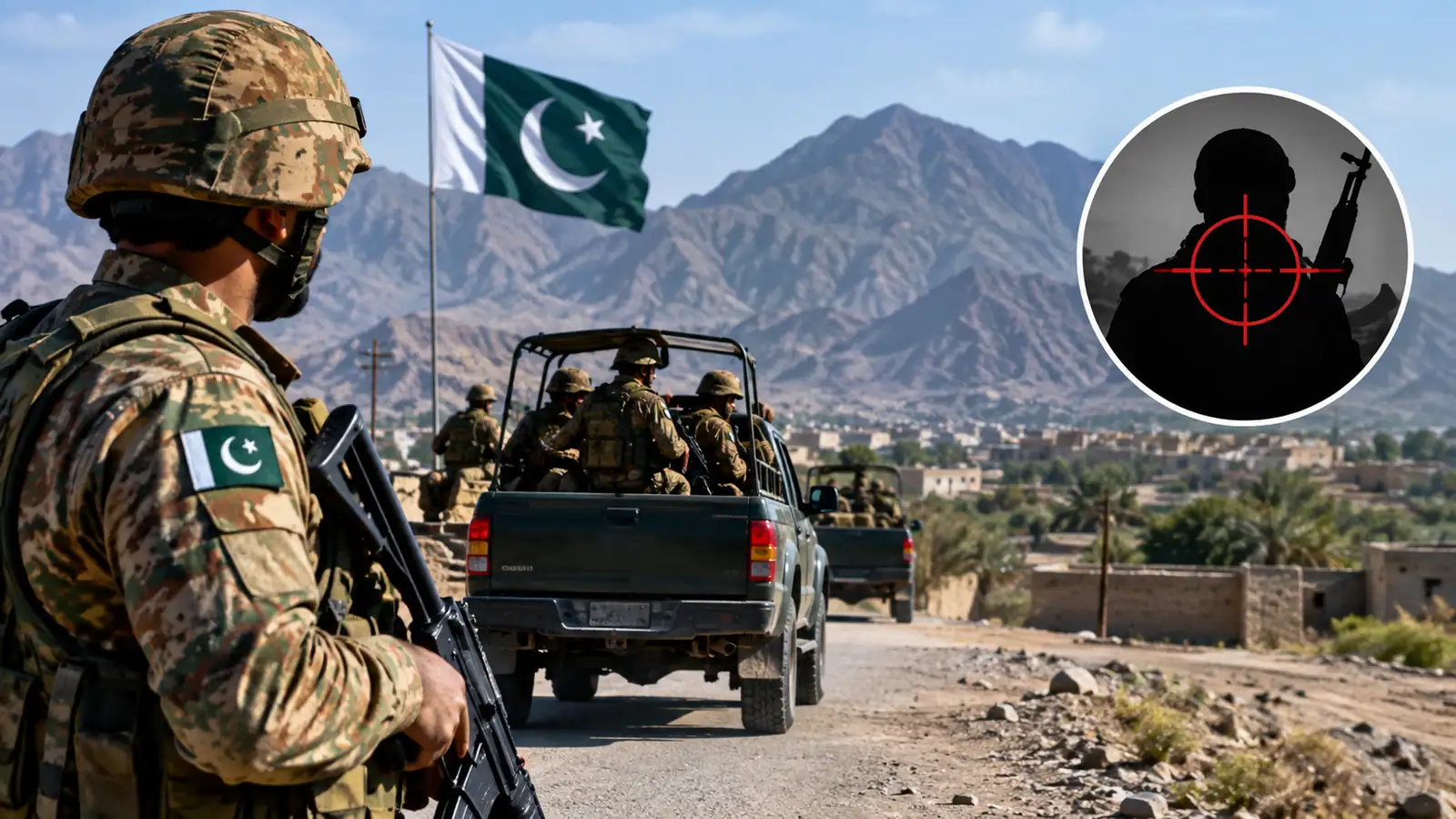
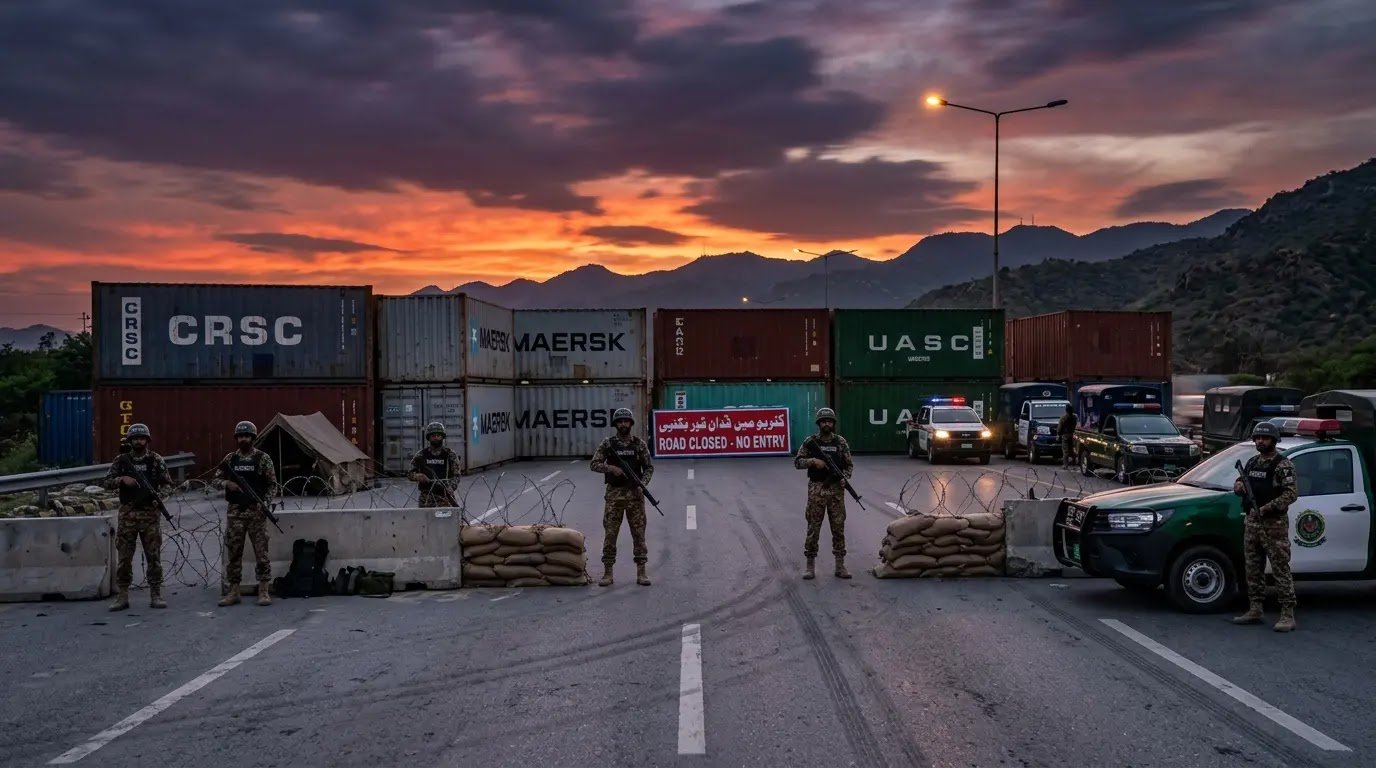
Beyond the missile concerns, the report highlighted the volatile nature of South Asian security. It noted that the relationship between India and Pakistan continues to be a risk for nuclear conflict, particularly following recent escalations like the Pahalgam attack. While current assessments suggest neither side seeks open warfare, the presence of terrorist actors remains a dangerous catalyst for future crises. Furthermore, the ongoing friction along the Pakistan-Afghanistan border adds another layer of complexity to the regional security landscape as Islamabad grapples with cross-border militant activity.