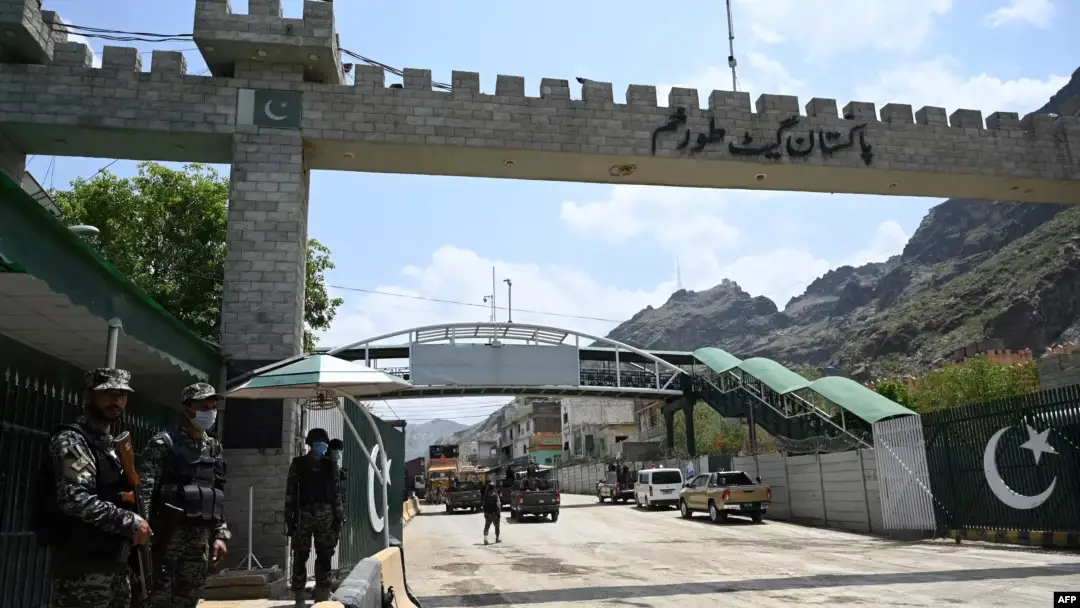

The month-long Torkham border closure between Pakistan and Afghanistan has resulted in an estimated $4.5 billion trade loss, causing major disruption across multiple sectors. Reports reveal that Pakistan’s exports and imports worth over Rs. 16.5 billion were halted, severely affecting businesses and supply chains nationwide.
Industries in Khyber Pakhtunkhwa, Punjab, and Sindh have faced delays in production, shipping, and deliveries due to the shutdown. This prolonged disruption has also weakened Pakistan’s trade dominance in Afghanistan. Experts estimate a 65% loss in market share, as countries like Iran, Turkiye, and Central Asian states stepped in to fill the trade vacuum.
Business leaders are calling on the government to take immediate action to restore trade routes and support exporters through favorable policies. They emphasize that trade should remain separate from political disputes, as continuous restrictions damage not only business relations but also employment and industrial growth.
Reopening the border is now seen as crucial for restoring regional trade confidence. Experts urge the implementation of trader-friendly measures, streamlined logistics, and faster approvals for exporters. These steps could help Pakistan regain its lost footing in Afghanistan’s market, revive economic activity, and rebuild long-term bilateral trade relations.