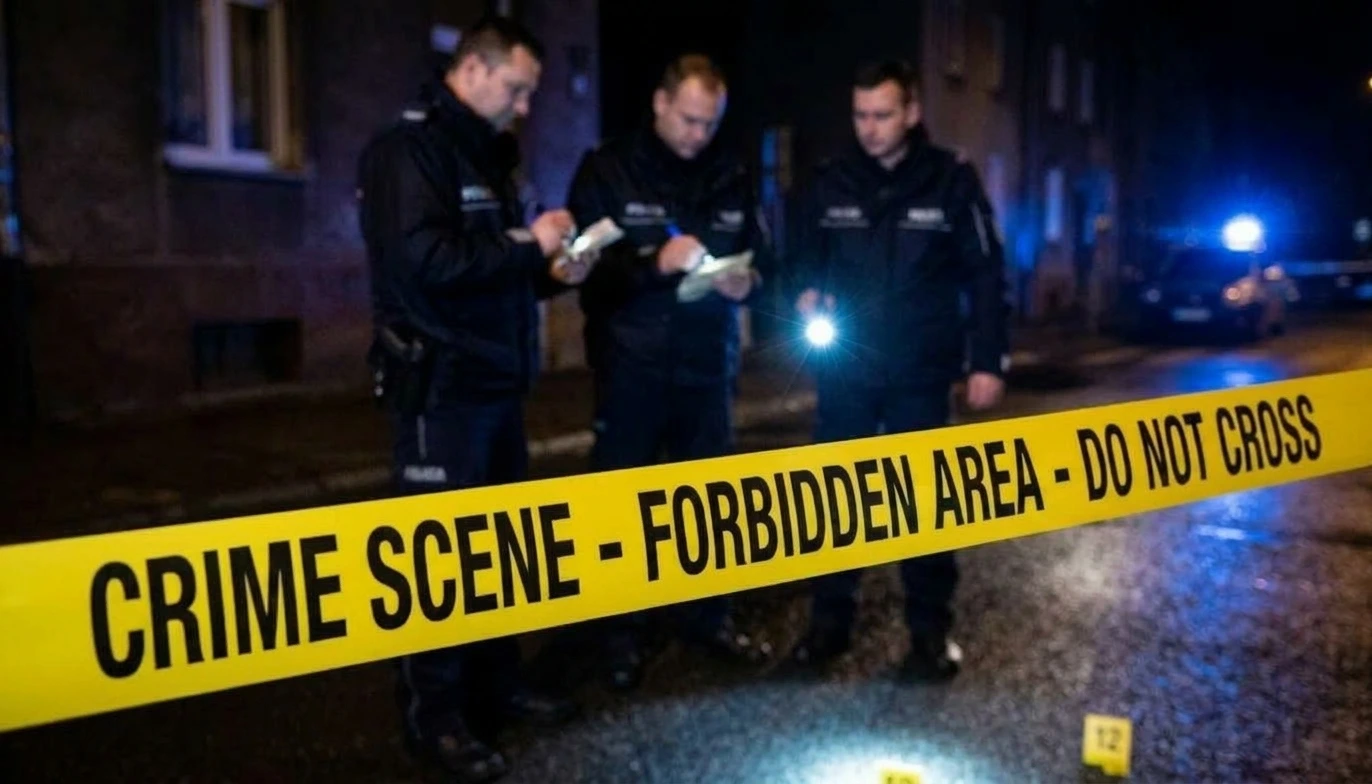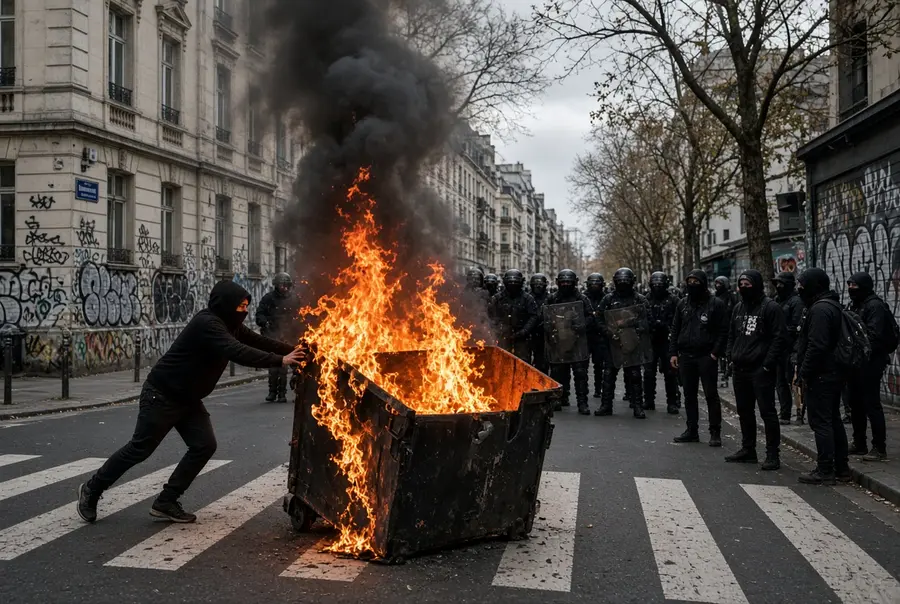

High school students and police clashed in several French cities on Friday as protests over classroom conditions grew more intense. In Strasbourg, tear gas filled the streets. In Marseille, protesters aimed fireworks at police lines. In Rennes, rubbish bins burned. Skirmishes also broke out in Paris, where students held placards saying they have a future to build, not to endure.
The unrest started in the Paris region last week and quickly spread nationwide. Justice Minister Gerald Darmanin said police have arrested more than 2,000 people, most of them teenagers, since the protests began. He suggested that parents of those who damage property should pay reparations. About 400 high schools, roughly one in ten across the country, closed on Friday because of the disorder. Education Minister Edouard Geffray urged parents to keep their children away from the streets, warning that young people face real danger there.
Students are angry about overcrowded classrooms, frequent teacher shortages, and run-down school buildings. Many say years of underinvestment have left them without enough chairs or even enough time to eat lunch. Fifteen-year-old Kesia from a Paris suburb described classes of 35 students and a one-hour lunch break that is too short for everyone. Under the draft 2027 budget, education funding will rise by only 1.7 percent, below the rate of inflation, to 65.53 billion euros. Debt costs will soon overtake education as the largest budget item.
President Emmanuel Macron’s government remains deeply unpopular six months before the presidential election. Planned budget cuts have only added to the frustration. Intelligence reports claimed the hard-left France Unbowed party helped start the movement, but the party strongly denied the charge and accused the government of politicizing the protests.
Students and rights groups have criticized police for using batons, tear gas, and flash-ball guns against minors. Amnesty International called for an end to excessive force. The interior ministry has opened three investigations into alleged police violence. In a sign the movement could grow, some high school students in Liège, Belgium, also began protesting.