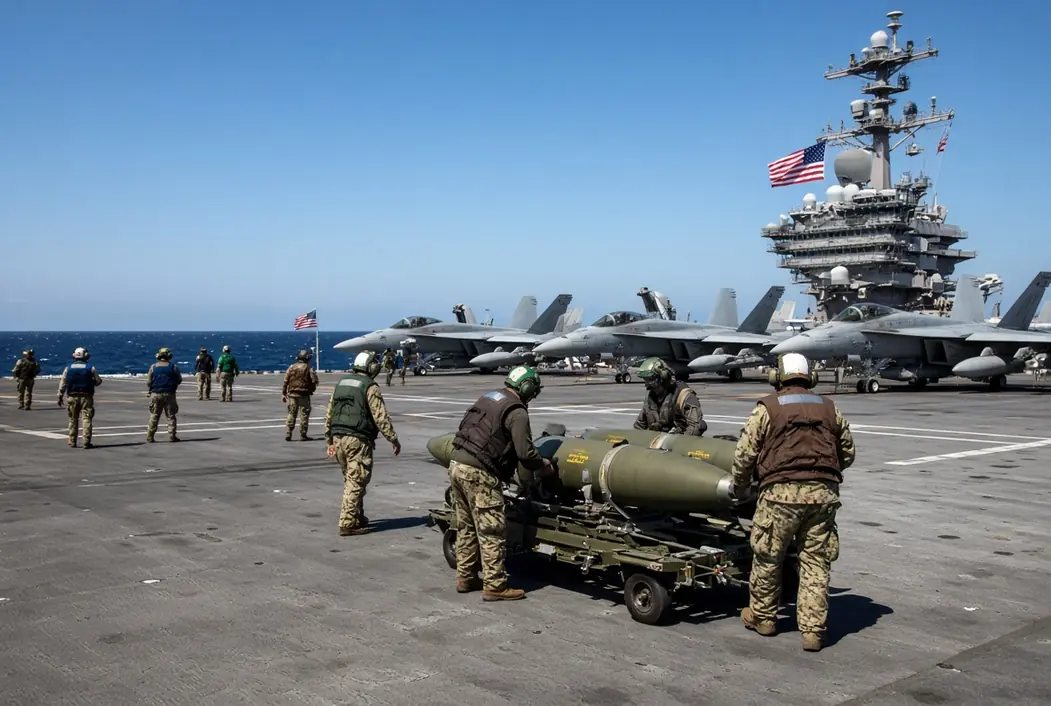

The United States has spent an estimated $37.5 billion on its military campaign against Iran, according to US Defense Secretary Pete Hegseth. The updated figure was revealed during a Senate Appropriations Committee hearing, where lawmakers questioned the growing financial burden of the conflict and the administration’s request for additional defense funding. The announcement comes at a politically sensitive time as the country prepares for the upcoming midterm elections, with the war becoming a major issue in Washington.
During the hearing, Hegseth explained that the $37.5 billion estimate includes both the direct costs of ongoing military operations and projected expenses through September 30. Although the Pentagon has not released a detailed breakdown of the spending, officials stressed that the conflict has placed significant pressure on the military budget. Earlier estimates suggested the first few days of the campaign alone had already cost billions of dollars, showing how rapidly expenses have increased.
The Pentagon is now seeking nearly $90 billion in supplemental funding, with most of the request aimed at supporting military operations related to the Iran conflict. In addition, the Defense Department has proposed a $1.5 trillion defense budget for 2027, arguing that increased funding is necessary to maintain military readiness, replace equipment, and support future defense capabilities. Hegseth warned lawmakers that without additional resources, military training, maintenance programs, and operational preparedness could be affected.
Several Democratic lawmakers criticized the administration for providing limited information about the conflict and questioned whether the military campaign could evolve into another prolonged overseas war. They also expressed concern about statements suggesting expanded military operations inside Iran, warning that further escalation could increase regional instability and humanitarian risks.
The war has already had a significant impact on the US military. Pentagon officials reported that 18 American service members have been killed, while approximately 430 troops have been injured since the conflict intensified. Although most injured personnel have returned to active duty, military leaders acknowledged that the prolonged fighting is placing additional strain on defense resources.
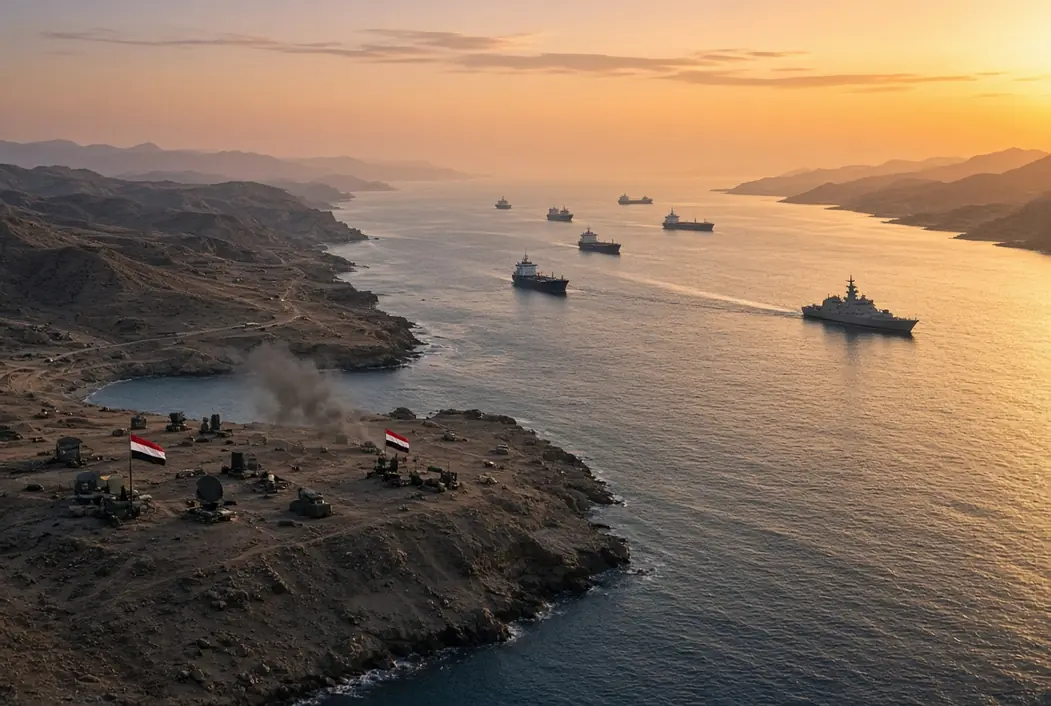
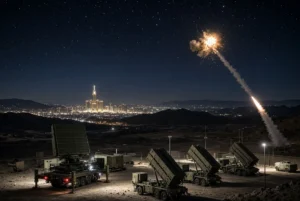
With the ceasefire collapsing earlier this month, both the United States and Iran continue to exchange daily strikes. As Congress debates emergency funding requests, the financial, political, and military consequences of the conflict are expected to remain at the center of national attention.