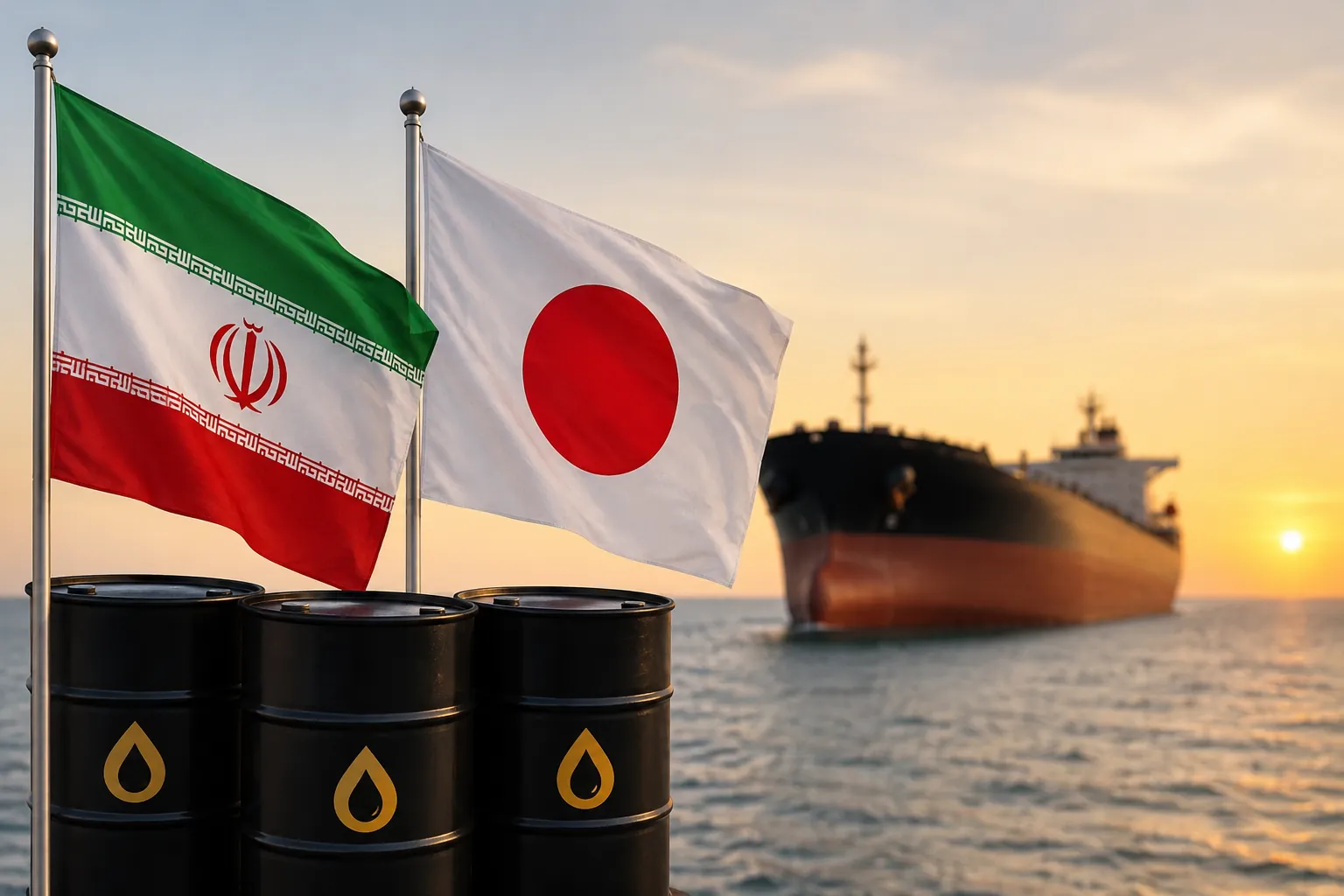

Iran has started preliminary discussions with Japanese companies to explore the possibility of resuming crude oil exports after receiving a temporary US sanctions waiver. The waiver, granted on June 22, allows limited oil sales during the ongoing 60 day peace negotiations between Tehran and Washington. However, it is scheduled to expire on August 21, creating uncertainty for potential buyers.
According to sources familiar with the matter, three Japanese companies are considering importing Iranian crude oil for the first time since 2019. These early discussions remain at an initial stage, with both Japanese firms and Iranian officials assessing the feasibility of future shipments.
Industry experts say Japanese buyers are seeking a longer sanctions waiver before making any purchasing commitments. They are also requesting assurances regarding the safety of oil tankers, particularly because vessels must pass through the Strait of Hormuz, one of the world’s most strategically important shipping routes.
A senior Iranian official stated that extending the US waiver would be necessary because shipping crude oil from Iran to Japan takes considerable time. The official added that exports would likely depart from Kharg Island using Japanese operated tankers if agreements are finalized.
Meanwhile, Iran’s National Iranian Oil Company (NIOC) has reportedly contacted several of its former customers, including Japanese refiners, expressing its interest in restoring long standing energy partnerships if sanctions are eventually lifted through a permanent peace agreement.
Despite growing optimism, security concerns remain a major obstacle. Recent tensions in the Strait of Hormuz, including reports of attacks on commercial vessels and warnings about floating mines, have increased risks for shipping companies. Analysts also believe that obtaining marine insurance for tankers operating in the region could become the biggest challenge for importers.
For now, the temporary waiver may not significantly boost purchases from major Asian refiners due to existing contracts and sufficient inventories. However, the ongoing talks signal that Iran is actively preparing to re-enter global energy markets if diplomatic negotiations continue to make progress.