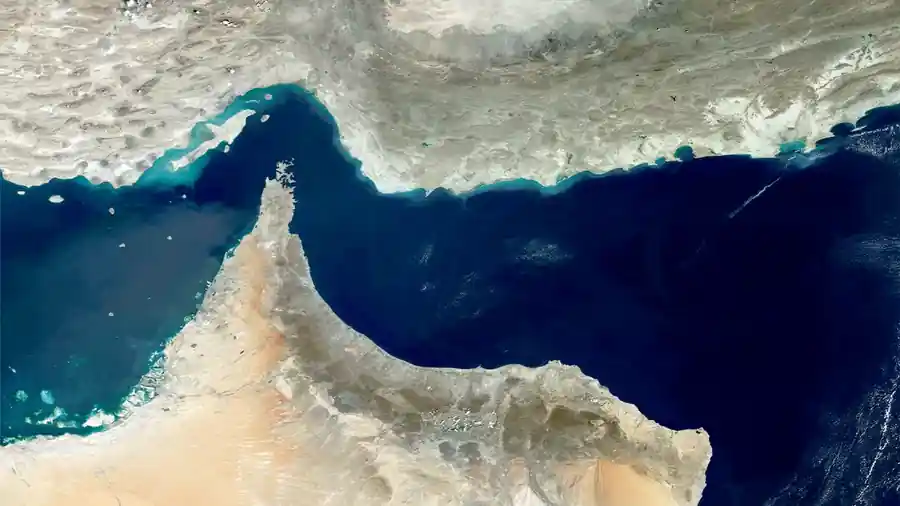

Iran has warned that any attempt to change or bypass the current shipping routes through the Strait of Hormuz could further increase Middle East tensions and delay efforts to restore normal maritime traffic. Iranian Foreign Minister Abbas Araghchi said Tehran will continue to maintain full oversight of the strategic waterway for the next 30 days, urging all parties to respect the existing agreement and avoid actions that could worsen the regional situation.
The warning comes as the fragile ceasefire between Iran and the United States faces fresh challenges. Both countries have accused each other of violating the agreement, while military exchanges have continued across the Gulf region. Iran recently launched retaliatory strikes targeting US military facilities in Bahrain and Kuwait, claiming the attacks were a response to American military operations.
The Strait of Hormuz remains one of the world’s most important shipping routes, carrying nearly one fifth of global oil and liquefied natural gas exports. Any disruption in the passage has the potential to affect international energy markets and increase uncertainty for global trade.
Iran’s Revolutionary Guards stated they are closely monitoring vessel movements through the strait and warned that ships using unauthorized routes could face stronger enforcement measures. Tehran insists that only the shipping corridor approved by Iranian authorities should be used while discussions over long term navigation arrangements continue.
Meanwhile, the United States defended its latest military strikes, saying they targeted Iranian missile storage facilities after attacks on commercial shipping. US President Donald Trump warned that Washington could resume military action if Iran continues to violate the ceasefire agreement.
Regional tensions have also spread beyond the Gulf. Israel carried out new strikes in southern Lebanon, while Hezbollah rejected a proposed peace agreement that includes plans for the group’s disarmament. Iran condemned the Israeli operations, describing them as a violation of ongoing diplomatic efforts.
With negotiations still underway and military activity continuing, international observers remain concerned that further escalation around the Strait of Hormuz could threaten regional stability and disrupt global energy supplies in the coming weeks.