
Pakistan Seafarers on seized vessels are set to return home soon as the government takes swift action.
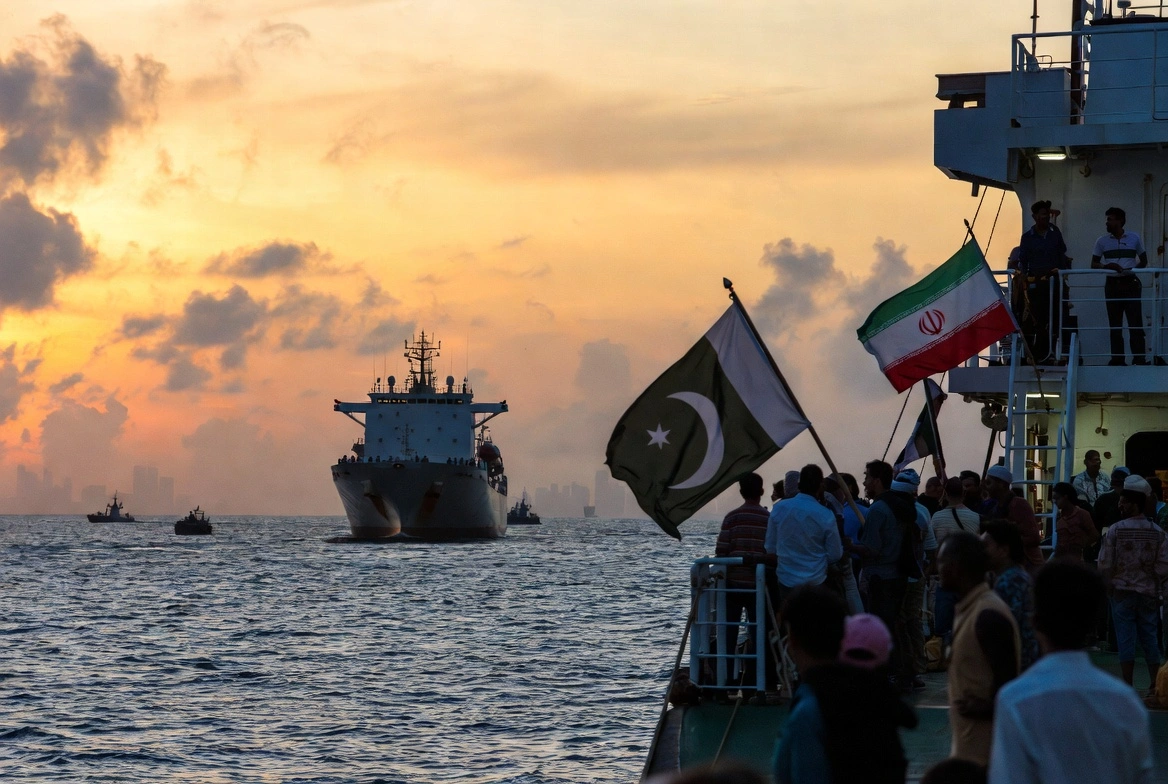
Deputy Prime Minister and Foreign Minister Ishaq Dar has confirmed that Pakistan is working closely with the United States and other international partners to ensure the safe and quick return of its 11 seafarers. These Pakistani nationals, along with 20 Iranian seafarers, were aboard vessels seized by US authorities and are currently positioned near Singaporean waters.
In a detailed update shared on X, DPM Dar explained that Pakistani authorities, through the Foreign Office and other relevant departments, are in constant touch with US officials. The main goal remains the safety, welfare, and earliest repatriation of all affected seafarers. He emphasized that Pakistan is leaving no stone unturned to resolve this matter smoothly.
Ishaq Dar held important telephone conversations on Thursday to speed up the process. He spoke with Singaporean Foreign Minister Vivian Balakrishnan and specifically requested Singapore’s support for the smooth repatriation of the seafarers. The Deputy Prime Minister appreciated Singapore’s positive cooperation in this humanitarian effort.
In a separate call, DPM Dar discussed the situation with Iranian Foreign Minister Abbas Araghchi. Both countries agreed to maintain close coordination. Pakistan has also offered to facilitate the safe return of the Iranian seafarers through its territory if needed, showing strong regional solidarity.
This development comes after vessels were seized in the Strait of Hormuz and Musandam, Oman area. The incident has drawn attention from multiple governments, but Pakistan’s proactive diplomacy is playing a key role in protecting its citizens abroad. Families of the seafarers are anxiously waiting for their loved ones to return home safely.
The Pakistan government continues to monitor the situation round the clock. Officials remain optimistic that with continued international support, the seafarers will be back on Pakistani soil very soon. This case highlights the importance of strong diplomatic channels and rapid response in protecting nationals working in international waters.