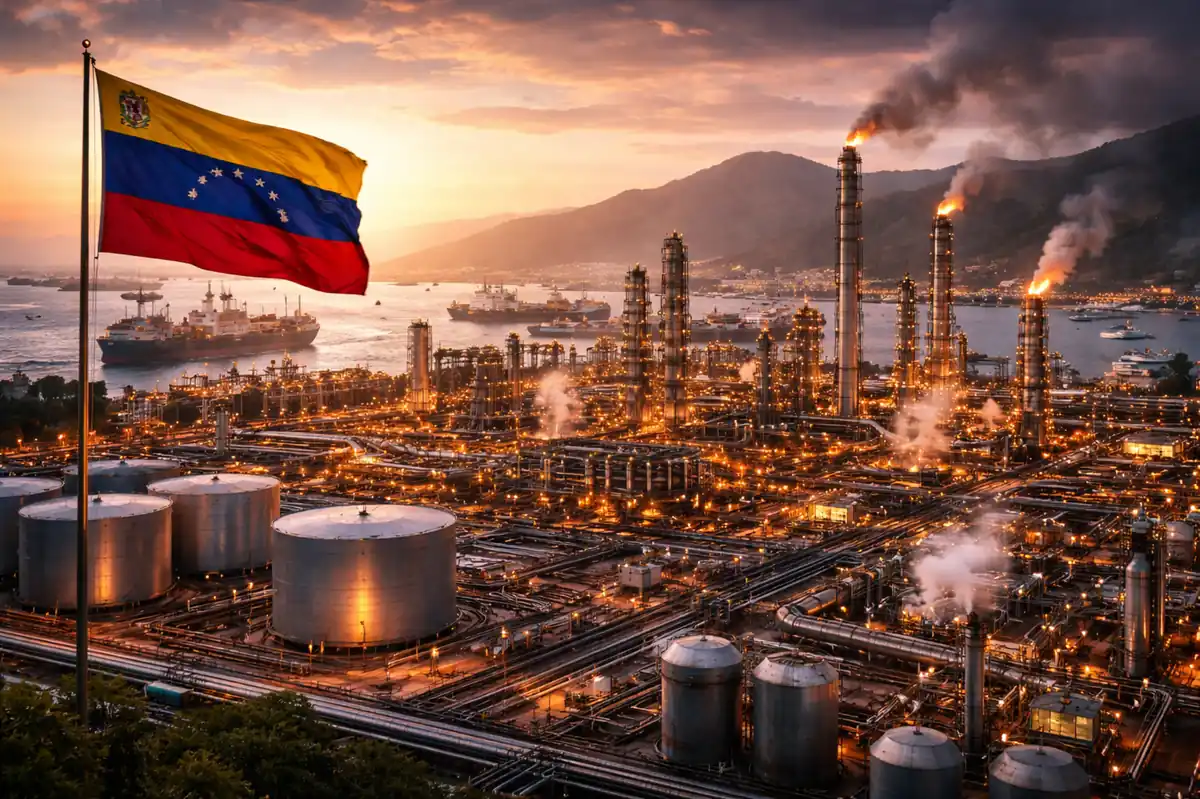

Venezuela oil sanctions were partially eased after the United States approved sweeping changes to Caracas’s energy sector, opening the door for US companies to expand operations following major legal reforms. The decision came shortly after Venezuela’s lawmakers voted to lift long-standing state controls and allow private investment into the oil industry.
Within an hour of the parliamentary vote, the US Treasury Department issued a broad general licence authorising a wide range of oil-related activities. These include the export, sale, transport, storage, and refining of Venezuelan-origin crude. The move effectively allows American energy firms to re-enter the market under fewer restrictions.
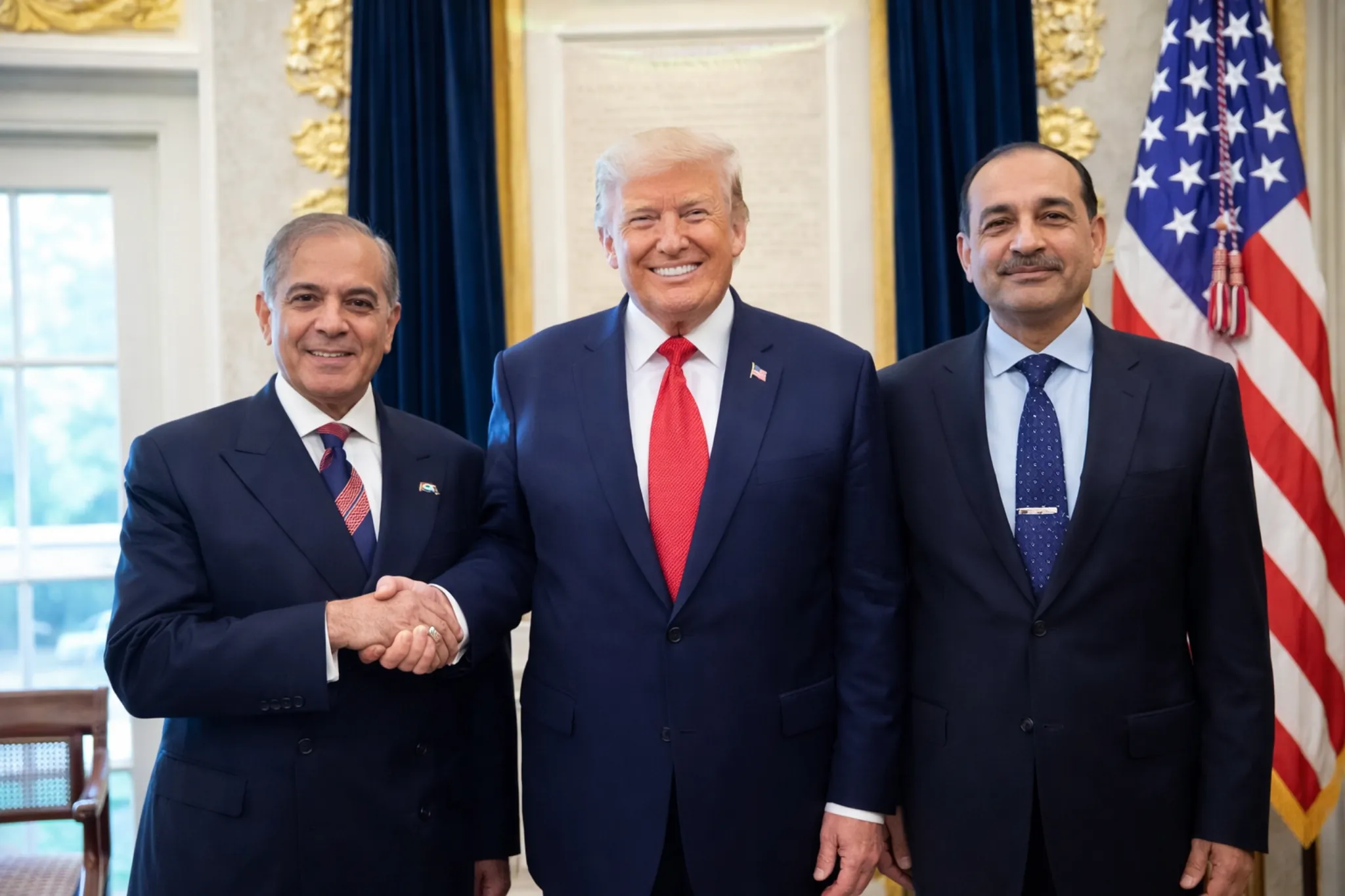
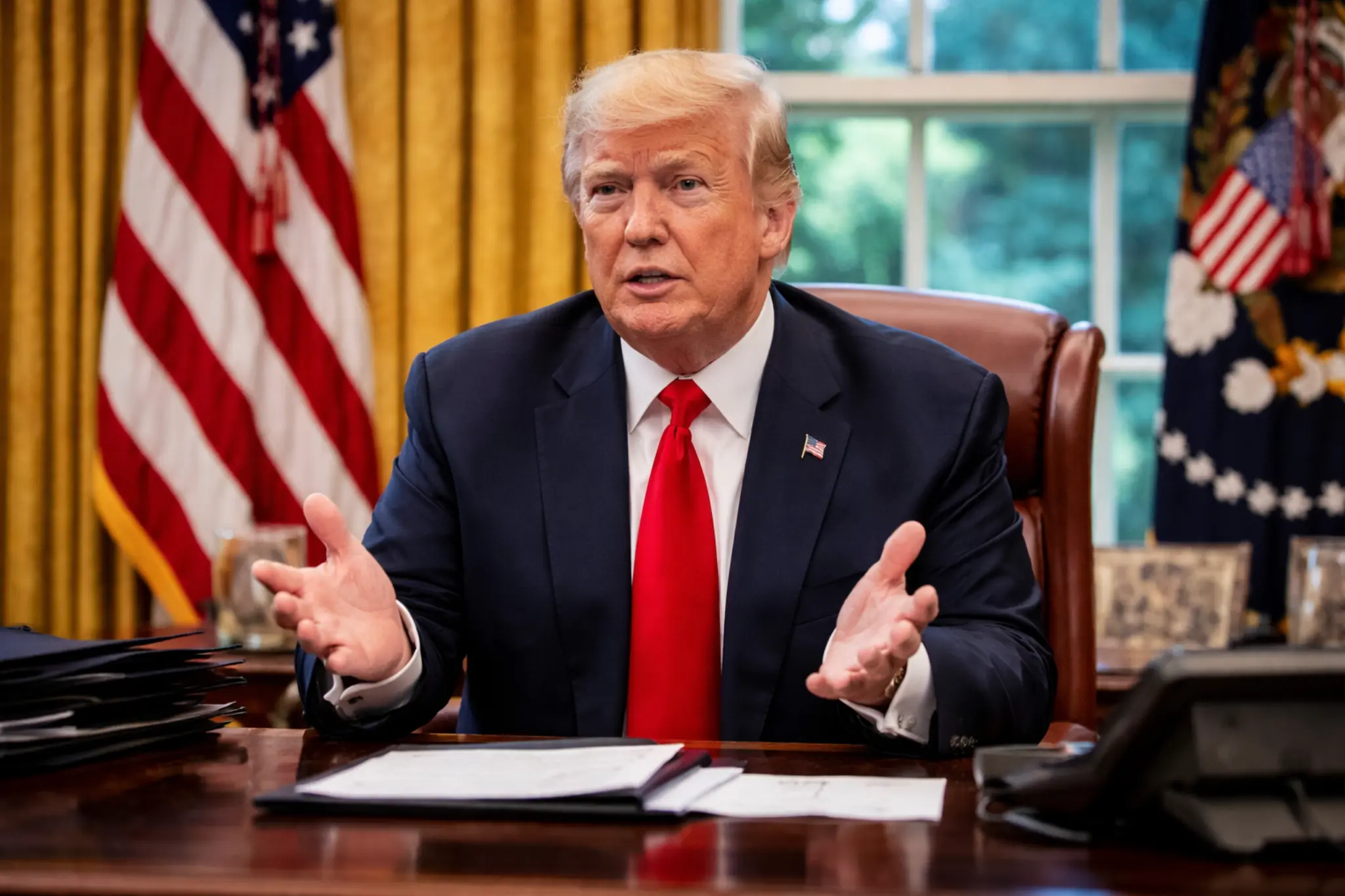
Venezuela’s acting president, Delcy Rodríguez, described the reform as a historic leap, saying the country was taking important steps toward economic recovery. She confirmed holding talks with US President Donald Trump, signalling a sharp shift in relations after years of hostility and sanctions.
The reform dismantles much of the oil framework introduced in 2006, which forced foreign companies into joint ventures with state-owned PDVSA, requiring the government to retain majority control. Under the revised law, private players will gain stronger guarantees, lower taxes, and reduced royalty obligations, while the state relinquishes control over exploration.
Officials say the changes are essential to revive an industry damaged by underinvestment, corruption, and years of sanctions. Venezuela currently produces around 1.2 million barrels per day, a significant improvement from 2020 levels but still far below historic highs. With roughly one-fifth of global oil reserves, the country hopes renewed foreign capital will accelerate recovery.
US officials have already begun planning new development strategies, while Venezuelan leaders say revenues from early crude sales are being used to stabilise the national currency. Industry analysts believe the reforms mark the end of the oil model established under Hugo Chavez, although the state will still retain some oversight in awarding contracts.
For many Venezuelans, the easing of Venezuela’s oil sanctions offers cautious optimism. Workers and officials alike see the reforms as a path toward restoring economic dignity, rebuilding infrastructure, and attracting long-absent global investors.