
The US Iran war has rapidly become one of the most expensive military campaigns in recent years, with early estimates showing billions of dollars already spent in the first week of fighting. Officials from the Trump administration revealed during a confidential congressional briefing that the initial six days of military operations cost at least $11.3 billion.
The figure was shared with lawmakers during a closed door session in the US Senate, as members of Congress demanded more transparency about the scale, cost, and future direction of the conflict. The amount represents only part of the total cost and does not include several additional military expenses that are still being calculated.
At the same time, officials indicated that the White House may soon request an additional $50 billion in emergency funding from Congress to continue military operations. Some lawmakers believe the real cost could be even higher as the war expands and military resources continue to be deployed across the region.
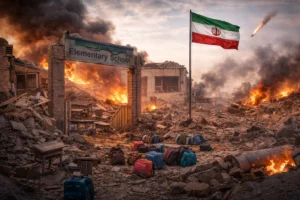
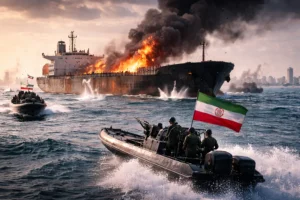
The conflict began on February 28, when the United States and Israel launched coordinated airstrikes against Iranian targets. Since then, the fighting has escalated across multiple locations, including parts of Iran and Lebanon, causing widespread destruction and increasing tensions across the Middle East.
According to administration officials, the Pentagon used approximately $5.6 billion worth of munitions during the first two days of strikes alone. This heavy use of military equipment has raised concerns among lawmakers that US military stockpiles could be significantly depleted, especially at a time when the defense industry is already struggling to keep up with global demand for weapons and ammunition.
President Donald Trump addressed the war during a visit to Kentucky, claiming that the United States had effectively won the conflict but would continue military operations until the mission is fully completed. His remarks have raised further questions in Congress about how long the war might continue and what the long term strategy toward Iran will be.
Meanwhile, several Democratic lawmakers are demanding public testimony under oath from administration officials. They want detailed explanations about the future military strategy, expected costs, and plans for the region once the conflict ends.
As the financial and geopolitical stakes rise, the US Iran war is increasingly becoming both a military and political debate in Washington.