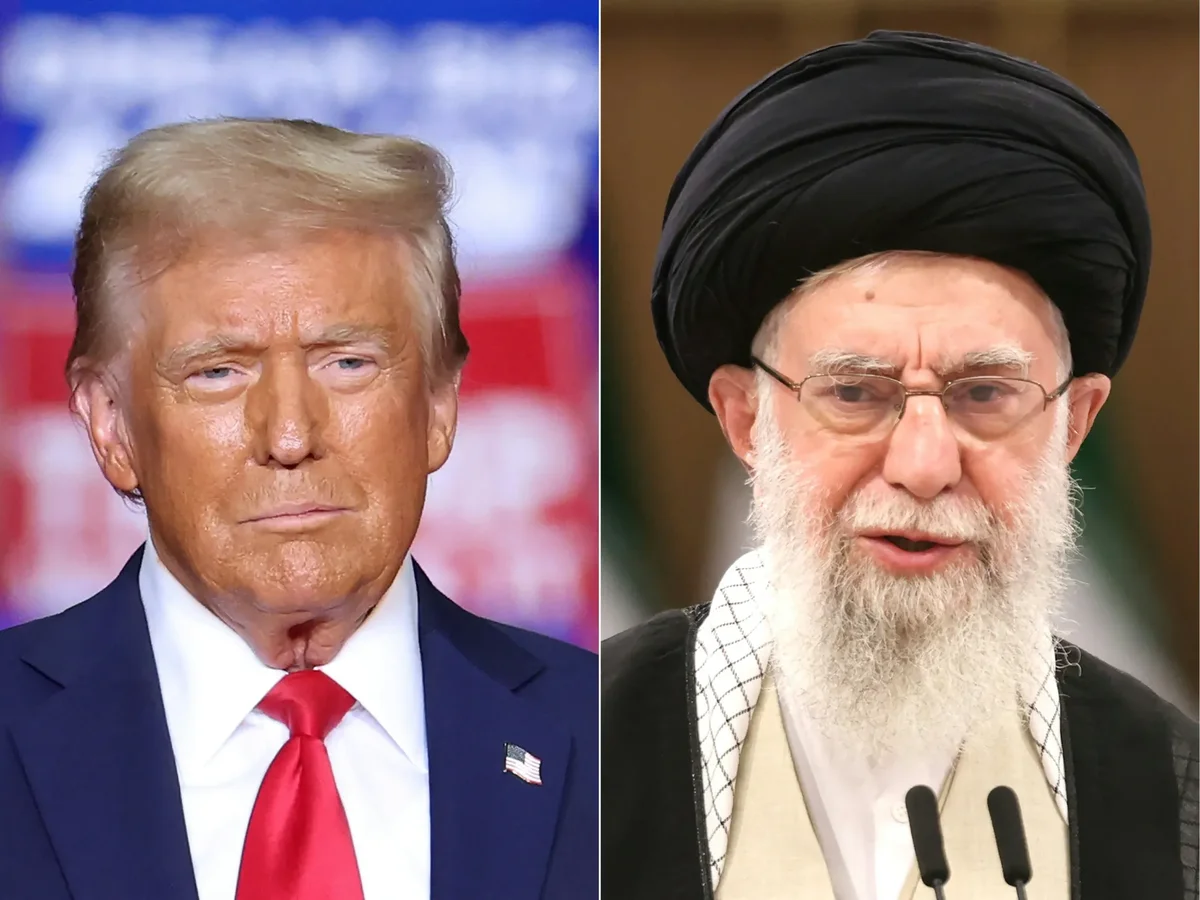

Senior Trump administration officials acknowledged during closed door briefings with congressional staff that there was no intelligence indicating Iran planned to attack US forces first, according to sources familiar with the discussions. The revelation has sparked debate in Washington over the justification for the rapidly expanding conflict.
On Saturday, the United States and Israel launched large scale strikes on Iran, marking one of the most significant military actions in decades. The operation reportedly killed Supreme Leader Ayatollah Ali Khamenei, targeted naval assets, and struck more than 1,000 Iranian sites, including underground missile facilities. Officials described the campaign as necessary to eliminate threats and prevent Iran from developing a nuclear weapon.
However, during Pentagon briefings that lasted more than 90 minutes for both Democratic and Republican congressional staff, officials conceded that while Iran’s ballistic missile program and regional proxy forces posed a serious threat, there was no concrete intelligence suggesting Tehran intended to launch an immediate attack on American forces.
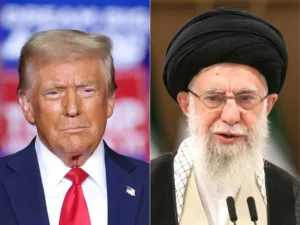
President Donald Trump had previously argued that the strikes were partly driven by concerns that Iran might carry out a preemptive assault on US troops in the Middle East. He stated that he would not allow American forces to absorb attacks without response. Critics now question whether that claim was supported by verified intelligence.
Democrats have labeled the conflict a war of choice, criticizing the administration for abandoning diplomatic efforts. Mediator Oman had indicated that negotiations still held potential, yet the White House proceeded with military action.
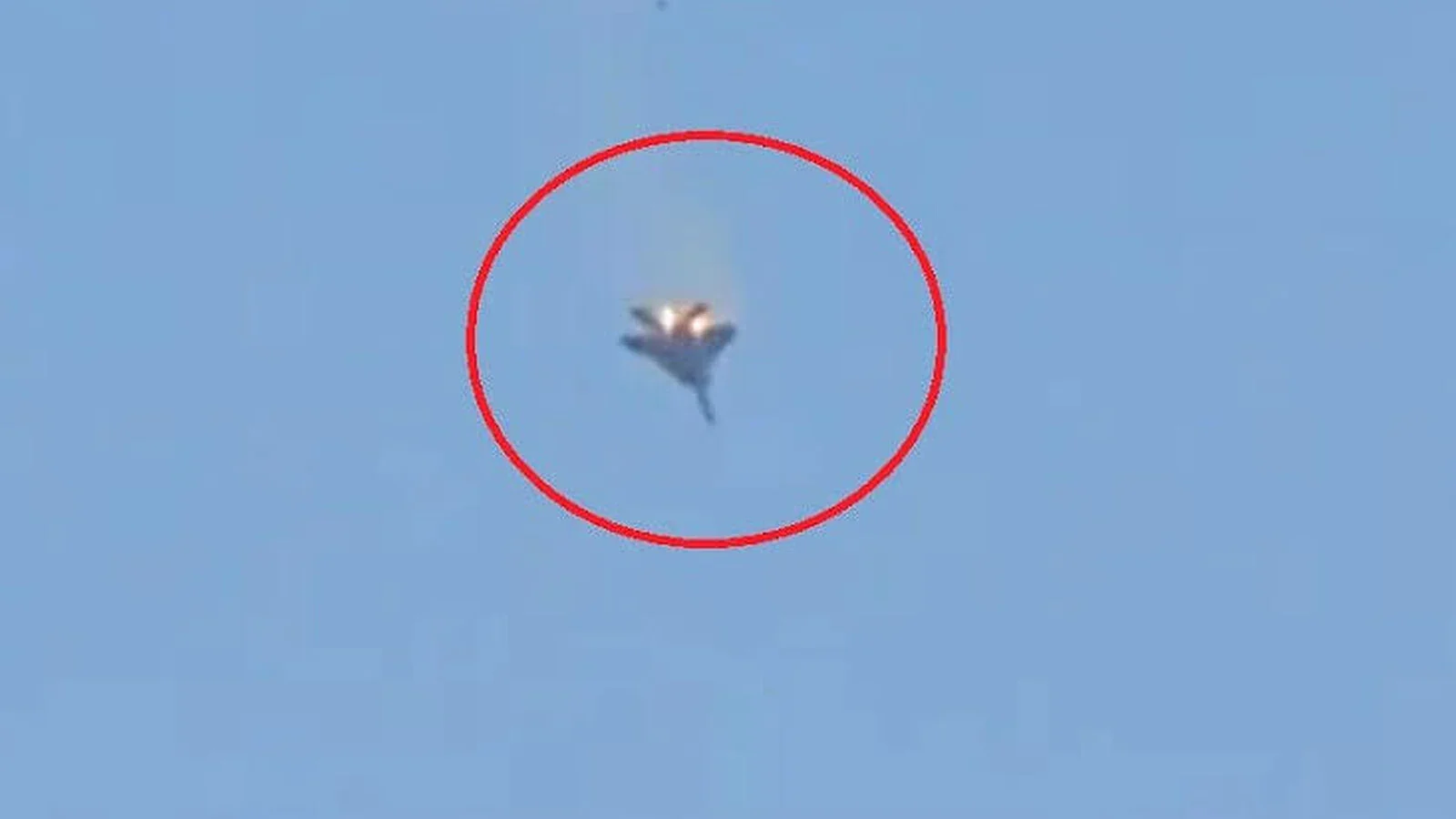
The conflict has already resulted in casualties. Three US troops were killed and five seriously wounded, according to US Central Command. American aircraft, including B 2 stealth bombers, have continued targeting Iranian infrastructure. Meanwhile, a recent poll showed public opinion divided, with more Americans disapproving of the strikes than supporting them.