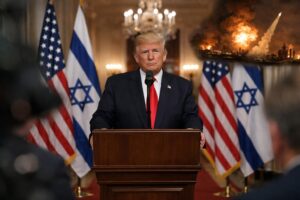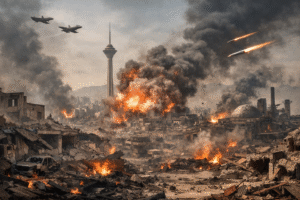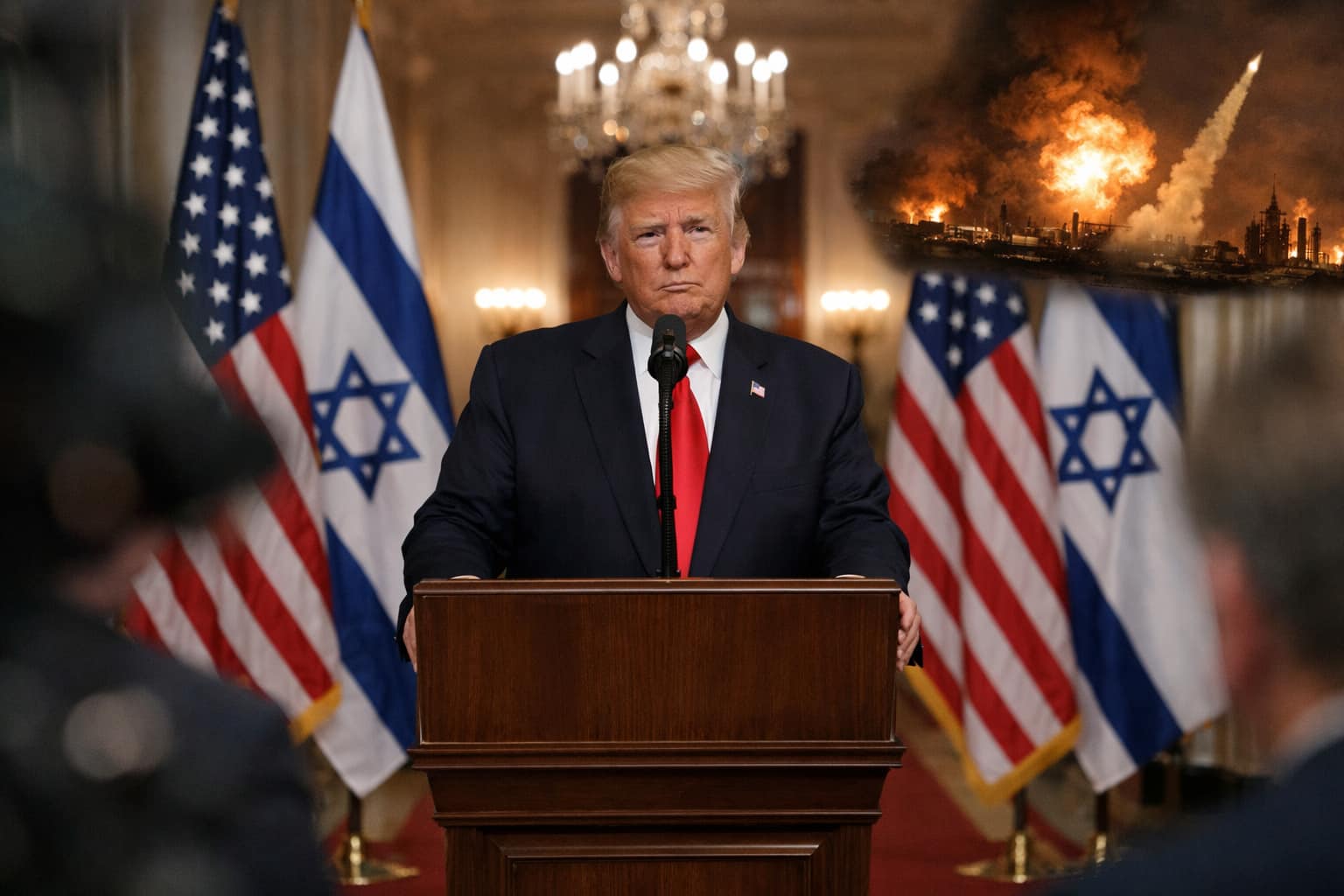

US President Donald Trump delivered a prime-time speech addressing the ongoing US-Israeli war on Iran, but his remarks left many questions unanswered. Speaking from the White House, Trump claimed the US military had nearly completed its mission, yet he continued to issue threats against Iran, including bombing its infrastructure “back to the Stone Age.”
Despite stating that Iran’s navy and air force had been destroyed and its missile and nuclear programs crippled, Trump offered no clear timeline for ending the conflict. He warned that if Iran refused to comply with US demands, further strikes could target its energy and oil facilities.
Trump’s speech came amid rising oil prices, low approval ratings, and growing public concern. His mixed messaging—calling for diplomacy while threatening escalation—has unsettled financial markets and confused the American public. The president also criticized NATO allies for not supporting the war, though he stopped short of announcing a withdrawal from the alliance.
A major point of contention remains the Strait of Hormuz, a vital waterway for global oil shipments. Trump suggested that countries dependent on Gulf oil should take responsibility for reopening it, distancing the US from direct involvement. Analysts warn that Iran could retain control over the strait, posing long-term risks to global energy stability.
Trump also claimed success in preventing Iran from acquiring a nuclear weapon, though intelligence reports indicate that highly enriched uranium remains buried underground. He dismissed concerns, saying US satellites could monitor the area, and ruled out sending ground troops to retrieve the material.
Domestically, Trump’s speech aimed to reassure Americans, but he offered little on economic relief. He blamed Iranian attacks for rising gas prices and downplayed the impact on households. With midterm elections approaching, his approval rating has dropped to 36%, raising concerns within the Republican Party.
While Trump’s address was visually dramatic, his subdued tone and lack of clarity failed to deliver a decisive message. The war’s future—and its political fallout—remains uncertain.