
Tensions between global powers have intensified after the Kremlin firmly rejected claims that Russia or China conducted any secret nuclear tests. The statement came after the United States accused China of carrying out a covert nuclear test in 2020, a charge that Beijing has strongly denied.
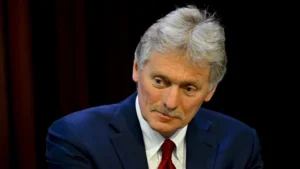
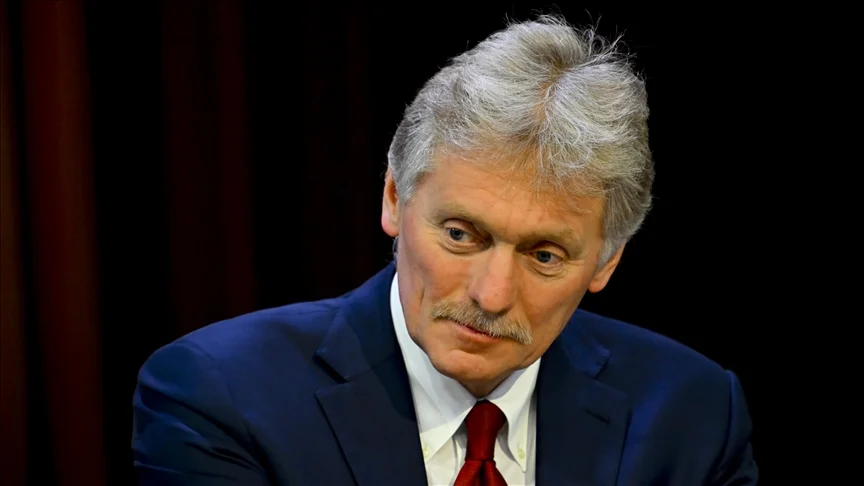
Kremlin spokesperson Dmitry Peskov addressed reporters in Moscow, clearly stating that neither Russia nor China has conducted any nuclear testing. He emphasized that China had already categorically rejected the US allegations, reinforcing Moscow’s position on the matter. According to Peskov, the accusations lack proof and do not reflect the reality of current nuclear policies in both countries.
The controversy arises at a critical time for global arms control efforts. The previous New START treaty, which was the last major nuclear arms agreement between the US and Russia, expired on February 5. The agreement had limited the number of deployed strategic nuclear warheads and played a key role in maintaining strategic stability between the two nations.
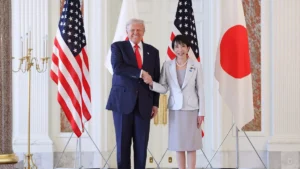
Former US President Donald Trump had urged China to join a broader arms control framework that would include both Washington and Moscow. The US administration argued that China’s growing military capabilities made it necessary for Beijing to be part of future negotiations.
The expiration of New START has raised concerns among several security experts who warn that the world could be heading toward a renewed nuclear arms race. However, some arms control specialists believe these fears may be overstated, suggesting that diplomatic dialogue remains possible despite current tensions.
As geopolitical competition continues, the debate over nuclear transparency and future treaties remains central to international security discussions. The situation highlights the fragile state of global arms control and the urgent need for renewed negotiations among major nuclear powers.