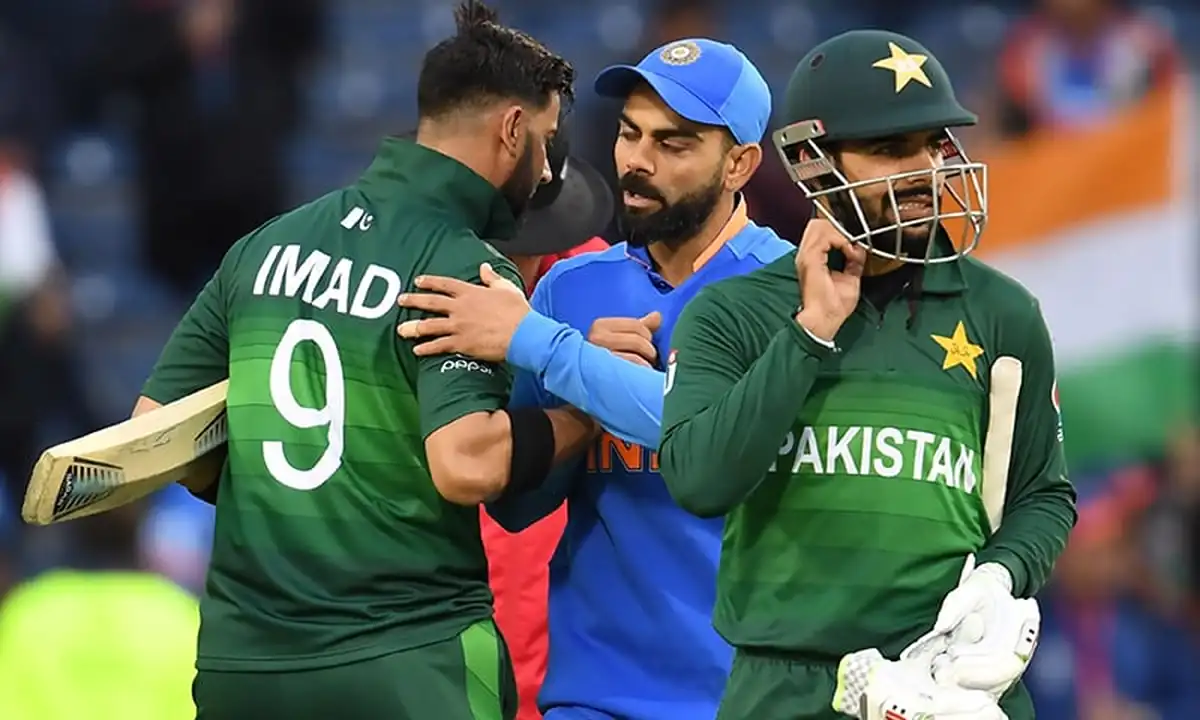

Pakistan has decided to boycott its high-profile match against India in the T20 World Cup 2026, citing concerns over bias and unequal treatment within international cricket governance. While the Pakistan cricket team has been cleared to participate in the tournament, it has been barred from playing the February 15 clash against India, according to government sources.
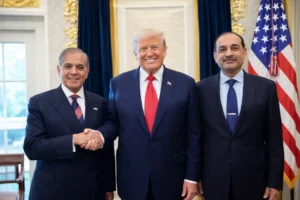
The decision followed a key meeting in Islamabad between Prime Minister Shehbaz Sharif and Pakistan Cricket Board Chairman Mohsin Naqvi. Sources familiar with the discussion said the move was taken as a formal protest rather than a withdrawal from the tournament itself.
At the heart of the controversy is the International Cricket Council, which Pakistan believes has acted unfairly in recent decisions. Officials pointed to the treatment of the Bangladesh Cricket Board as a major trigger. Tensions escalated after Bangladesh fast bowler Mustafizur Rahman was removed from the Indian Premier League on the alleged direction of the Board of Control for Cricket in India. This move caused widespread anger in Dhaka.
Following the incident, Bangladesh requested the ICC to relocate its matches outside India. However, the request was rejected. Soon after, Bangladesh was replaced by Scotland in the tournament, with the ICC stating that schedule changes were not feasible so close to the event’s start. Pakistan views this as a clear example of double standards in decision-making.
Government sources said Pakistan’s action was meant to show solidarity with Bangladesh and to highlight what they called the erosion of justice and equality in global cricket administration. The decision also reflects broader frustration over the growing influence of India in world cricket affairs.
Sources further alleged that ICC chairman Jay Shah has transformed the global body into what they termed an Indian Cricket Council, claiming that recent rulings overwhelmingly favor Indian interests.
By refusing to play the India match, Pakistan aims to register a strong protest while remaining part of the tournament. Officials believe that silence would have implied acceptance of biased governance, something they say Pakistan cannot endorse.
The boycott adds a new political and sporting dimension to the T20 World Cup 2026, with cricket once again intersecting with diplomacy and power dynamics.