
Global oil prices edged slightly lower on Monday as the United States and Iran prepared for a third round of nuclear talks, reducing immediate fears of military conflict. At the same time, uncertainty surrounding President Donald Trump’s tariff measures added pressure to the market, raising concerns about global economic growth and fuel demand.
Brent crude futures declined by 45 cents, or 0.6 percent, settling at $71.31 per barrel. Meanwhile, U.S. West Texas Intermediate crude dropped 42 cents, also 0.6 percent, to $66.06 per barrel. Despite this minor dip, both benchmarks remain close to recent highs after gaining more than 5 percent last week due to geopolitical tensions.
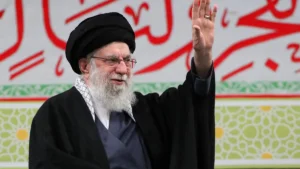
Market analysts believe investors are cautiously watching the upcoming nuclear discussions between Washington and Tehran. Iran has reportedly signaled willingness to make limited concessions on its nuclear program in exchange for sanctions relief and recognition of its uranium enrichment rights. This development has helped cool immediate fears of supply disruption.
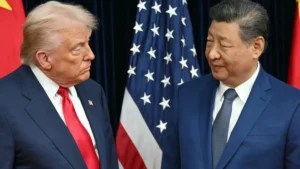
However, new tariff developments in the United States have introduced fresh uncertainty. Following a Supreme Court decision affecting previous tariff policies, President Trump announced plans to temporarily increase import tariffs to 15 percent. Analysts suggest that such trade measures could slow global growth, indirectly weakening energy demand.
Other geopolitical factors, including the ongoing Russia Ukraine conflict, continue to influence price volatility. Financial experts note that while futures prices rose earlier on geopolitical risks, physical oil supply indicators remain stable, suggesting no actual shortage in the market.
Morgan Stanley has adjusted its outlook, projecting Brent crude to average $62.50 per barrel in the second quarter, reflecting expectations of softer demand conditions ahead. Overall, while tensions appear slightly reduced, uncertainty continues to keep the oil market volatile.